
|
|
|
Menu |
Merry Meet and Welcome to The Paganus Website |
|
�Home |
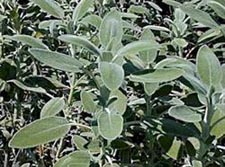
Sage (Salvia officinalis) Common Names: Garden sage, meadow sage, scarlet sage, red sage, saurge, broad-leaved white sage, Salvia salvatrix. Occurrence: Native to the northern Mediterranean and cultivated through Britain, France and Germany. It should be pointed out that the Sage growing wild in North America is not the Salvia of the western herbal pharmacopoeia. Parts used: The leaves, whole herb. The herb contains a volatile oil, tannin and resin and is distilled to produce sage oil. This is made up of salvene, pinene, cineol, vorneol, thujone and some esters. Magick/Lore: Sage is much used to cleanse the thinking process, to rid the mind of negative thoughts. It is a significant Religious Herb among the tribes of North America. Among its properties, it brings one in touch with common sense, a much-needed virtue in the world today. Remedial/Medicinal: Red Sage is the classic remedy for inflammations of the mouth, gums, tongue, throat, and tonsils, an infusion of Sage is a great mouth wash. Sage is used for amenorrhea, dysmenorraghia, and menorrhagia. Sage is one of the best styptics available. A few fresh leaves, lightly worked (chewing is best) and applied to a cut or wound will quickly stop bleeding. The same effect is had with dried Sage. Sage is great for the stomach, calming indigestion, and is also used to prevent onstipation. Sage can also be ised externally for sore muscles as a liniment. Administer as: infusion, essential oil, tea and poultice. Sage is a: stomachic, stimulant, tonic, aromatic, styptic, febrifuge, astringent, antiseptic, emmenagogue, expectorant. |