
|
|
|
Menu |
Merry Meet and Welcome to The Paganus Website |
|
�Home |
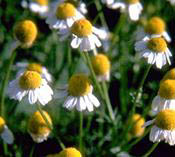
Chamomile (Anthemis nobilis) Common Names: Roman chamomile, English chamomile, double chamomile, manzanilla (Spanish), maythen (Saxon). Occurrence: A low growing plant found wild in the British Isles. Parts used: The flowers and herb. The active princliples therein are a volatile oil, anthemic acid, tannic acid and a glucoside. Magick/Lore: Chamomile has been in use since the most ancient of times. It is found throughout ancient Egyptian medicine where it was dedicated to the Sun God for its curing powers. Musch of its lore comes from the position it can hold within a garden, for it brings health to the other plants in the gardens and is said to cure nearly any plant that it grows next to. It is said even to keep its neighbouring plants free of insects. It has stirred imagaination, due to its dependable healing powers, and attracted such diverse names a 'Whig Plant', and 'Plants Physician'. Current practice includes use as a Religious Herb. Remedial/Medicinal: Chamomile has a powerful soothing and sedative effect which is harmless. The aroma of Chamomile also has relaxing, sedative-like properties. The oil eases anger, restlessness and impatience. Chamomile is useful in the treatment of aches and pains especially to sooth pains in the head (toothache, easrache etc.) and in muscles and joints, and it is also used for indigestion, upset stomach, menstrual cramps, an anti-inflammatory, and antispasmodic. It's tea is often used to combat insomnia. Chamomile tea hair rinses are still quite popular to accentuate natural blonde highlights, and commercially it's found in bath and skin lotions. Chamomile's oil will repell flies and other pests, and it's a natural disinfectant. Administer as: decoction, infusion, fluid extract and essential oil. Chamomile is a: stomachic, tonic, anodyne, sedative, nervine, astringent, antispasmodic. |