Your Virtual Guide to Flyfishing Arkansas' Blue-ribbon Trout Waters
Local Entomology
Arkansas' trout waters are blessed with abundant supplies of insects, both aquatic and terrestrial. May flies, caddis flies, and midges spend part of their lives as aquatic creatures and part of their lives as flying insects. Other aquatic creatures fed on heavily by Arkansas trout include sowbugs, scuds, crayfish, aquatic worms, minnows and sculpins. During the summer, trout will also feed on terrestrials such as grasshoppers, ants, and tent worms. The following is a rundown of the most common natural trout foods and the flies Arkansas anglers use to imitate them.
Sowbugs
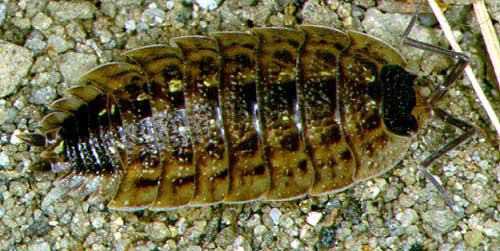 These little guys are common in all trout waters and are probably fed on more than any other trout food. They range in color from light gray to tan to dark brown, and could be anywhere from size 18 to about size 12. You can find them in rocky areas by simply picking up stones from the stream bed and turning them over. Select an imitation that most resembles the naturals to increase your odds of catching fish. Trout feed on these all year. These little guys are common in all trout waters and are probably fed on more than any other trout food. They range in color from light gray to tan to dark brown, and could be anywhere from size 18 to about size 12. You can find them in rocky areas by simply picking up stones from the stream bed and turning them over. Select an imitation that most resembles the naturals to increase your odds of catching fish. Trout feed on these all year.
Imitations
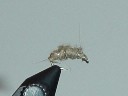
Simple Sowbug
 |
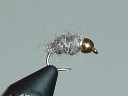
Bead-head sowbug
 |
Nymphs
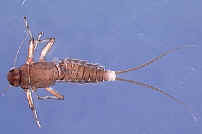 Another common food for Arkansas trout are the abundant mayfly nymphs. These creatures spend most of their lives crawling along the rocks feeding on algae, where they are vulnerable to the trout. As they get swept off the bottom and carried along in the currents, hungry trout take advantage of the easy meals. The most common in Arkansas are March browns, Cahills, and Blue-winged Olives. They too can be found clinging to the stones along the stream beds. Trout will feed on these all year. Another common food for Arkansas trout are the abundant mayfly nymphs. These creatures spend most of their lives crawling along the rocks feeding on algae, where they are vulnerable to the trout. As they get swept off the bottom and carried along in the currents, hungry trout take advantage of the easy meals. The most common in Arkansas are March browns, Cahills, and Blue-winged Olives. They too can be found clinging to the stones along the stream beds. Trout will feed on these all year.
Imitations
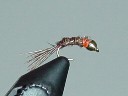
Bead-head Pheasant tail
 |
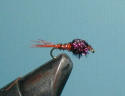
Pheasant tail
 |
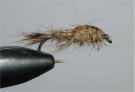
Hare's ear
 |
Bead-head Hare's ear
 |
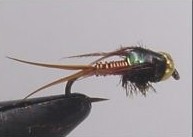
Copper John
 |
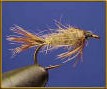
March Brown Nymph
 |
Midges
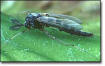 Midges, midges, midges. At times, Arkansas trout will get so keyed in on these tiny morsels, that they virtually ignore everything else in the water. If you can successfully match the hatch, you will be rewarded with many spectacular surface takes. On the other hand, if you find yourself without a reasonable imitation of the particular species of midge they are feeding on at the time (there are thousands of species), it will frustrate even the most perseverant of anglers. Most midges in Arkansas will range from about size 18 down to thirty something. (I never fish anything smaller than 24's- if they won't take that, I'm goin' to the house!) Imitations tied in black, olive, grey, or cream will most often yield some results. Midges, midges, midges. At times, Arkansas trout will get so keyed in on these tiny morsels, that they virtually ignore everything else in the water. If you can successfully match the hatch, you will be rewarded with many spectacular surface takes. On the other hand, if you find yourself without a reasonable imitation of the particular species of midge they are feeding on at the time (there are thousands of species), it will frustrate even the most perseverant of anglers. Most midges in Arkansas will range from about size 18 down to thirty something. (I never fish anything smaller than 24's- if they won't take that, I'm goin' to the house!) Imitations tied in black, olive, grey, or cream will most often yield some results. 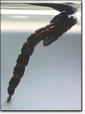 Often times trout appear to be taking adults off the surface when they are actually feeding just inches below on the emerging pupas trapped in the surface film. A good way to tell whether they are taking adults or emergers is to look for a bubble after the fish rises. If a fish takes an adult from the surface, it will usually leave a small bubble floating behind. If he leaves no bubble, then chances are a pupa would be the better choice of fly. Often times trout appear to be taking adults off the surface when they are actually feeding just inches below on the emerging pupas trapped in the surface film. A good way to tell whether they are taking adults or emergers is to look for a bubble after the fish rises. If a fish takes an adult from the surface, it will usually leave a small bubble floating behind. If he leaves no bubble, then chances are a pupa would be the better choice of fly.
Adult Imitations
Midge(generic)
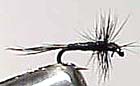 |
Griffith's gnat
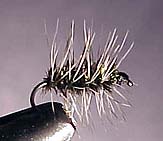 |
Pupa Imitations
Jennifer's Midge
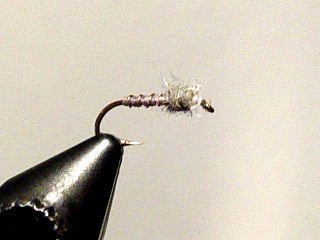 |
Candy's Midge
 |
WD-40
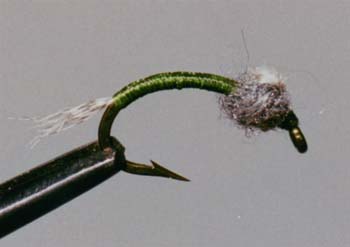 |
Mayflies
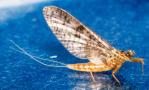 Mayflies are, without a doubt, the classic icon for fly anglers everywhere. Fly tiers have spent hundreds of years crafting tiny clones of these "respectable" bugs, and Arkansas tail-waters are home to several species of these trout delicacies. We see annual hatches of March Browns, Light Cahills, Sulphurs, and Blue-winged Olives, with the latter probably being the most abundant. The springtime gives rise to March Browns and Cahills, followed by a small number of Sulphurs in early summer. Mayflies are, without a doubt, the classic icon for fly anglers everywhere. Fly tiers have spent hundreds of years crafting tiny clones of these "respectable" bugs, and Arkansas tail-waters are home to several species of these trout delicacies. We see annual hatches of March Browns, Light Cahills, Sulphurs, and Blue-winged Olives, with the latter probably being the most abundant. The springtime gives rise to March Browns and Cahills, followed by a small number of Sulphurs in early summer.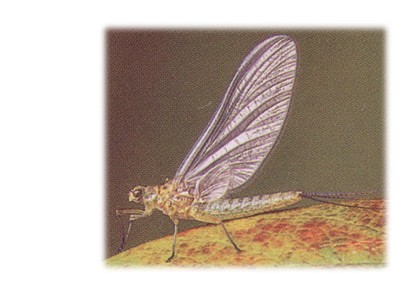 Blue-winged Olives start appearing in mid to late summer and hatch in strong numbers through the fall and into the early winter. Many novice anglers will mistake the tiny BWOs (which rarely get larger than size 18) for midges, and consequently miss out on some great dry-fly fishing. Blue-winged Olives start appearing in mid to late summer and hatch in strong numbers through the fall and into the early winter. Many novice anglers will mistake the tiny BWOs (which rarely get larger than size 18) for midges, and consequently miss out on some great dry-fly fishing.
Imitations
March Brown
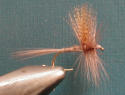 |
Light Cahill
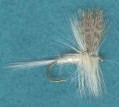 |
BWO (parachute)
 |
Sulphur
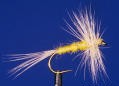 |
Parachute Adam's
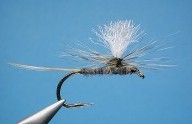 |
Adam's(traditional)
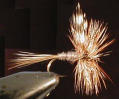 |
Emergers
Partridge and Orange
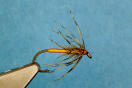 |
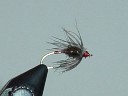
Red Ass
 |
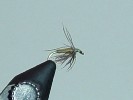
BWO Emerger
 |
Caddis Flies
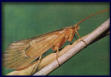 Beginning in late March and extending through about mid May, strong numbers of Caddis Flies hatch, creating a bonanza for Arkansas trout. Like May flies and midges, Caddis flies spend most of there lives under water. As larvae, these guys build little protective cases out of small gravel or particles of wood in which to live. They can be found clinging to rocks and limbs that lay on the stream bottom. When it becomes time to hatch, they crawl out of their cases and quickly swim to the surface. Once on top, they waste little time shedding their skin and flying away. Trout can sometimes be seen jumping out of the water in an effort to catch the fleeing adults. Most common colors for caddis flies are tan or olive bodies with light tan wings, but there is a small number of black caddises that hatch in the summer. They are usually about a size 18 or 20. There are plenty of caddis imitations on the market but nothing beats the old standard. I like to use one of each color for the adults and simple bead-head pattern for the larvae. Beginning in late March and extending through about mid May, strong numbers of Caddis Flies hatch, creating a bonanza for Arkansas trout. Like May flies and midges, Caddis flies spend most of there lives under water. As larvae, these guys build little protective cases out of small gravel or particles of wood in which to live. They can be found clinging to rocks and limbs that lay on the stream bottom. When it becomes time to hatch, they crawl out of their cases and quickly swim to the surface. Once on top, they waste little time shedding their skin and flying away. Trout can sometimes be seen jumping out of the water in an effort to catch the fleeing adults. Most common colors for caddis flies are tan or olive bodies with light tan wings, but there is a small number of black caddises that hatch in the summer. They are usually about a size 18 or 20. There are plenty of caddis imitations on the market but nothing beats the old standard. I like to use one of each color for the adults and simple bead-head pattern for the larvae.
Imitations
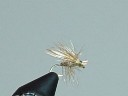
Elk Hair Caddis
 |
Bead-head Caddis Larvae
 |
Terrestrials
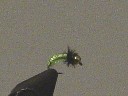
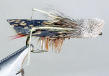
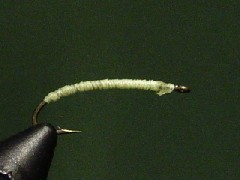
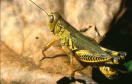 Another food source for trout in Arkansas are terrestrials. Grass hoppers, ants, tent worms, catalpa worms, beetles, and leaf hoppers sometimes find themselves in the water and are readily devoured by opportunistic trout. Although these insects are not necessarily a staple of the trout's diet, imitations of these unlucky bugs can sometimes produce splashy strikes, especially from larger fish. During hot summer days, I'll often use a Dave's Hopper as a strike indicator with a pheasant-tail or sowbug suspended below. The hopper doesn't get very many hits, but the one's it does get are quite exiting. Stream-side vegetation is often covered with tiny green leaf hoppers, and the fish that have developed a taste for them will sometimes take a size 20 Elk-hair caddis tied with chartreuse green materials. A simple pattern of lime-green thread wrapped around the entire length of a size 18 light-wire hook Another food source for trout in Arkansas are terrestrials. Grass hoppers, ants, tent worms, catalpa worms, beetles, and leaf hoppers sometimes find themselves in the water and are readily devoured by opportunistic trout. Although these insects are not necessarily a staple of the trout's diet, imitations of these unlucky bugs can sometimes produce splashy strikes, especially from larger fish. During hot summer days, I'll often use a Dave's Hopper as a strike indicator with a pheasant-tail or sowbug suspended below. The hopper doesn't get very many hits, but the one's it does get are quite exiting. Stream-side vegetation is often covered with tiny green leaf hoppers, and the fish that have developed a taste for them will sometimes take a size 20 Elk-hair caddis tied with chartreuse green materials. A simple pattern of lime-green thread wrapped around the entire length of a size 18 light-wire hook 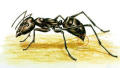 and covered with floatant is a decent replica of the little green tent worm that sometimes drop from overhanging trees. Also try a black foam ant pattern if you notice an abundance of ants in the surface film, and rising fish. Throwing terrestrials is a nice diversion from the usual battery of traditional trout flies and can get you some memorable catches on a hot summer day. and covered with floatant is a decent replica of the little green tent worm that sometimes drop from overhanging trees. Also try a black foam ant pattern if you notice an abundance of ants in the surface film, and rising fish. Throwing terrestrials is a nice diversion from the usual battery of traditional trout flies and can get you some memorable catches on a hot summer day.
Imitations
Dave's Hopper
 |
Foam ant
 |
Inch worm
 |
Eggs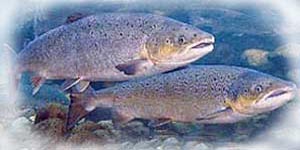 Each fall beginning in about mid-October, thousands of mature Browns migrate up-river to the gentle riffle where they were born. Male Browns dressed in their vibrant spawning colors leap out of the water and dorsal fins as big as your hand can be seen "sharking" through ankle deep water as they compete for the best spawning site, and for the best females. Making a rare shallow water appearance, some of the largest and oldest trout in the river are caught and released each year. Sadly, many fish do not survive the ordeal of being hooked, landed, measured, and photographed. After the spawning run, deeper holes downstream from the redds are littered with those that didn't survive. After seeing this Each fall beginning in about mid-October, thousands of mature Browns migrate up-river to the gentle riffle where they were born. Male Browns dressed in their vibrant spawning colors leap out of the water and dorsal fins as big as your hand can be seen "sharking" through ankle deep water as they compete for the best spawning site, and for the best females. Making a rare shallow water appearance, some of the largest and oldest trout in the river are caught and released each year. Sadly, many fish do not survive the ordeal of being hooked, landed, measured, and photographed. After the spawning run, deeper holes downstream from the redds are littered with those that didn't survive. After seeing this 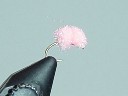 myself for the first time, I made a personal decision to leave spawners alone. However, while I do not personally endorse fishing for spawners, I do enjoy fishing below them for the pre-spawn males and opportunistic rainbows who will quickly gobble up any loose roe that gets swept away in the current. myself for the first time, I made a personal decision to leave spawners alone. However, while I do not personally endorse fishing for spawners, I do enjoy fishing below them for the pre-spawn males and opportunistic rainbows who will quickly gobble up any loose roe that gets swept away in the current.
Other Aquatics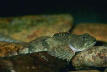 There are a number of other aquatic creatures that a trout will also eat. These include sculpins, There are a number of other aquatic creatures that a trout will also eat. These include sculpins,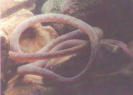 minnows, crayfish, aquatic worms, and even shad that die annually each winter in the lake above and get pulled through the dam. Below are some of the fly patterns that imitate these creatures. minnows, crayfish, aquatic worms, and even shad that die annually each winter in the lake above and get pulled through the dam. Below are some of the fly patterns that imitate these creatures.
Imitations
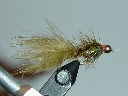
Woolly-bugger
 |
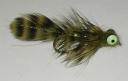
Near-nuff Sculpin
 |
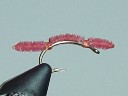
San Juan Worm
 |
|
This page is still under construction so check back often, new content is being added regularly.
Website created and maintained by:
Paul Wright
[email protected]
|