Deciding on a Place to Live
There comes a moment in every person's life, when he or she must decide on a place to live. The first time this occurs is when a teenager embarks on their path to adulthood by moving away from home. Besides leaving home for the first time, there are many other life changing moments when a person must decide where to live such as starting a job in a new area, having recently been married, or needing more habitable space for a growing family. While there are many living options to choose from, the two options that frequently are decided on is whether or not to rent an apartment or buy a house. The decision on whether or not to rent an apartment or buy a house involves many factors to take into consideration including the amount of time spent living in a certain area, amount of habitable space required, amount of capital needed, and the prospect of possible tax incentives.
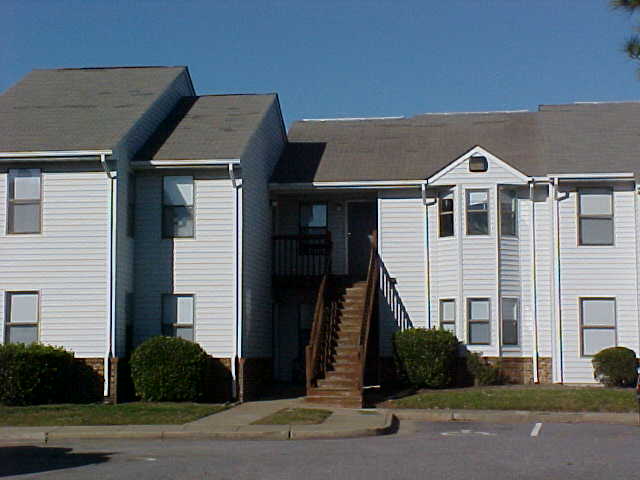
Deciding to rent an apartment as opposed to buying a house is an ideal choice for a person who does not foresee living in a particular area for any length of time. Apartments are located practically everywhere; with the largest congregation located in and around cities. Apartment complexes offer a variety of different floor plans to suit a renter's needs. These floor plans can range from a small one bedroom or “efficient model” to four-bedroom plan or “luxury model”. In addition to a variety of floor plans, apartments offer certain amenities to attract potential renters. These amenities may include any or all of the following: free basic cable and internet hook-ups, a recreation center with a gym, tennis courts, and a pool, a day care center, laundry facilities on-site or washer and dryer hook-ups, weekly landscaping service, and an on-site maintenance staff to fix any repairs that may be needed. With all of these amenities included, the rent tends to be quite expensive, thus being comparable with that of a house payment. The apartment complex often pays for certain utilities such as water and sewage. It is the renter's responsibility to pay for their own electricity, phone, and in some areas: natural gas usage. Before moving into an apartment, a renter must sign a lease and provide a security deposit. The lease is a year-long, binding contract between the renter and the landlord that states that the renter will rent an apartment from the landlord for the length of one year and pay the agreed upon rent monthly. The security deposit provided by the renter, ranging from half the amount of the rent to the full amount, is a guarantee that the renter will have an apartment to move into during a certain time frame. Additionally, the security deposit also provides insurance to the landlord against any damage to the apartment done by the renter. At the end of the lease, if the apartment shows no signs of damage, the security deposit is returned to the renter. Since rent is paid to the landlord, a renter can not receive any tax incentives. The landlord, however, is able to receive tax incentives for all the apartment complexes that he or she owns.
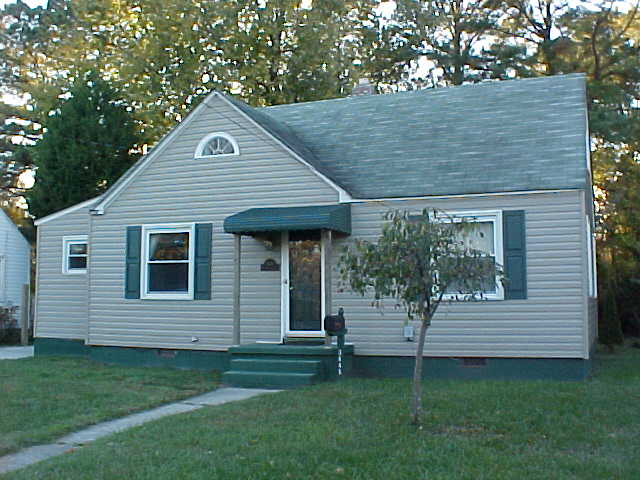
The decision to buy a house, on the other hand, is made by people who plan to live in a particular area for an extended period of time, possibly the rest of their life. Houses are built in a number of different models. These models can range from tiny one-two bedroom houses or “bungalows” to massive four-five bedroom mansions. Houses can be built as a one story or “ranch” style, a two story or “cape cod” style, or a multiple floor style. Buying a house can be a huge undertaking, even stressful for some. Whereas an apartment has a landlord in charge of maintaining the maintenance and upkeep of an apartment, a homeowner is responsible in overseeing the maintenance and upkeep of their home. This includes any and all repairs that are occasionally needed due to age such as patching a leaky roof or having to replace the heating and cooling system. A person who decides to buy a house must have a good credit rating, and available capital for various fees that are needed during the closing process such as home inspections, and home and property assessments. There are certain ways to ease the financial burden to buying a house. The buyer may request that the seller pay for the closing costs during the bidding phase. At the very least, a buyer may only pay about three hundred dollars for an inspection on the property. A home inspection is one of the most important tools a buyer has in the process. The home inspection is a way for the buyer to discover if there are any problems in the house, such as structural damage. If the inspection uncovers any problems, the buyer can insist that the seller fix the problems or lower the selling price. Another important tool that the buyer has is the house and property assessment. The house and property assessment is performed by the company that the buyer has enlisted to finance the mortgage. If the assessment falls below the asking price of the house, the seller must lower the price to that amount; however, if the assessment comes back higher than the selling price the seller may raise the asking price. Not only does a buying a house provide many tax incentives, it is a financial investment that will only increase in value as you own it.
While there are many reasons to either rent an apartment or buy a house, a person must take into consideration both the positive and negative factors that these two living options may present to them. Once a person finally decides on an adequate living option, they are ready to being a new phase in their lives: Having a place to live to call their own.
|