 |
Titchfield
Canal
Solent The second oldest
canal in the country
|
Solent Landmarks Map Hillhead Harbour Titchfield Haven Sea Lock
| A
waterway of questions?
Despite being a major engineering work for its time this canal offers many questions for local historians.
|
 n n
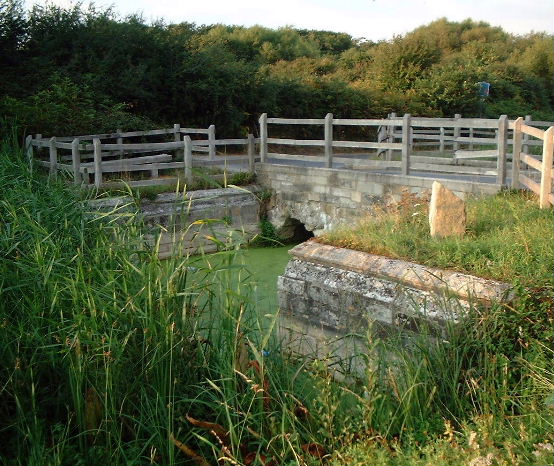
The Reconstructed sea lock. Autumn 2001 |
|||
| Cargo
. No records exists of cargo carried and today it is hard to visualise how the construction of a waterway to Titchfield could be justified. But, a Tannery and
a large Corn mill near existed in the village and upstream at Fontley was
located an important iron works. All these industries could have provided
the bulk cargoes for the Canal.
|
Prior to this canals construction Titchfield was a busy port situated two miles up the Meon Estuary. This changed in 1611 when the Third Earl of Southampton built a dike across the entrance to the River Meon Cutting it off from the Sea. To the West of the river the Earl had Canal built, this was only the second Canal to be built in Britain the first being the Exeter ship Canal. The reason for construction this major engineering work is not fully known. A possibility exists that the estuary was silting up and the Canal succeeded to keep Navigation open. Some local inhabitants considered that the Canal was only built to provide the Earl with more agriculture and hunting ground at a cost of their free access to the sea. The feeling against the Earl was so high that at an effigy was burnt of him every year at a bonfire in Titchfield. Even today the group that organises the annual carnival is called the bonfire boys, a memory of the hatred that the canal caused against the local landlord. Little is known about the period of the Canals operation. The waterway appears too narrow to accommodate any seagoing ships and no turning basin exists at Titchfield. If indeed the canal was used for Navigation it has been suggested that small tub barges may have been used. The sea lock was a simple staunch lock giving access for vessels at high water only. No records of cargo tonnage's carried exists some consider the waterway was only used for irrigation and providing sporting ground. There is no doubt that the flood plain created by the dike and canal became valuable agricultural land and a rich area for wildfowl hunting. Mystery also surrounds the closure of the canal Some authors state the Canal was closed within 100 years of opening and others in the 1870's. The entrance became blocked by shingle movements and trade declined as a result of improvements in local roads. Whatever the facts are behind
the history of the Canal the habitat created by its construction forms
a valuable asset as a nature reserve.
|
|||
| Access
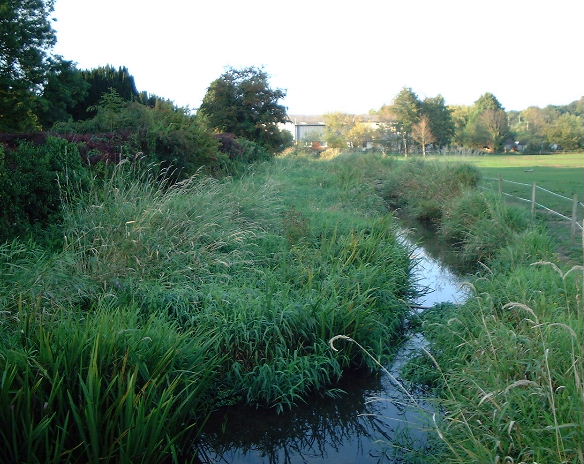
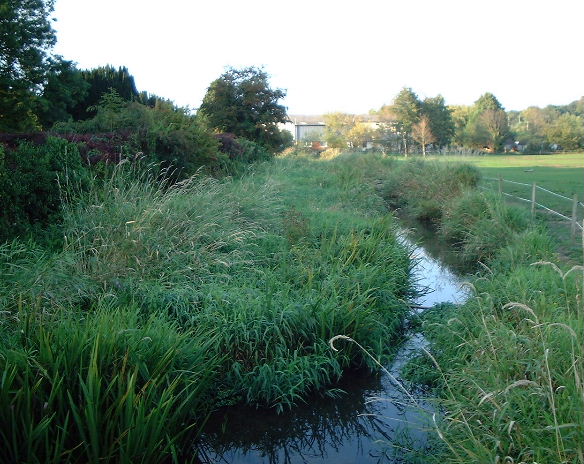
The towpath of the Canal forms an excellent footpath from the Solent way at Meon Shore to the village of Titchfield. Near its seaward end the reconstructed sea lock can be seen and its route passes through the meadows of the Nature reserve. Titchfield village offers several Public houses of historic character for refreshment and the walk can be continued to the remains of Titchfield abbey. |
 |
|||
| References
Titchfields canal;ken davies:cpc publications The Birds of Titchfield Haven:Barry Duffin Information boards. Exploring Hampshire's coast:Hampshire Recreation The Solent Shore:Hampshire Recreation |
Other TeamManley
Transport history related pages
|