MY 11 TRISECTION APPROXIMATION METHODS Pg. 90
|
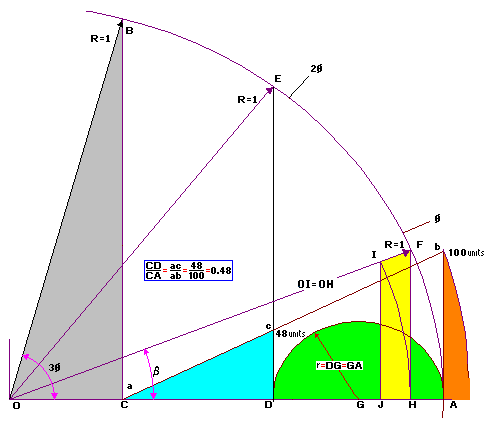
FIG. 17
|
|---|
|
1.
|
Draw any suitable straight line OA and draw a quarter arc with
|
|---|
|
|
|
|---|
|
|
center pt O and radius R = OA = 1 unit, see FIG. 17 above.
|
|---|
|
|
|
|---|
|
2.
|
Draw a line OB = R = 1 unit so that ÐBOA = 3Æ, see FIG. 17.
|
|---|
|
|
|
|---|
|
3.
|
Drop a perpendicular from pt B to meet line OCA at pt C, as
|
|---|
|
| Pg. 91
|
|---|
|
|
shown in FIG. 17. [OC/OB = OC/R = OC/1 = OC = a = cos3Æ]
|
|---|
|
|
|
|---|
|
4.
|
Divide line CDA
so that lengths CD/CA = 0.48
|
|---|
|
|
|
|---|
|
|
NOTE:
|
|
|
|---|
|
|
see FACTOR TABLE
below for ÐBOA = 3Æ = 75°.[ac = 0.52]
|
|---|
|
|
|
|---|
|
|
I used ac = 0.48 to induce enough of an error to display all
|
|---|
|
|
|
|---|
|
|
my figures FIG. 17 through FIG. 23.
|
|---|
|
|
|
|---|
|
4.
|
a. With center pt C (pt a) and a suitable 100 unit radius just
|
|---|
|
|
|
|---|
|
4.
|
larger than CA draw an arc to
cut a perpendicular, extended
|
|---|
|
|
|
|---|
|
4.
|
up from pt A to the intersection pt b on line acb, see FIG. 17.
|
|---|
|
|
|
|---|
|
4.
|
b. Join pts a & b with a straight line, as shown in FIG. 17.
|
|---|
|
|
|
|---|
|
4.
|
c. Locate pt c on line acb, so that ac = 48 units.
|
|---|
|
|
|
|---|
|
4.
|
d. Drop a perpendicular from pt c to meet line ODA at pt D and
|
|---|
|
|
|
|---|
|
4.
|
extend line Dc up to cut arc BEA at pt E.
|
|---|
|
| Pg. 92
|
|---|
|
4.
|
[OD/OE=OD/R=OD/1=OD=cos2b & 2b = ÐEOA = cos-1OD & b'= ÐBOE = (3Æ - 2b)]
|
|---|
|
|
|
|---|
|
4.
|
e. In similar 'right angled' DCDc & DCAb:
|
|---|
|
|
|
|---|
|
4.
|
ÐbCA is common,
thus sides CD/CA = ac/ab = 48/100 = 0.48
|
|---|
|
|
|
|---|
|
5.
|
Duplicate ÐBOE = b' = 3Æ - 2b on line OA:
|
|---|
|
|
|
|---|
|
5.
|
a. with center pt A and radius length BE draw an arc to cut
|
|---|
|
|
|
|---|
|
5.
|
thearc BEFA at pt F above pt A, as shown in FIG. 17 above.
|
|---|
|
|
|
|---|
|
5.
|
b. Join pts F & O with a straight line, see FIG. 17.
|
|---|
|
|
|
|---|
|
5.
|
[Equal arcs and chords subtend the same angle
at the center of the circle - theorem]
|
|---|
|
|
|
|---|
|
5.
|
thus ÐBOE = ÐFOA = b'.
|
|---|
|
|
|
|---|
|
6.
|
Drop a perpendicular from pt F to meet line OHA at pt H.
|
|---|
|
|
|
|---|
|
4.
|
[OH/OF = OH/R = OH/1 = OH = cosb']
|
|---|
|
|
|
|---|
|
7.
|
With center pt O and radius OH draw an arc to cut line OHA
|
|---|
|
|
|
|---|
|
|
at pt H and line OIR
at pt I, as shown in FIG. 17 above.
|
|---|
|
| Pg. 93
|
|---|
|
8.
|
Drop a perpendicular from pt I to meet the line OJA at pt J.
|
|---|
|
|
|
|---|
|
9.
|
Joint pts I & J with a straight line, as shown in FIG. 17 above.
|
|---|
|
|
|
|---|
|
9.
|
[OJ/OI = OJ/OH = OJ/cosb' = cosb' & OJ = cos2b']
|
|---|
|
|
|
|---|
|
10.
|
Bisect the line DGA
at pt G so that DG = GA = DA/2:
|
|---|
|
|
|
|---|
|
10.
|
a.With center pts D & A and a radius length just larger than
|
|---|
|
|
|
|---|
|
10.
|
DA draw arcs to
to intersect each other twice.
|
|---|
|
|
|
|---|
|
10.
|
b. Join the 2 intersecting pts
with a straight line and call the
|
|---|
|
|
|
|---|
|
10.
|
intersection pt with line DGA pt G. [OG=OD+DG=cos2b+(1-cos2b)/2]
|
|---|
|
|---|
NOTE ERROR GJ ¹ 0 IN FIG. 17:
|
|---|
|
i.
|
cos2Æ = 2cos2Æ - 1 & 1 - cos2Æ = 2 - 2cos2Æ
[from CRC TABLES]
|
|---|
|
|
|
|---|
|
|
cos2Æ + (1 - cos2Æ)/2 = cos2Æ
[IDEAL]
|
|---|
|
|
|
|---|
|
|
== my 'FOCUSING EQUATION'
used throughout this method!
|
|---|
|
|
|
|---|
|
|
ie. OD + DG + GJ = OJ = 1 - JA
[IDEAL: GJ = 0]
|
|---|
|
| Pg. 94
|
|---|
|
ii.
|
with ERROR GJ:
|
|---|
|
|
|
|---|
|
|
OG + GJ = cos2b + (1 - cos2b)/2 + GJ = cos2b'
|
|
|
|---|
|
|
OG + GJ = 1 - JA = OJ = cos2b' = cos2(3Æ - 2b)
|
|
|
|---|
|
|
ie. OD + DG - OJ = -GJ = ±e ¹ 0, as shown in FIG. 17 above.
|
|---|
|
|
|
|---|
|
|
Length GJ = ±e is the present
'error value' to be corrected.
|
|---|
|
|
|
|---|
|
iii.
|
OG+GJ/3 = cos2b+(1 - cos2b)/2+GJ/3 » cos2Æ
|
|
|
|---|
|
|
This method continues to decrease the 'error value' = ±e
|
|---|
|
|
|
|---|
|
|
with FIG. 18 below.
|
|---|
|
|
|
|---|
|
iv.
|
FIG. 18 is a blow up of FIG. 17 at area GJ.
|
|
|
|---|
|
v.
|
ÐBOE = ÐFOA = b' is still not equal to Æ, see FIG. 17 above.
|
|---|
|
|
|
|---|
|
vi.
|
Let's continue with this closer approximation of GJ/3, as in
|
|---|
|
|
|
|---|
|
|
FIG. 18 below.
|
|---|
|
|---|
|
|---|
|
|---|
|
|---|
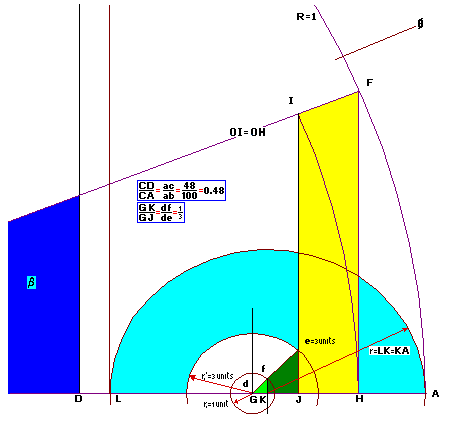
FIG. 18
|
|---|
|
11. |
Divide the line GKJ so that the ratio GK/GJ = 1/3.
|
|---|
|
|
|
|---|
|
11.
|
a. Similar to step 4.
|
|---|
|
|
|
|---|
|
11.
|
b. With center pt G (pt d) and a 3
unit radius, just larger than
|
|---|
|
|
|
|---|
|
11.
|
length GJ, draw an arc to
cut line Jel at e, see FIG. 18.
|
|---|
|
| Pg. 96
|
|---|
|
11.
|
c. Join pts d & e with a straight line, as shown in FIG. 18.
|
|---|
|
|
|
|---|
|
11.
|
d. Locate pt f on line dfe so that df = 1 unit and df/de = 1/3
|
|---|
|
|
|
|---|
|
11.
|
e. Drop a perpendicular from pt f to meet line GKJ at pt K.
|
|---|
|
|
|
|---|
|
11.
|
f. In similar 'right angled' DGKf & DGJe:
|
|---|
|
|
|
|---|
|
11.
|
ÐeGK is common,
thus sides GK/GJ = df/de = 1/3.
|
|---|
|
|
|
|---|
|
12.
|
Draw a circle with pt K as center and radius KA = LK = r to cut
|
|---|
|
|
|
|---|
|
|
an arc across line OLKA at pts A & L, see FIG. 18/19.
|
|---|
|
|
|
|---|
|
13.
|
At pt L draw a perpendicular LM to meet arc BMA at pt M.
|
|---|
|
|
|
|---|
|
4.
|
[OL/OM=OL/R=OL/1=OL=cos2b'' & 2b'' = ÐMOA = cos-1OL & b'' = ÐBOM = (3Æ - 2b')]
|
|---|
|
|
|
|---|
|
14.
|
Duplicate ÐBOM on line OA.
|
|---|
|
|
|
|---|
|
|
a. Similar to step 5.:
|
|---|
|
|
|
|---|
|
|
b. With center pt A and a radius length BM draw an arc to cut
|
|---|
|
|
|
|---|
|
|
arc BMMA at pt N above pt A, as shown in FIG. 19 below.
|
|---|
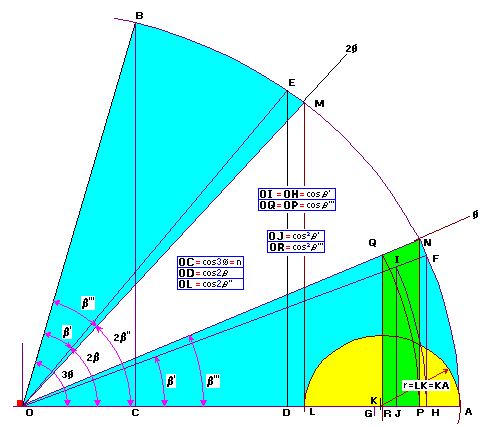
FIG. 19
|
|---|
|
14. |
c. Join pts N & O with a straight line, see FIG. 19 above.
|
|---|
|
|
|
|---|
|
5.
|
[Equal arcs and chords subtend the same angle
at the center of the circle - theorem]
|
|---|
|
|
|
|---|
|
|
thus ÐNOA = ÐBOM = b'''.
|
|---|
|
|
|
|---|
|
15.
|
Drop a perpendicular from pt N to meet line OPA at pt P.
|
|---|
|
| Pg. 98
|
|---|
|
|
[OP/ON = OP/R = OP/1 = OP = cosb''' = cos(3Æ - 2b'')]
|
|---|
|
|
|
|---|
|
16.
|
With center pt O and radius OP draw an arc PQ to cut line
|
|---|
|
|
|
|---|
|
|
OQN at pt Q, as shown in FIG. 19 above.
|
|---|
|
|
|
|---|
|
17.
|
Drop a perpendicular from pt Q to meet line ORPA at pt R.
|
|---|
|
|
|
|---|
|
18.
|
Joint pts Q & R with a straight
line, as shown in FIG. 19 above.
|
|---|
|
|
|
|---|
|
|
[OR/OQ = OR/OP = OR/cosb''' = cosb''' & OR = cos2b''' = cos2(3Æ - 2b'')]
|
|---|
NOTE ERROR KR ¹ 0 IN FIG. 19:
|
|---|
|
i.
|
Using my 'FOCUSING EQUATION':
|
|---|
|
|
|
|---|
|
|
cos2Æ + (1 - cos2Æ)/2 = cos2Æ
[IDEAL]
|
|---|
|
|
|
|---|
|
|
ie. OL + LK + KR = OR = 1 - RA
[IDEAL: KR = 0]
|
|---|
|
|
|
|---|
|
ii.
|
with ERROR KR:
|
|---|
|
|
|
|---|
|
|
OL + LK + KR = cos2b'' + (1 - cos2b'')/2 + KR = cos2b'''
|
|
|
|---|
|
|
OK + KR = 1 - RA = OR = cos2b''' = cos2(3Æ - 2b'')
|
| Pg. 99
|
|---|
|
|
ie. OL + LK - OR = - KR = ±e ¹ 0, as shown in FIG. 19 above.
|
|---|
|
|
|
|---|
|
|
Length KR = ±e is the present
'error value' to be corrected.
|
|---|
|
|
|
|---|
|
|
When I used ac = 0.5 in FIG. 17 the KR = ±e error here
|
|---|
|
|
|
|---|
|
|
was already nil.
|
|---|
|
|
|
|---|
|
iii.
|
Assuming: OL + LK + 2KR/3 » cos2Æ
|
|---|
|
|
|
|---|
|
|
ie. cos2b'' + (1 - cos2b)/2 + 2KR/3 » cos2Æ
|
|---|
|
|
|
|---|
|
|
This method continues to decrease the 'error value' = ±e
|
|---|
|
|
|
|---|
|
|
with FIG. 20 below.
|
|---|
|
|
|
|---|
|
iv.
|
FIG. 20 is a blow up of FIG. 19 at area KR = ±e.
|
|---|
|
|
|
|---|
|
v.
|
ÐNOA = ÐBOM = b''' is still not equal to Æ, see FIG. 19 above.
|
|---|
|
|
|
|---|
|
vi.
|
Let's continue with this closer approximation of 2KR/3,
|
|---|
|
|
|
|---|
|
|
as inFIG. 20 below.
|
|---|
|
|---|
|
|---|
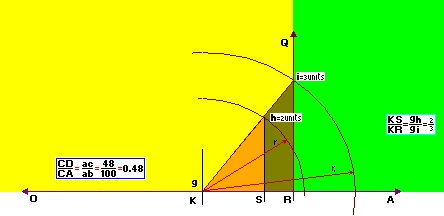
FIG. 20
|
|---|
|
19.
|
Divide the line KSR so that the ratio KS/KR = 2/3.
|
|---|
|
|
|
|---|
|
19.
|
a. Similar to steps 4. & 11..
|
|---|
|
|
|
|---|
|
19.
|
b.With center pt K (pt g) and a suitable 3
unit radius, just larger
|
|---|
|
|
|
|---|
|
19.
|
than length KR, draw an arc to
cut line RiQ at pt i.
|
|---|
|
|
|
|---|
|
19.
|
c. Join pts g & i with a straight line, as shown in FIG. 20, above.
|
|---|
|
|
|
|---|
|
19.
|
d. Locate pt h on line ghi so that gh = 2 units.
|
|---|
|
|
|
|---|
|
19.
|
e. Drop a perpendicular from pt h to meet line KSR at pt S.
|
|---|
|
|
|
|---|
|
19.
|
f. In similar 'right angled' DKSh & DKRi:
|
|---|
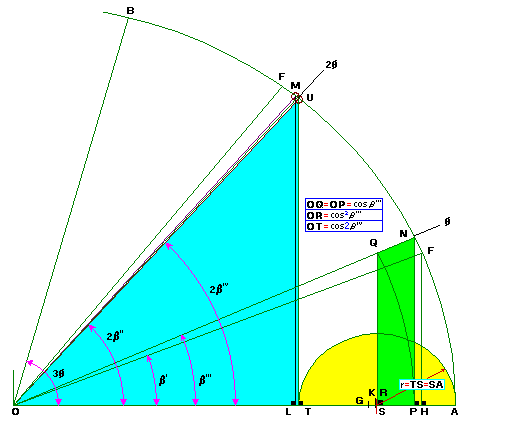
FIG. 21
|
|---|
|
19.
|
f.
ÐiKR is common,
thus sides KS/KR = gh/gi = 2/3.
|
|---|
|
|
|
|---|
|
20.
|
With pt S as center draw a circle with radius SA to cut an arc
|
|---|
|
|
|
|---|
|
|
across line OTSA at pt T to the left of pt S, see FIG. 21
|
|---|
|
|
|
|---|
|
|
above.
[ TA = 2SA = 2TS = 2r ]
|
|---|
|
| Pg. 102
|
|---|
|
21.
|
At pt T draw a perpendicular TU to meet arc BUA at pt U,
|
|---|
|
|
|
|---|
|
|
see FIG. 21.
[OT/OU=OT/R=OT/1=OT=cos2biv & 2biv = ÐUOA = cos-1OT]
|
|---|
|
|
|
|---|
|
22.
|
To bisect ÐMOU:
|
|---|
|
|
|
|---|
|
22.
|
a. With pts M & U as center
draw circles with a suitable radius
|
|---|
|
|
|
|---|
|
22.
|
just larger than MU to cut each other at pt V just above U as
|
|---|
|
|
|
|---|
|
22.
|
shown in FIG. 22 below.
|
|---|
|
|
|
|---|
|
22.
|
b. Join pts O & V with a straight line, as shown in FIG. 22/23.
|
|---|
|
|
|
|---|
|
|
[
ÐVOA = (ÐMOA + ÐUOA)/2 = (2b'' + 2biv)/2
&
ÐBOV = Æ]
|
|---|
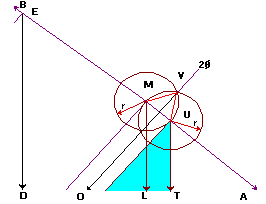
FIG. 22
|
|---|
NOTE:
|
|
|---|
|
Line OV agrees with the actual Ð2Æ mark which was carried along
|
|---|
|
|
|---|
|
(as an AutoCAD14 Drawing image), as shown in most of the
|
|---|
|
|
|---|
|
drawings above.
|
|---|
|
|---|
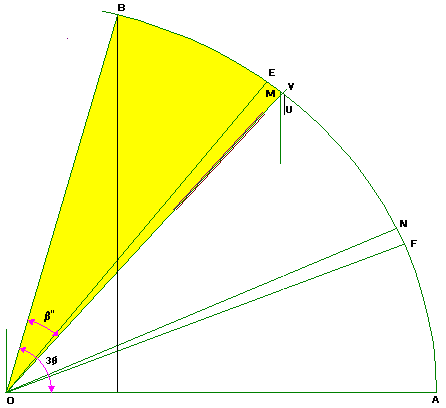
FIG. 23
|
|---|
|
23.
|
Thus ÐBOA = 3Æ is trisected by ÐBOV = Æ as required,
|
|---|
|
|
|
|---|
|
|
see Fig.23 above.
|
|---|
NOTE:
|
|
|---|
|
In the program formula [ see FACTOR TABLE below ] M & U
|
|---|
|
|
|---|
|
are reversed, with a much larger separation, and bisected to give
|
|---|
|
|
|---|
|
a similar accurate ÐBOV = Æ. However, the computer can repeat
|
|---|
|
|
|---|
|
lines 1 to 21 until the 'error value' = 0!
|
|---|
|
|---|
|
1.
|
In 'right angled' D OCB:
|
|---|
|
|
|
|---|
|
|
ÐBOA = 3Æ (75o) and OB = OA = R = 1 unit
[ see FIG. 17]
|
|---|
|
|
|
|---|
|
2.
|
Let n = OC/OB = OC/R = OC/1 = OC = cos3Æ
[cos75o = 0.2588190]
|
|---|
|
|
|
|---|
|
3.
|
cos2Æ = 2cos2Æ - 1 or cos2Æ = 1 - 2sin2Æ
[from CRC TABLES]
|
|---|
|
|
|
|---|
|
|
cos2Æ + (1 - cos2Æ)/2 = cos2Æ = cos2(3Æ - 2Æ)
[IDEAL]
|
|---|
|
| Pg. 105
|
|---|
|
|
cos2z + (1 - cos2z)/2 + error = cos2z' = cos2(3Æ - 2z)
[ƹz¹z']
|
|---|
|
|
|
|---|
|
|
- used as the 'FOCUSING EQUATION'.
[ see FIG. 18/20].
|
|
|
|---|
|
4.
|
Let Error Factor 'ac/ab' = CD/CA =
|
|
|
|---|
|
|
= (cos2Æ - cos3Æ)/(1 - cos3Æ) = (cos2Æ - n)/(1 - n)
|
|---|
|
|
|
|---|
|
|
[ = (cos50o - cos75o)/(1 - cos75o) = (0.6427876 - 0.2588190)/(1 - 0.2588190) = 0.518490 ]
|
|---|
|
|
|
|---|
|
|
ie. ac/ab = 0.52 adjusted high, see 3Æ = 75o in FACTOR TABLE below.
|
|
|
|---|
|
5.
|
In 'right angled' DODE:
[see FIG. 17]
|
|
|
|---|
|
|
Let OD/DE = OD/R
= OD/1 = OD = OC + CD = OC + (ac/ab)CA
|
|---|
|
|
|
|---|
|
|
= n +.52CA = cos2b
[ = n + .52(1 - n) = .2588190 + .52(1 - .2588190) = 0.6442331 ]
|
|---|
|
|
|
|---|
|
|
Let 2b = ÐEOD = cos-1OD
[ = cos-1(0.6442331) = 40.3917o = 40o 53' 30.480'' ]
|
|---|
|
|
|
|---|
|
|
Let b' = ÐEOB = ÐFOA = 3Æ - ÐEOD = 3Æ - 2b
[ = 25.1082o ]
|
|---|
|
|
|
|---|
|
6.
|
Let 2y1 = DA = 1 - OD = 1 - cos2b = 2DG = 2GA
[ = 0.355767 ]
|
|
|
|---|
|
7.
|
OH/OF = OH/1
= cosÐFOA = cosb' = cos(3Æ - 2b) [=0.9065081]
|
|---|
|
|---|
|
|---|
|
|---|
|
|---|
|
|---|
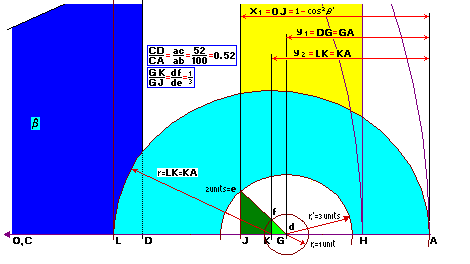
FIG. 24
[ compare with Fig. 18/19 ]
|
|---|
|
7.
|
OJ/OI = OJ/OH
= OJ/cosb' = cosb' or OJ = cos2b'
[ = 0.819949 ]
|
|
|
|---|
|
|
Let x1 = JA = 1 - OJ = 1 - cos2b' = 1 - cos2(3Æ - 2b)
[=0.180055]
|
|
|
|---|
|
|
1st. ERROR: GJ = GA - JA = y1 - x1 = ±e ¹ 0
[ see Fig. 18/24 ]
|
|
|
|---|
|
|
[ e = 0.177883 - 0.180055 = -2.171695E-3 ]
|
|---|
|
|---|
|
|---|
|
|---|
NOTE:
|
|
|---|
|
The above graphical method 'Error Factor' 0.48 (75o) gives
|
|---|
|
|
|---|
|
good display results but the computer formula method is accuracy
|
|---|
|
|
|---|
|
with y1 = 0.177883 which is out a mere 0.000717 from Y.
|
|---|
| Pg. 107
|
|---|
|
ie. X = cos2Æ = Y = (1 - cos2Æ)/2 = (1 - OD')/2 = 0.1786.
|
|---|
|
|
|---|
|
The 'Error Factor'
is doctered to give a larger OD' giving a
|
|---|
|
|
|---|
larger ÐBOE = ÐFOA = b' > Æ and a smaller y1 < Y = X < x1.
|
|
|---|
cos2b + (1 - cos2b)/2 + error = cos2b
[ my 'FOCUSING EQUATION']
|
|
|---|
or 1 - 2Y' + Y' + e = 1 - X' or e = -X'/ Y'
|
|
|---|
|
ie. Y' is inversely proportional to X'.
|
|---|
|
|---|
|
|---|
|
|---|
|
|---|
|
8.
|
KA = KJ + JA = LK = LA/2
[ see Fig. 18/19/24 ]
|
|
|
|---|
|
|
KA = JA + 2GJ/3 = JA -2(JA - GA)/3
[ see Fig. 24 ]
|
|
|
|---|
|
|
Let y2 = KA = x1 +
2(y1 - x1)/3
[ = x1 +
2(y1 - x1)/3 = 0.178607 ]
|
|
|
|---|
|
9.
|
Let 2b'' = ÐMOA = cos-1(1 - LA)
= cos-1(1 - 2y2)
[see FIG.19]
|
|
|
|---|
|
|
[ = 50.00017o = 50o 0' 0.62'' ]
|
|---|
|
|
|
|---|
|
10.
|
Let b''' = ÐBOM = ÐNOA = 3Æ - ÐMOA = 3Æ - 2b''
[=24o59'59.38'']
|
|---|
|
| Pg. 108
|
|---|
|
11.
|
OP/R = OP/1 = OP = cosb'''
[ = 0.906391 ]
|
|---|
|
|
|
|---|
|
|
OR/OQ = OR/OP = OR/cosb''' = cosb'''
|
|---|
|
|
|
|---|
|
|
or OR = cos2b'''
[ = 0.82140 ]
|
|
|
|---|
|
12.
|
Let x2 = RA = 1 - OR = 1 - cos2b'''
[ = 0.17860 ]
|
|
|
|---|
|
|
2nd. ERROR: KR = KA - RA = y2 - x2 = ±e ¹ 0
[ see Fig. 25 ]
|
|---|
|
|---|
|
|---|
|
|---|
|
|---|
|
|---|
|
|---|
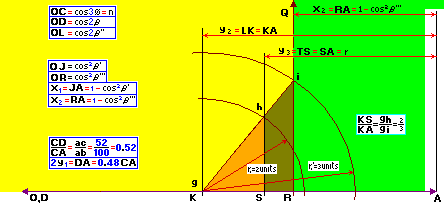
FIG. 25
[ compare with Fig. 20 ]
|
|---|
NOTE:
|
|
|---|
|
In the '1st. ERROR' the 'error value': -e is negative while in the
|
|---|
|
|
|---|
'2nd. ERROR' the 'error value': +e is positivetive; also y2 > Y > x2.
| Pg. 109
|
|---|
|
This negative cross-over property allows the computer formula to
|
|---|
|
|
|---|
|
home in on the solution like a spider web; since, x1 always over
|
|---|
|
|
|---|
|
shoots y1 (ie. x1 > y1), y2 always overshoots x2 (ie. y2 > x2),
|
|---|
|
|
|---|
|
and etc.; which did not happen with the graphic solution.
|
|---|
|
|---|
|
|---|
|
13.
|
SA = SR + RA = TS = TA/2
[ see FIG. 20/21/25]
|
|---|
|
|
|
|---|
|
|
Let y3 = SA = RA + KR/3 = RA + (KA - RA)/3
|
|
|
|---|
|
|
Let y3 = TA/2 = x2 + (y2 - x2)/3
[ = x2 + (y2 - x2)/3 = 0.178605]
|
|
|
|---|
|
|
NOTE: y3 = y2 = Y = 0.17860 to 5 decimal places already.
|
|---|
|
|
|
|---|
|
14.
|
ÐUOA = cos-1(1 - TA) = cos-1(1 - 2y3) = 2biv
[ see FIG. 26]
|
|---|
|
|
|
|---|
|
|
[ = 49.99982o = 49o 59' 59.3683'' ]
|
|---|
|
|
|
|---|
|
15.
|
ÐBOV = ÐBOA - (ÐMOA + ÐUOA)/2 = Æ
[ see FIG. 26]
|
|---|
|
|
|
|---|
|
|
ÐBOV = 3Æ - [cos-1(1 - 2y2) + cos-1(1 - 2y3)]/2
|
|---|
|
|---|
|
|---|
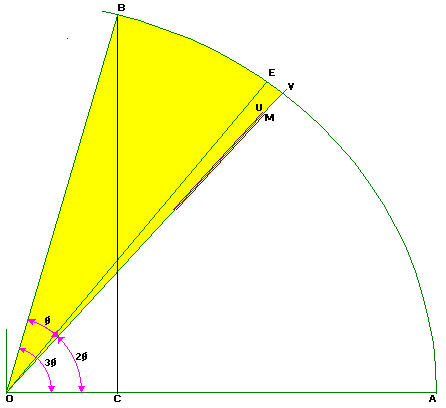
FIG. 26
[ compare with Fig. 23 ]
|
|---|
|
15.
|
ÐBOV = 3Æ - (2b'' + 2biv)/2, as shown in FIG. 26 above.
|
|---|
|
|
|
|---|
|
|
[ = 75o - (50.00017o + 49.99982o)/2 = 25.000001o = 25o 0' 0.0069'' ]
|
|---|
|
|
|
|---|
|
16.
|
ÐBOA = 3Æ is trisected by ÐBOV = Æ, as required.
|
|---|
COMPUTER FORMULAS FOR ERROR FACTOR TABLE:
|
|
1.
|
By construction or reading a protractor 3Æ = 75o
|
|---|
|
|
|
|---|
|
2.
|
n = cos3Æ = cos75o = 0.2500190.
[R = 1]
|
|---|
|
|
|
|---|
|
3.
|
cos2b = OD = n + Error Factor*(1 - n).
|
|---|
|
|
|
|---|
|
|
NOTE:
|
|
|
|---|
|
|
See 'Error Factor Table' below for 3Æ = 3o - 180o and
|
|---|
|
|
|
|---|
|
|
'Error Factors' 0.55 - 0.25; and 'Error Factor' =0.52 for 75o
|
|---|
|
|
|
|---|
|
|
OD = n + 0.52(1 - n) = 0.6442331
|
|
|
|---|
|
4.
|
2b = cos-1OD = 49.0918o
|
|
|
|---|
|
5.
|
b' = 3Æ - 2b = 75o - 2b = 25.1082o
|
|
|
|---|
|
6.
|
y1 = (1 - OD)/2 = 0.1770035
|
|
|
|---|
|
7.
|
cosb' = 0.9055081
|
|
|
|---|
|
|
cos2b' = 0.819949
|
|
|
|---|
|
8.
|
x1 = 1 - cosb' = 0.180055
|
| Pg. 112
|
|---|
|
9.
|
y2 = x1 +
2(y1 - x1)/3 = 0.178607
|
|
|
|---|
|
10.
|
cos2b'' = 1 - y2 = 0.642786
|
|
|
|---|
|
|
2b'' = cos-1(1 - y2) = 50.00017o
|
|
|
|---|
|
11.
|
b''' = 3Æ - 2b'' = 24.99983o
|
|
|
|---|
|
|
cosb''' = 0.906391
|
|
|
|---|
|
|
cos2b''' = 0.82140
|
|
|
|---|
|
12.
|
x2 = 1 - cos2b''' = 0.17860
|
|
|
|---|
|
13.
|
y3 = x2 +
(y2 - x2)/3 = 0.178605
|
|
|
|---|
|
14.
|
cos2biv = 1 - 2y3 = 0.642790
|
|
|
|---|
|
15.
|
2biv = cos-1(1 - y3) = 49.99982o
|
|
|
|---|
|
16.
|
2Æ' = (2b' - 2biv)/2 = 49.999995o
|
|
|
|---|
|
|
or Æ' = 3Æ - (2b' - 2biv)/2 = 25.000001o = 25o 0' 0.0069''
|
|---|
|
| Pg. 113
|
|---|
|
|
NOTE:
|
|
|
|---|
|
i.
|
Accutacy is dependant on how far the program is iterated; for
|
|---|
|
|
|
|---|
|
|
instance: bvii = Æ always.
|
|---|
|
|
|
|---|
|
ii.
|
The table shows the optimum 'Error Factors', 0.55 to 0.25,
|
|---|
|
|
|
|---|
|
|
for each angle from 3Æ = 3o to 180o respectively.
|
|---|
|
|
|
|---|
|
iii.
|
Blue text in the table below displays % ERROR = 100(Æ - Æ')/Æ
|
|---|
|
|
|
|---|
|
iv.
|
This table looks like a SAILSURFER
going at full speed.
|
|---|
|
|
|
|---|
|
v.
|
only best ERROR for Error Factor values are shown.
|
|---|
|
|---|
|
|---|
|
|---|
|
|---|
|
|---|
|
|---|
|
|---|
|
|---|
|
|---|
|
|---|
|
|---|
|
|---|
|
|---|
|
|---|
|
|---|
|
|---|
|
|---|
|
|---|
|
|---|
|
|---|
|
| SAILSURFER
|
|
|---|
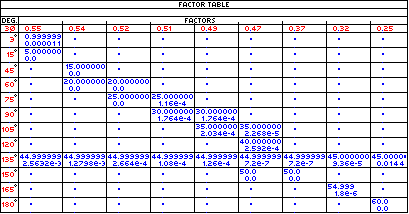
FACTOR TABLE V
|
|
|---|