









"Bowling for Columbine"
The Virgin Suicides � Paramount Classics
Citizen Kane � RKO Productions
Star Wars Community � LucasFilm
Prog Maniac � Charoenkwan Schnoor
|
|
|
|
|
|
|
|
|
|
|
|
|
|
|
|
|
|
|
|
|
|
|
|
|
|
|
|
|
|
|
|
|
|
|
|
|
|
|
|
|
|
|
|
|
|
|
|
||||||||||||||||||||||||||||||||||||||||||||||
|
||||||||||||||||||||||||||||||||||||||||||||||
|
||||||||||||||||||||||||||||||||||||||||||||||
|
||||||||||||||||||||||||||||||||||||||||||||||
|
||||||||||||||||||||||||||||||||||||||||||||||
| Movie magic is done through the voice of reason, deduction and perception. It is difficult to understand how much detail is incorporated or decided upon to create a final, fantastic image on a large screen. Hundreds of people with cables and bulbs, lipstick and shadow; tickets to fly across the world to finish a scene propelled by actors pouring their heart and soul into the shadow of each carefully placed light, up against a flat sheet of green; with cameras tucked and tied to tripods extended on wheels, and platforms that launch an operator towards the action--are driven by the movie business. The one business that takes their hard work and copies it onto thousands of silver-halide snapshots "with as many as 12 different layers, and yet it is never more than .0004 of an inch thick--thinner than a human hair� (�From Silver to Gold� par 2). | ||||||||||||||||||||||||||||||||||||||||||||||
|
||||||||||||||||||||||||||||||||||||||||||||||
|
||||||||||||||||||||||||||||||||||||||||||||||
| You cannot discuss cinematography without a basic understanding of what a film is. William Eastman-Kodak began the process of 35mm film development in the early 19th century. Images were recorded onto photogenic plates, instead of the thin film frames we know now. Since then, film production has reached an ultimate high for film-makers and photographers, especially with the increased technology including video, digital-video discs, and programs that can create worlds filled with suspense and action all on a computer. All is completed to work seamlessly as a finished product called a film, or a movie. Movies began as a means of entertainment, as has other forms of art, such as theatre, painting, or sports. The first films included many by the Lumiere brothers, whose short takes of things such as trains rolling into stations amazed, delighted, and even frightened many viewers to see images recorded in time and played back time and time again. "Early films shot and project at 12 or 16 fps appeared jerky and were often called 'flickers,' because each frame held on the screen for too lengthy an interval than went to a brief black interval before the next frame would be presented� (Hines, 140). The human mind �receives a series of intermittent visual images, each image remains on the retina for a fraction of a second, said to be about 1/25th of a second,� (140) which is why they typical film speed is now set a 24 frames per second. Now imagine a three hour long movie. . .and that is only the final cut. These frames are computed in the brain through waves of color and value, and through the use of music and dialogue, a movie can simulate reality on a number of different levels. It is the Cinematographers job to decide �where to put the camera, should it stay still or move, what to light and what not to light,� (qtd. in Fisher, par 22) according to Conrad Hall, noted Director of Photography for such great movies as �American Beauty�, �Road to Perdition�, and �Butch Cassidy and the Sundance Kid.� Recently, movies have come a long way from simple entertainment. They are a means of sending messages through 30-second television plugs, giving us a glance at life in Berlin or Moscow without ever boarding a plane, inform us about our society, and pursue new means of graphic and multimedia communications. Cinematographer Ellen Kuras ironically describes a moviemaking community, saying, �A lot of people will know what the craft of filmmaking is, but they don�t really have very much to say� (MovieMaker.com). | ||||||||||||||||||||||||||||||||||||||||||||||
|
||||||||||||||||||||||||||||||||||||||||||||||
|
||||||||||||||||||||||||||||||||||||||||||||||
|
||||||||||||||||||||||||||||||||||||||||||||||
|
||||||||||||||||||||||||||||||||||||||||||||||
|
||||||||||||||||||||||||||||||||||||||||||||||
|
||||||||||||||||||||||||||||||||||||||||||||||
|
||||||||||||||||||||||||||||||||||||||||||||||
| There are four main forms of cinematography: Documentary, Experimental, Narrative, and Commercial. Usually the two latter coincide with creative directors. Large corporate offices may also call upon cinematic cinematographers to drive the vision of their product through commercials on television. Experimental films are generated by an artistic motivation, and often have no permanent plot or concrete concepts associated with the piece. One such example would be Andy Warhol�s use of cinema as a means to record the continuous burning of a candle or other artist�s interactive videos that can be projected on walls of studios. These are usually easily identifiable and can provoke curious or repulsive thoughts. It is when the Narrative and Experimental collide that an original and alluring movie is created. Sofia Coppola, whose first time directing/writing occupation occurred on �The Virgin Suicides�, used multiple techniques such as time compression, time cuts, and voice-overs (VO�s) to create environmental senses and incorporate a viewer. Although it is simple for a film-maker to transition from once scene to another using text displays of �One Week Later,� or �12 Months Earlier,� as an alternative, Sofia visually compressed time by taking �a single frame every 30 seconds, 1 minute, 5 minutes, 30 minutes, hour, etc.,� (Highlander, par 7) and running it as a successive scene. This system, also known as �single framing�, is also used in animation, but as a means to construct a seamless story, not a choppy scene. Walt Disney is perhaps the most widely known animator with the largest studio of his time. Animators conceptualize a character using real-life animals or objects and then base the movement on their studies. Pictures were drawn frame by frame, then run at 24 frames per second, as a flip�book would. In the editing process colors are added, jerkiness is smoothed out, ambient sound is included, and actor�s voices are recorded to create a finished animated product. Recently, Pixar Animation studios, with hits such as �Finding Nemo�, �Toy Story�, and �Monsters Inc.�, have improved the standards of digital incorporation. Their three dimensional graphics give depth and quality to characters and environments that two dimensional animation could never accomplish. CGI, or Computer-Generated Images, which astonished movie-goers in the �Terminator�, �Star Wars�, and �Lord of the Rings� series, as well as �Titanic�, �Jurassic Park�, and �The Abyss�, have played a part in every lavish special effects shot in the late 20th and early 21st century. They have been the heralds of advanced technological programs, saturating movies with layouts, mattes, and intensity that a real set would have had in the early 20th century. �CG is unbelievable now,� says �Red Planet� director Antony Hoffman, �When you storyboard a shot, you have much more control over a CG element that I�d have ever thought� (MovieMaker.com). | ||||||||||||||||||||||||||||||||||||||||||||||
|
||||||||||||||||||||||||||||||||||||||||||||||
|
||||||||||||||||||||||||||||||||||||||||||||||
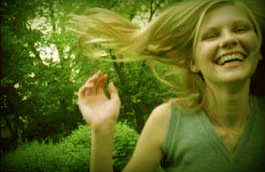
| Sofia Coppola's use of flashbacks and imagery compresses time throughout "The Virgin Suicides" | ||||||||||||||||||||||||||||||||||||||||||||||
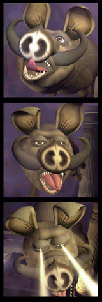
| Computer--Generated Images. . .have played a part in every lavish special effects shot in the late 20th and early 21st century | ||||||||||||||||||||||||||||||||||||||||||||||
| Frames from Charoenkwan Schnoor's computer-generated animation | ||||||||||||||||||||||||||||||||||||||||||||||
|
||||||||||||||||||||||||||||||||||||||||||||||
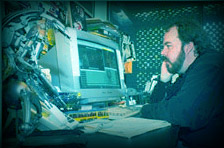
| Animator Rob Coleman working on CGI for Industrial Light and Magic | ||||||||||||||||||||||||||||||||||||||||||||||
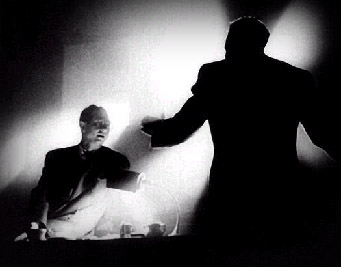
| Let�s not skip ahead too far though. The first films released were black and white pictures, which required much more dramatic lighting plots. Most filming was done in sets and with backdrops instead of on an actual location. �Sunset Boulevard� probably aimed the amount of work and courses a studio set takes most accurately. Cinematographers struck hard shadows against doorways and in film noir�a term used to generalize the gangster movie genre. �Citizen Kane� was not notarized at the time for it�s spectacle, but �Kane� exhibits some of the most valued practices, including back lighting, which hid the figure in shadow; diffusion, which clouded the smoky room and shot soft light into the interiors; and two more that revolutionized the movie business: deep focus, which gave focus to the background instead of just foreground objects, as well as low-angle shots, which displayed the ceilings. This was never done because studio sets were hardly ever filmed entirely, and so they never included a roof. | ||||||||||||||||||||||||||||||||||||||||||||||
|
||||||||||||||||||||||||||||||||||||||||||||||
| One of the board room scenes in "Citizen Kane" | ||||||||||||||||||||||||||||||||||||||||||||||
|
||||||||||||||||||||||||||||||||||||||||||||||
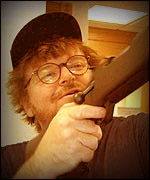
| The last form of cinematography deals with Documentaries. These take part in the real life drama of our own lives and reflect situations we hold near and dear, or some things we tend to negate too often. The best known contemporary documentary filmmaker is Michael Moore, whose radical statements and films have driven a message home for a �gun-toting� and �unemployed� America. Of course documentaries are constantly shown everyday on television, from your local news to the 48-Hour Special. They report on the current events and opinions around the world, which can even include the up-to-date reality programs. Needless to say, these fueled an unparalleled amount of success, but are no more than documentaries whose main characters have been bribed into their situation. There is no script or preparation, but it is the camera operator who must capture the action to convey that sense of ecstasy or disappointment at just the right moment with just the right shot. | ||||||||||||||||||||||||||||||||||||||||||||||
| Michael Moore describes the influence of guns in "Bowling for Columbine" |
||||||||||||||||||||||||||||||||||||||||||||||
| Pictures Courtesy of: The Virgin Suicides � Paramount Classics Citizen Kane � RKO Productions Star Wars Community � LucasFilm Prog Maniac � Charoenkwan Schnoor |
||||||||||||||||||||||||||||||||||||||||||||||