| |
Digital Camera Operation
The last chapter discussed how each of the basic components of a digital camera work to capture and save an image. This chapter will give an overview of how a typical digital camera looks and discuss its basic features. The chapter will also discuss some of the common additional features that the digital camera offers.
Basic Features
Most digital cameras have certain basic features in common. This topic will explore these features by means of labeled diagrams and a brief overview of the noted features.
Before examining the individual features of the digital camera it is good to get a general idea of what the typical digital camera looks like. Figures 3.1 and 3.2, shows the front and back view of a typical point and shoot digital camera.
Figure 3.1 Kodak Easyshare C663 Zoom Digital Camera (Front view) (Adapted from Kodak)
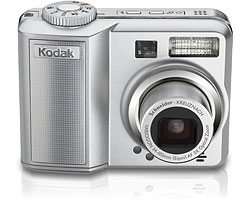
|
Figure 3.2 Kodak Easyshare C663 Zoom Digital Camera (Back view) (Adapted from Kpdak)
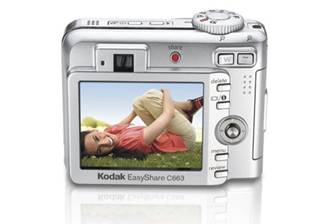 |
Digital cameras, as mentioned in the previous chapter, come in varied sizes with different features that determine what they are used for. The figures 3.3, 3.4 and 3.5 show three different types of digital cameras.
Figure 3.3 Kodak Easyshare V550 Zoom Digital Camera (Pocket Camera). Dimensions: W × H × D: 3.7 × 2.2 × 0.9 in. (94 × 56 × 22 mm). This is a smaller version of the point and shoot camera. (Adapted from Kodak)
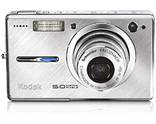
Figure 3.4 Kodak Easyshare V550 Zoom Digital Camera (Point and Shoot). Dimensions: W × H × D: 3.3 × 2.5 × 1.4 in. (84.7 × 64.7 × 34.9 mm). This is a view of the typical point and shoot camera. (Adapted from Kodak)
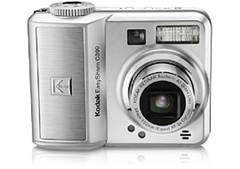
Figure 3.5 Olympus Digital SLR Evolt E-500 (Digital SLR.) Dimensions: 5 x 3.7 x 2.6 in. (129.5 x 94.5 x 66 mm). This picture displays a high-end digital SLR). (Adapted from Kodak)
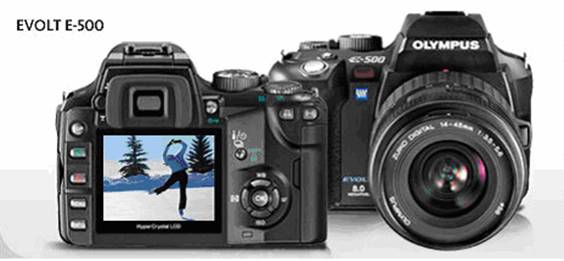
Now that we have a general idea of how some typical digital cameras look, we will now “zoom” in on the features of the typical digital camera:
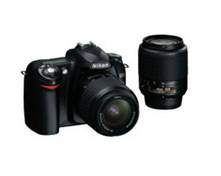
- Most digital cameras have digital or optical zoom lens of a combination of both. Some high-end digital cameras like the digital SLRs have additional zoom lens that can be used to improve the zoom. Figure 3.6 shows an example of the zoom lens employed in most consumer cameras, while figure 3.7 displays an example of a high-end digital SLR camera with an additional zoom lens, mostly used by professional photographers.
Figure 3.6. Typical digital camera zoom lens.(Adapted from Kodak)
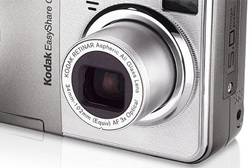 |
Figure 3.7 An example of a digital SLR with additional zoom lense. (Adapted from Nikon)
 |
- Most zoom digital cameras are equipped with telephoto and wide-angle zoom to take close shots and distant scenery, as displayed in figure 3.10.
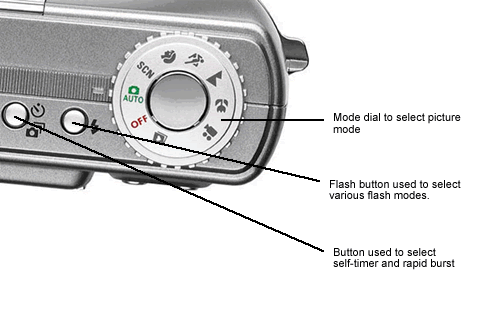
- Most digital cameras are also equipped with several picture modes, specialized to take different types of photographs. Some of these modes are: auto (used for general picture taking), night (used to take photographs in dark conditions), motion (to capture moving objects), landscape (to take pictures of scenery) and a mode to take photographs of objects close to the lens. Figure 3.9 displays a camera with some of these modes.
- Digital cameras have different flash modes, for example, red-eye reduction and forced flash. Figure 3.9 illustrates.
- Some cameras have a self-timer to as well a rapid burst option. Rapid burst allows the user to take several photographs in quick succession. See figure 3.9 for an example.
Figure 3.9. Kodak EASYSHARE with a mode dial located at the shutter button used to set various picture modes, and video mode as well a flash mode button and rapid burst/ self-timer button.
- A characteristic of nearly all digital cameras is the LCD screen. The LCD screen is a necessity in digital cameras, as it not only allow you to view an object while taking a picture, it also allows the user to view and zoom in on the picture that they have taken and review all previously taken photographs. Another integral role is that it displays the menu options, via the on-screen menu, which allows the user to: save, delete, set the time and date on the camera, change picture taking settings, switch between internal and external memory and access many of the other camera features. The LCD screens vary in size and resolution, depending on the manufacturer of the camera. Figure 3.10 illustrates a typical digital camera LCD screen.
- The function and navigation buttons work together with the on-screen menu, displayed on the LCD screen. The buttons are used to access features such as: the menu options, delete, photograph zooming, exposure, and save just to name a few. The navigation button is used to browse through the menu options and saved pictures.
Figure 3.10. A Labeled picture of the back of a typical digital camera, including the LCD screen and function buttons.
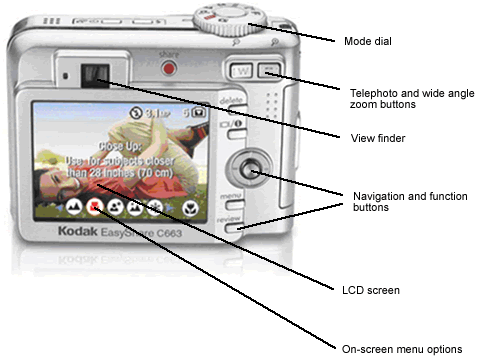
- A great number of digital cameras have a viewfinder, just like a conventional film camera. The viewfinder can be used instead of the LCD screen when taking a photograph. The viewfinder is displayed in figure 3.10 above.
- Many digital cameras are equipped with software that allows it to take pictures in many different colour modes, such as sepia and black and white as well as blue, green, red and violet in the high-end cameras, as illustrated in figure 3.11.
Figure 3.11. Colour modes of the Olympus Evolt E-500 Digital SLR. (Adapted from Olympus)

- A key feature on many digital cameras is the ability to record movies. Almost all digital cameras can be used to record movies just like a camcorder. The quality and length of the movies recorded depends on the manufacturers’ specifications and the memory being used, respectively. Coupled with this ability is a built in microphone to record sound, thus recording a complete movie, that is, with video and sound.
- All digital cameras are made with ports for transferring the stored images to another device, such as a computer of printer. The majority of digital cameras also have a slot for removable memory such as flash cards. There are also cameras that have a port for A/V (audio-video) jacks to transfer and view images and video via a VCR or Television. Some cameras are also designed with a power input to allow the user to power the camera via an electrical outlet via an adaptor.
- Many digital cameras have software that allows the user to edit photographs as well as additional software that can be installed on a computer to do the same or even more advanced functions.
These are just a few of the many common features of the wide range of digital cameras on the market today. The combinations of features that specific digital cameras posses are depend on the manufacturer and the price of the camera.
Now that we have examined the features of the digital camera, what advantages does it have over the film camera and what are the disadvantages of the digital camera? The next chapter will discuss the pros and cons of the digital camera. [TOP]
|