HOME
author calendar names chief appearance village Lewis&Clark origins family sisters
ponies battle wwtown cayuseindians letters 1856
Walla Walla Indian Council
Stevens Camp --- Mill Creek --- Walla Walla Valley
May 29 to June 11, 1855
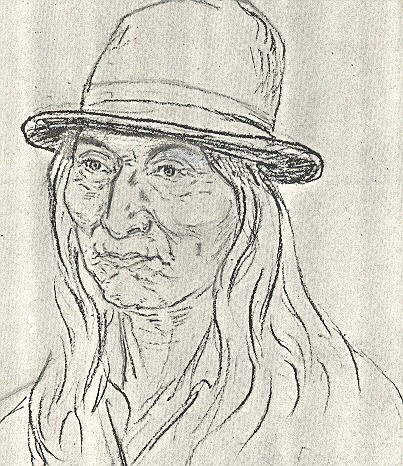 Gustav Sohon - 1855 Wash. St. Hist. Soc.
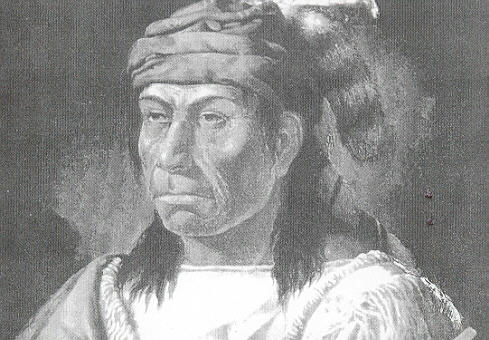 Paul Kane - 1847 Royal Ontario Museum
Fort Walla Walla Trader John McBean wrote, the Paul Kane sketches look like the original.
Roger McGee statue of Peopeomoxmox does not look like Peupeumoxmox!
If the statue is to "Honor the Great Chief" then it should look like the Great Chief and not "I had a vision"!
An insult to the Chief, and shame to Roger, and even shame to Walla Walla.
&&&&&&&&&&&&&&&
For several years I researched the goings on behind the scene at the treaty council.
I was going to write the full story of the Walla Walla Indian Council, I have decided NOT.
Council artist Gustav Sohon wrote each picture he did, the name of the Indian. He wrote Pewpewmaxmax, so evidently the Chief's name must have been pronounced Pewpew and not Peopeo. The people who knew him wrote it with an U.
Peupeumoxmox may not have appreciated the French Catholic spelling of his name, using O for U.
The Chief didn't like the Catholics, trust the Catholics, and he did not want his people nor their future children to become Catholics. It would bring them trouble and chaos, -- turning brother against brother, family against family, camp against camp. Priests telling them they were all going to Hell if they were not Catholic.
l839 - - - - A Catholic Priest came to Fort Walla Walla and was baptizing. Cayuse Chief Tauwatway took the Catholic religion and wanted his Cayuse people to become Catholic, as his poor misguided Whitman Indians were going to hell.
Peupeumoxmox who was content with Whitman religion didn't want the Catholic and refused to have his children baptized and didn't want the Priest going amongst his people causing trouble, they had enough problems without adding religion.
The Wallawalla and Cayuse were Protestant Indians, Whitman Indians, and they did not want Catholic religion or teaching their children French.
They wanted Protestant ministers and their children taught English.
The Wallawalla, Umatilla, DesChutes, Klickitat, Yakama attended church services at The Dalles. They would have large tent meetings and Perrin Whitman gave services in the Wallawalla language.
The priests bad mouthed Whitman because he was married. In today's startling news, perhaps, it's the priests who should be married.
If Whitman had lived and attended the Council the Wallawalla and Cayuse treaties would have probably turned out differently. They certainly would have gotten more land.
Perhaps their reservation, might have been the Wallawalla Valley, as Cayuse were taking farms along the Walla Walla River to be ready to take out claims when the time came. They were determined to claim their valley.
June 9, 1855 - - - - At the council, the Chief signed the Walla Walla treaty, followed by the Yakama treaty.
The Cayuse refused to sign unless they got their Blue Mountain haunts, especially where they spent their winters.
Steachus/Stickus wanted Howtame Creek, Camaspello wanted his Umatilla Headwater's camp and their people would sign.
Spokane Garry told Isaac Stevens the Cayuse didn't have enough land for their many thousands of ponies and cattle. Garry suggested the bunchgrass land between the Umatilla and Walla Walla Rivers, then each would have some of their own homeland and they would be happy.
Stevens told him to have the Cayuse check it out and if it wasn't large enough he would make it larger.
June 11, 1855 - - - - The Cayuse signed their Cayuse treaty.
Joel Palmer - - - - They have sold us their Country except the Reservation land that is to be kept in its entirety for them and their children. That tract of land is the Indian's home, his home and the home of his children.
The whites had got their land, the Reservation land belonged to the Indian.
In the Fall of 1855 Peupeumoxmox was waiting for Stevens to return from Montana Treaty Council to renegotiate their treaty to include the land to the Walla Walla River, as the Chief had not sold the Wallawalla Valley.
1859 - - - - When the treaty was ratified there was no bunchgrass area included and the Reservation had been cut in half.
Stevens sure had showed them!
Peupeu may not have stayed on the Catholic Reservation. He may have done as the next Wallawalla Chief Homily and have gone back to the Wallawalla River village or to his own land at Chimna at the mouth of the Yakima River.
The Reservation was run by Catholic Priest, Catholic Indian Agent, converted Catholic Cayuse Chief and the Wallawalla were not getting along well on the Reservation.
Chief Homily asked for a Wallawalla Reservation in Washington State as they were Washington Indians. He chose a reservation from Peupeu's land at the mouth of the Yakima to Priest Rapids, today's Richland - Hanford.
The government was seriously considering giving it to them and doing away with the friction on the Umatilla Reservation.
The goings on of NezPerce Young Joseph and white settlers running to the Fort for safety, because they could see Joseph hiding behind every sagebrush, put up quite a noise and wanted Indians back on Reservation.
1879 - - - - The Government told Homily he would not be getting the Wallawalla Reservation and to return to Umatilla. They needed less Reservations not more.
Homily said some Wallawalla would return to Umatilla, but many would go north to Chief Moses Reservation. But, much to their Indian grief, Chief Moses Reservation land was taken up by the whiteman till it no longer existed. They farmed like an Indian with large areas for ponies pasture, gardens along the river. They didn't farm like whites in squares, but like Indian needs which whitemen thought was a waste of land.
It was several years before the Wallawalla were given a Protestant Minister.