 |
 |
 |
 |
 |
 |
 |
 |
 |
 |
 |
 |
 |
 |
 |
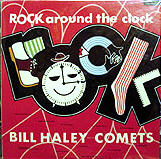
| We're Gonna) Rock Around the Clock: Bill Haley and His Comets (2:08) |
| Runaway: Del Shannon (2:18) When Del Shannon's (real name Charles Westover) "Runaway" was released in the spring of 1961 a lot of commercial music had begun to sound the same. "Runaway" was unique and original. Shannon�s soaring falsetto vocals along with the sound of Max Crookss solo on his miniature custom-built keyboard he called a Musitron played a crucial role in "Runaway's" success. Legend has it that the lyrics were written while at The Carpet Outlet, where Shannon sold carpets by day. When the song was finally pressed, Shannon took the first single and presented it to his carpet store boss, Peter Vice, for allowing him to write "Runaway" on company time.1 |
| Notes: 1.Young, C. Brian. "The Making of "Runaway" <http://www.delshannon.com/runaway.htm> 1998-2006 2.Amburn, Ellis. Buddy Holly: A Biography. St. Martin's, 1995. |
| Why Do Fools Fall in Love: Frankie Lyman and the Teenagers (2:14) At the time "Why Do Fool Fall in Love" was released on January 10, 1956, it only took 3 weeks before a hundred thousand copies had been sold. The song was so good that it immediately spawned two other cover versions: one by Gloria Mann and the other by The Diamonds. All three versions charted but The Teenager's record beat out the competition landing a number six spot on the pop charts and number one on the R & B charts. After a few months, the record and the group became international hits as "Fools" reached number one in England. It was the first time an R & B/ rock and roll record by an American group had ever peaked at number one. It was quite an accomplishment for five American teens from New York City. |
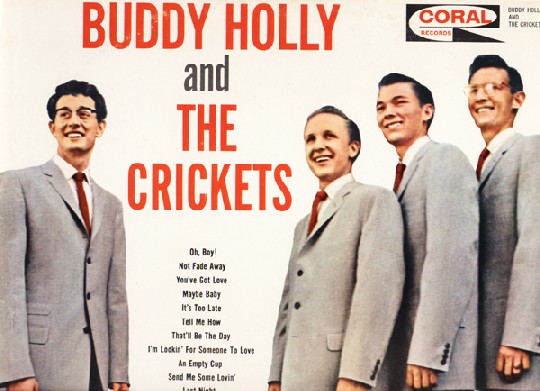
| That'll Be the Day: Buddy Holly & The Crickets (2:14) Holly along with drummer Jerry Allison wrote "That'll Be The Day" after watching the movie, "The Searchers" (1956) in which John Wayne uses the catch phrase, "That'll be the day," several times. Although first recorded in July of 1956, the definitve version was recorded eight months later and when releaesd it became a number 1 seller on the Billboard Hot 100. It is believed, that although he is given a credit for the composition, Norman Petty was never actually part of the writing process. He insisted on co-ownership of the song as a reward for producing the tune. 2 |
 |
| SOUNDTRACK Page 2 |
 |
|
|
 |
| Sixteen Candles: The Crests (2:48) When The Crest's released their single, "Beside You," in 1958 they had no idea that the flip side, "16 Candles" would be more popular. At its peak, the single was selling 25,000 copies a day and quickly becoming one of the most popular birthday songs. "16 candles" was originally called "21 candles" by its authors, Luther Dixon and Allyson Khent. Upon learning that the average age of record buyers was much younger, 5 candles were pulled from the birthday cake. |
| In 1954, when Bill Haley & the Comets first released "Rock Around the Clock" (which had originally been recorded in 1952 by Sunny Dae), it received very little attention. However, the tune got a second chance at popularity by being chosen for the soundtrack to "The Blackboard Jungle," a 1955 movie about high-school delinquency. The film generated controversy in the press and pandemonium among the young, which in turn helped "Rock Around the Clock" became an anthem for rebellious Fifties youth |
| Side 1 of 4 (Record 1) |
 |