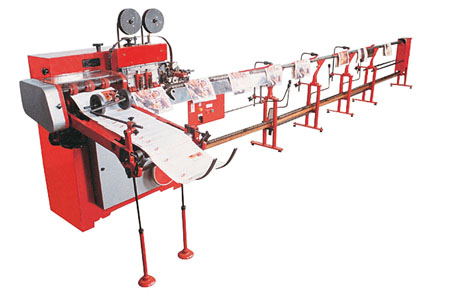
A binding machine is a device used to secure papers together. It is a relatively common piece of piece of equipment used in offices and schools. Businesses offering copying services will also likely have binding machines available. Depending on the company, self-serve binding machines may be available right alongside photocopy machines for public use.
Binding machines are available in both manual and electric styles. If you only have a few projects that require binding, or items to be bound are only a few pages long, then a manual binding machine may be the right choice. However, in a situation where you have a large volume of materials to be bound or your projects are rather lengthy, it makes more sense to go with an electric version.
Punch and bind
Different types of the punch and bind binding include:
- Double wire, twin loop, or Wire-O binding is a type of binding that is used for books that will be viewed or read in an office or home type environment. The binding involves the use of a "C" shaped wire spine that is squeezed into a round shape using a wire closing device. Double wire binding allows books to have smooth crossover and is affordable in many colors. This binding is great for annual reports, owners manuals and software manuals. Wire bound books are made of individual sheets, each punched with a line of round or square holes on the binding edge. This type of binding uses either a 3:1 pitch hole pattern with three holes per inch or a 2:1 pitch hole pattern with two holes per inch. The three to one hole pattern is used for smaller books that are up to 9/16" in diameter while the 2:1 pattern is normally used for thicker books as the holes are slightly bigger to accommodate slightly thicker, stronger wire. Once punched, the back cover is then placed on to the front cover ready for the wire binding elements (double loop wire) to be inserted. The wire is then placed through the holes. The next step involves the binder holding the book by its pages and inserting the wire into a "closer" which is basically a vise that crimps the wire closed and into its round shape. The back page can then be turned back to its correct position, thus hiding the spine of the book.
- Comb binding uses a 9/16" pitch rectangular hole pattern punched near the bound edge. A curled plastic "comb" is fed through the slits to hold the sheets together. Comb binding allows a book to be disassembled and reassembled by hand without damage. Comb supplies are typically available in a wide range of colors and diameters. The supplies themselves can be re-used or recycled. In the United States, comb binding is often referred to as 19-ring binding because it uses a total of 19 holes along the 11-inch side of a sheet of paper.
- VeloBind is used to permanently rivet pages together using a plastic strip on the front and back of the document. Sheets for the document are punched with a line of holes near the bound edge. A series of pins attached to a plastic strip called a Comb feeds through the holes to the other side and then goes through another plastic strip called the receiving strip. The excess portion of the pins is cut off and the plastic heat-sealed to create a relatively flat bind method. VeloBind provides a more permanent bind than comb-binding, but is primarily used for business and legal presentations and small publications.
- Spiral binding is the most economical form of mechanical binding when using plastic or metal. It is commonly used for atlases and other publications where it is necessary or desirable to be able to open the publication back on itself without breaking the spine. There are several types but basically it is made by punching holes along the entire length of the spine of the page and winding a wire helix (like a spring) through the holes to provide a fully flexible hinge at the spine. Spiral coil binding uses a number of different hole patterns for binding documents. The most common hole pattern used with this style is 4:1 pitch (4 holes per inch). However, spiral coil spines are also available for use with 3:1 pitch, 5:1 pitch and 0.400-hole patterns.
- Proclick (GBC) is a relatively new binding style that was originally designed for use with a 3:1 pitch wire binding hole pattern. This type of binding uses an element that snaps shut and can be easily opened for editing purposes. The editing abilities of this style make it popular with direct sales organizations and mobile offices. Proclick is manufactured exclusively by the General Binding Corporation.
- ZipBind is also manufactured by the General Binding Corporation and offers easy editing. However, the binding spines for this style are designed to work with the 9/16" plastic comb binding hole pattern. Like Proclick, Zipbind spines can easily be opened and closed without the need for a binding machine. Thus the addition and deletion of pages is a simple process provided that the pages have already been punched.
|