

Travel Guide The English took the island in 1655 from the Spaniards, who put up a long, spasmodic, and quite ineffectual defense. at that time it was sparsely populated and almost entirely undeveloped, the original population of Arawak Indians having died or been killed off during the Spanish occupation of about 150 years. Settlement by the English really began after the Stuart Restoration in 1660, when the civil government of the island by a governor, nominated Council and elected Assembly was introduced. This administrative organization persisted until the end of our period. From the late seventeenth century onwards the island rapidly grew in importance as the largest British colonial producer of cane-sugar, and by the mid-eighteenth century it was the most prized possession of the British Crown, far exceeding in importance and the value nay of the other British Caribbean or American mainland colonies.
Within the compass of the British acts regulating colonial trade an important commerce was carried on with the American mainland colonies, and certain other estate supplies. Soon after the mid-eighteenth century, however, the fortunes of the island began to decline. The declaration and winning of American independence reduced the direct American trade (since the Untied States was barred from American supplies. Increasing sugar production in the French and Spanish Cuba afterwards) by planters in North and south America (Chiefly Louisiana and Brazil) and by other British producers (in Mauritius and the Far East) tended to depress sugar prices, while the costs of production tended to increase. The expenses of planting were affected by much more than the new scarcity and dearness of American supplies. Planters were faced with soil deterioration on their estates; rising prices for slaves, as sugar producers throughout the Caribbean increased their production ; and increasing costs of shipping and marketing their sugar in Britain. The long period of almost unbroken war between England and France between 1793 an 1815 temporarily arrested the decline, but even so, new problems were introduced by such events as the ending of the British slave trade in 1807 and the beginning in France of the manufacture of sugar from beetroot (though the full effects of this new source of competition were not felt before the 1870’s and 1880’s.) After 1815 the sugar industry and trade suffered by the Caribbean territories was organized on an “apprenticeship system” by which the slaves (now called apprentices”) were required to give about forty hours of unpaid labour a week to their owners but were allowed to demand wages for any time worked in excess of this maximum. For many reasons apprenticeship did not succeed: it was a misconceived attempt at compromise that pleased neither planters nor apprentices, and it was therefore terminated before the appointed date.
|
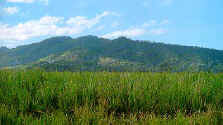 The sugar
estates and other properties were worked by slaves imported from Africa and their
local-born descendants. Although other crops such as coffee, cotton, pimento, were
exported, the economy of the island was founded on slave-labour, sugar, and the protection
given to colonial producers in the British home market.
The sugar
estates and other properties were worked by slaves imported from Africa and their
local-born descendants. Although other crops such as coffee, cotton, pimento, were
exported, the economy of the island was founded on slave-labour, sugar, and the protection
given to colonial producers in the British home market. Source: Peoples & Cultures Of The Caribbean
Got Questions or Comments?!!
Looking For Something? Search!