
Click here to continue your tour!
|
|
|
|
|
|
|
|
|
|
|
|
|
|
|
|
|
|
|
|
|
|
|
|
|
|
|
|
|
|
|
|
|
|
|
|
|
|
|
|
|
|
|
|
|
| Gettysburg (continued) | ||||||||||||||||||||||||||||||||||||||||||||
| For a closer look at each picture, simply click on it. Then click the "Back" button at the top left of your browser screen to return to this page. Enjoy! | ||||||||||||||||||||||||||||||||||||||||||||
|
|
|||||||||||||||||||||||||||||||||||||||||||
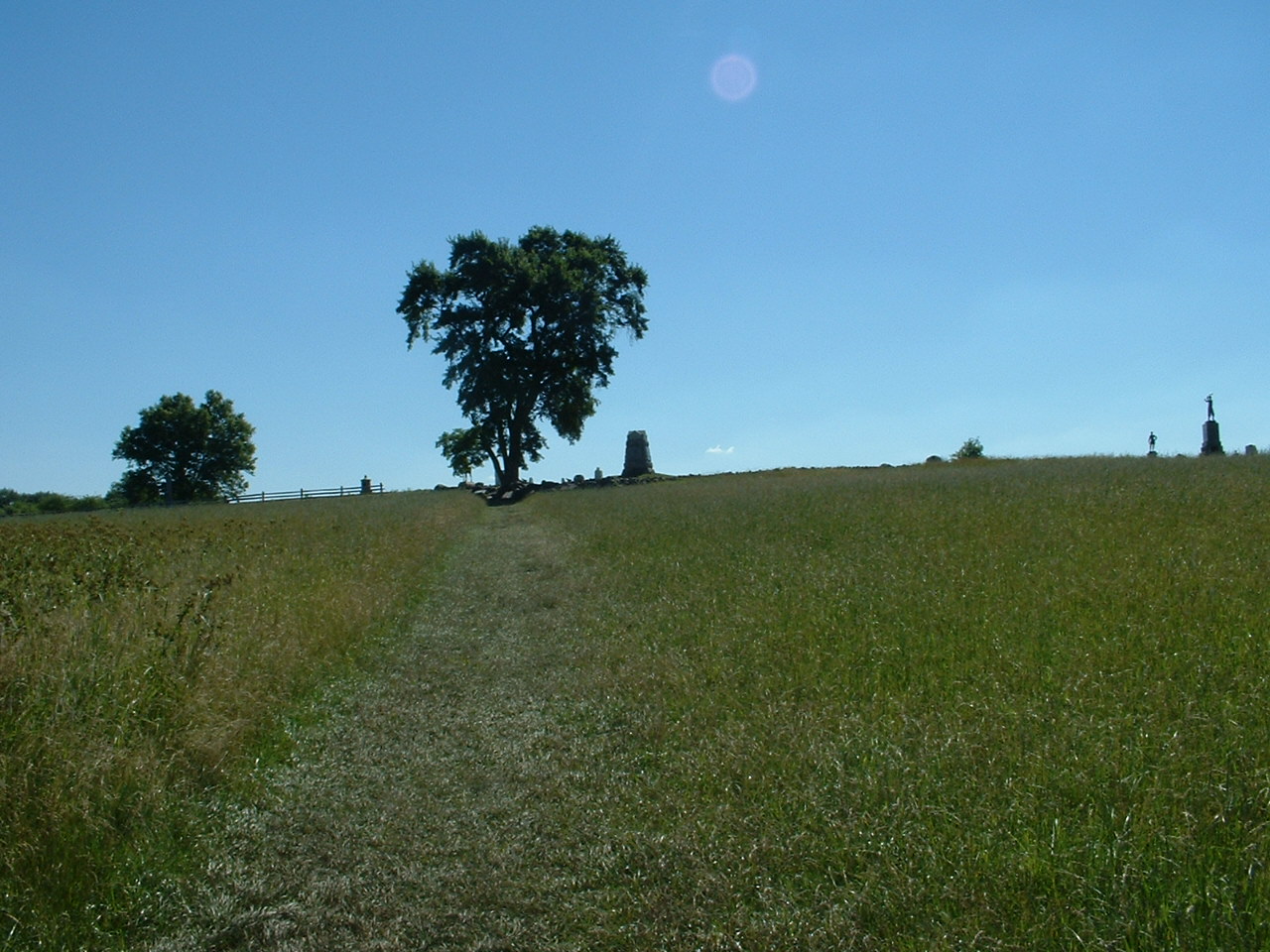
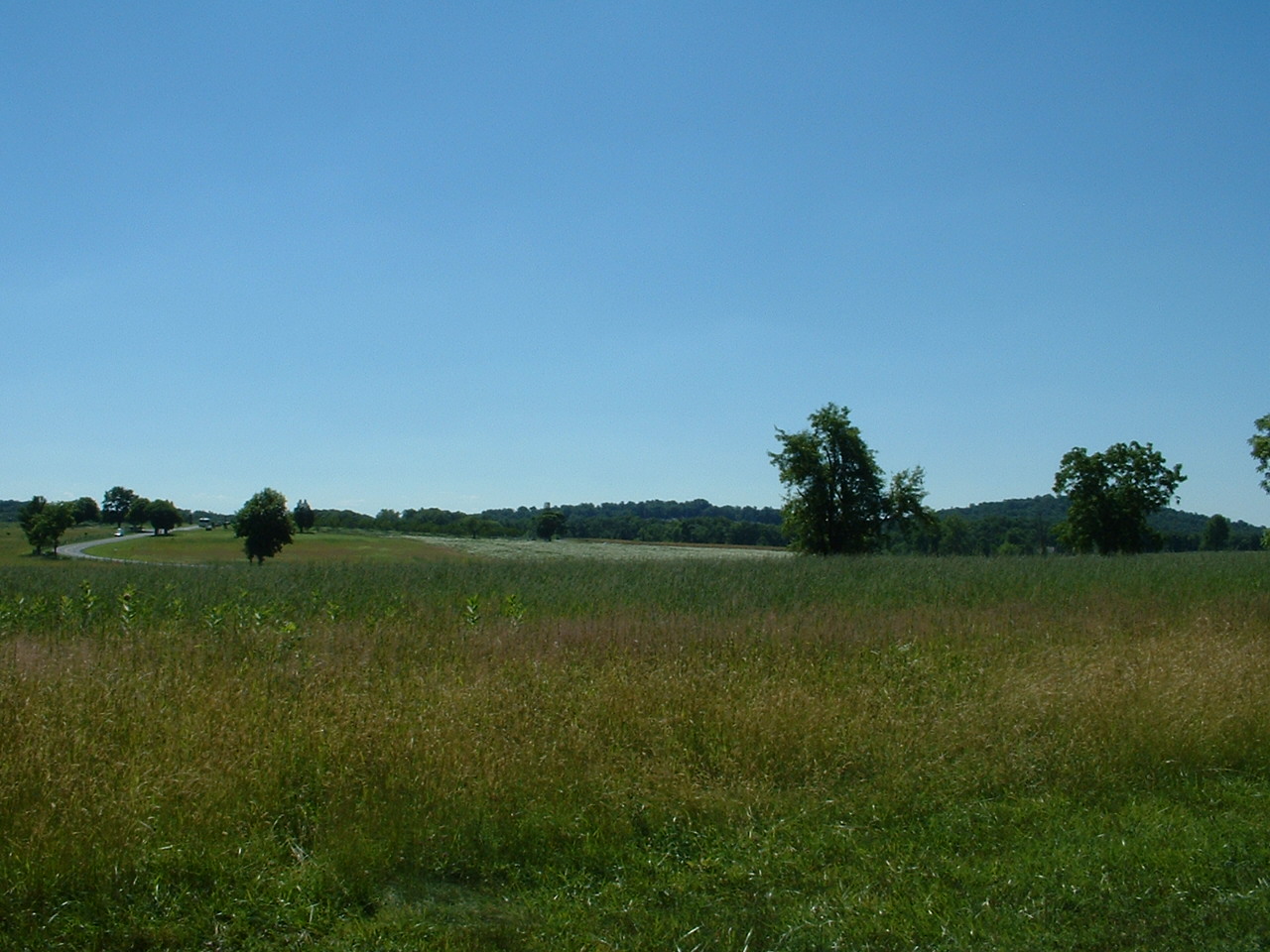
| Final assault of Pickett's charge. James McPherson: "So, forward they went into a chaos of exploding shells that dropped men at almost every step. On they marched, closing ranks and keeping alignment almost as if they were on the parade ground. It was an awesome spectacle that participants on both sides remembered until the end of their lives--which for many came within the next half hour. We share that awe as we walk across these fields toward the Union line, hearing in our imaginatino the explosions of shells and the screams of the wounded. As they approached the Union line, Pickett's division obliqued left so that the concentrated force of the attackers focused on that six-hundred-yard front. Yankee artillery and infantry waited behind their breastworks of fence rails and piled dirt and, for three hundred yards of that front, the protection of a stone wall." | The center of the Union position during Pickett's charge. Looking west towards the Virginia Monument (visible in distance) and Seminary Ridge. This area was the Confederates' ultimate objective: the copse of trees and angle (so-called because of two 90-degree turns in the stone wall). At first it appeared as if Pickett's men would hit the Union lines several hundred yards south (left) of this spot, but through a series of maneuvers he wheeled his command to strike here. | |||||||||||||||||||||||||||||||||||||||||||
|
||||||||||||||||||||||||||||||||||||||||||||
|
||||||||||||||||||||||||||||||||||||||||||||
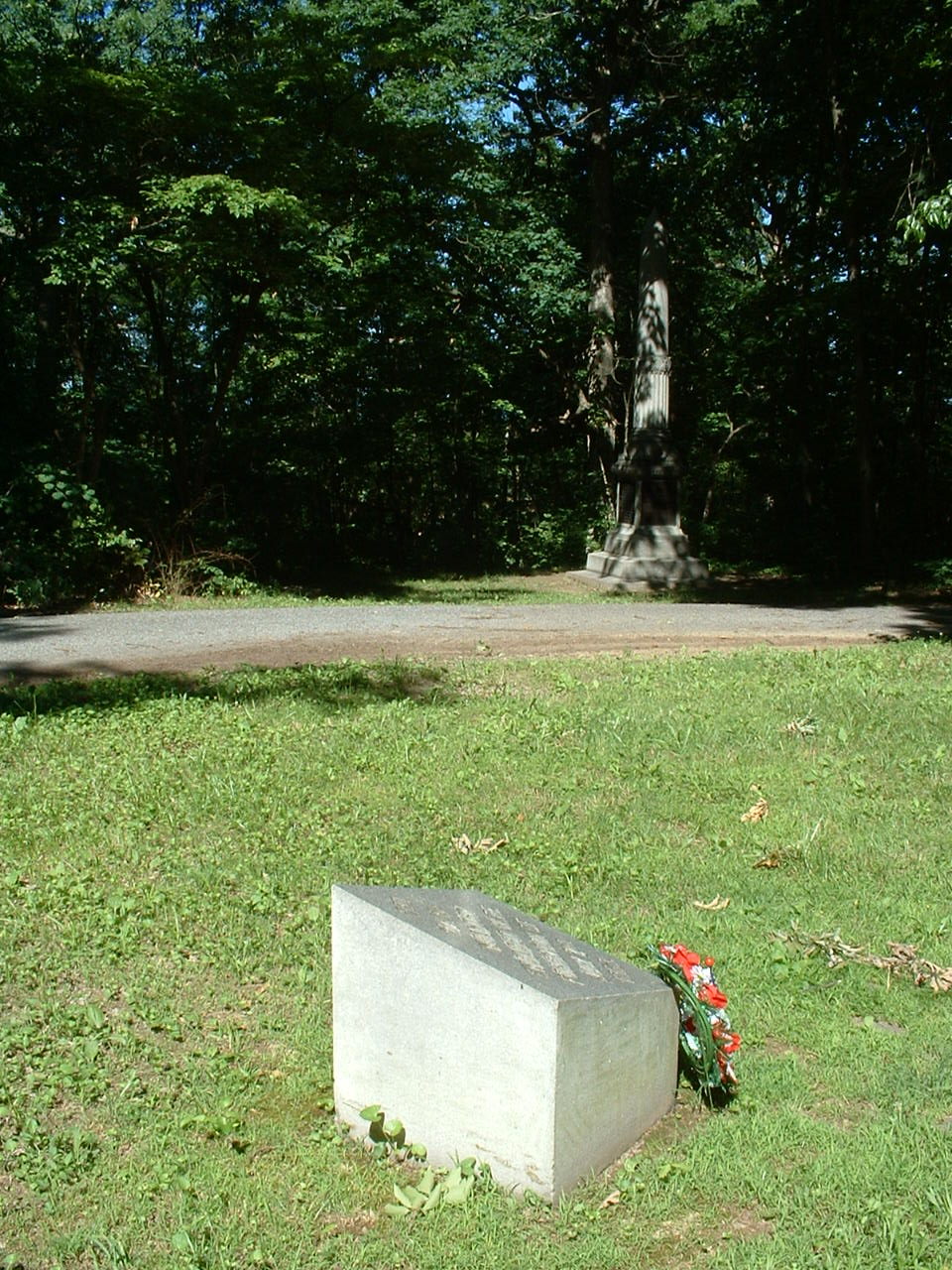
| 1st US Sharpshooters monument, Pitzer's Woods, west of Emmitsburg Road. At about noon on July 2, Maj. General Daniel Sickles, in charge of the Union III Corps, authorized a reconnaissance of these woods. Col. Hiram Berdan led four companies of sharpshooters and the 3rd Maine - some 300 men in all - forward to the area south of here, then swept north through these woods. Here they encountered Confederates from Hill's corps. After a sharp, short firefight, Berdan withdrew. When reports of the skirmish reached Sickles, the general decided to redeploy his corps westward from Cemetery Ridge, a decisision that nearly cost the Union the battle of Gettysburg. | ||||||||||||||||||||||||||||||||||||||||||||
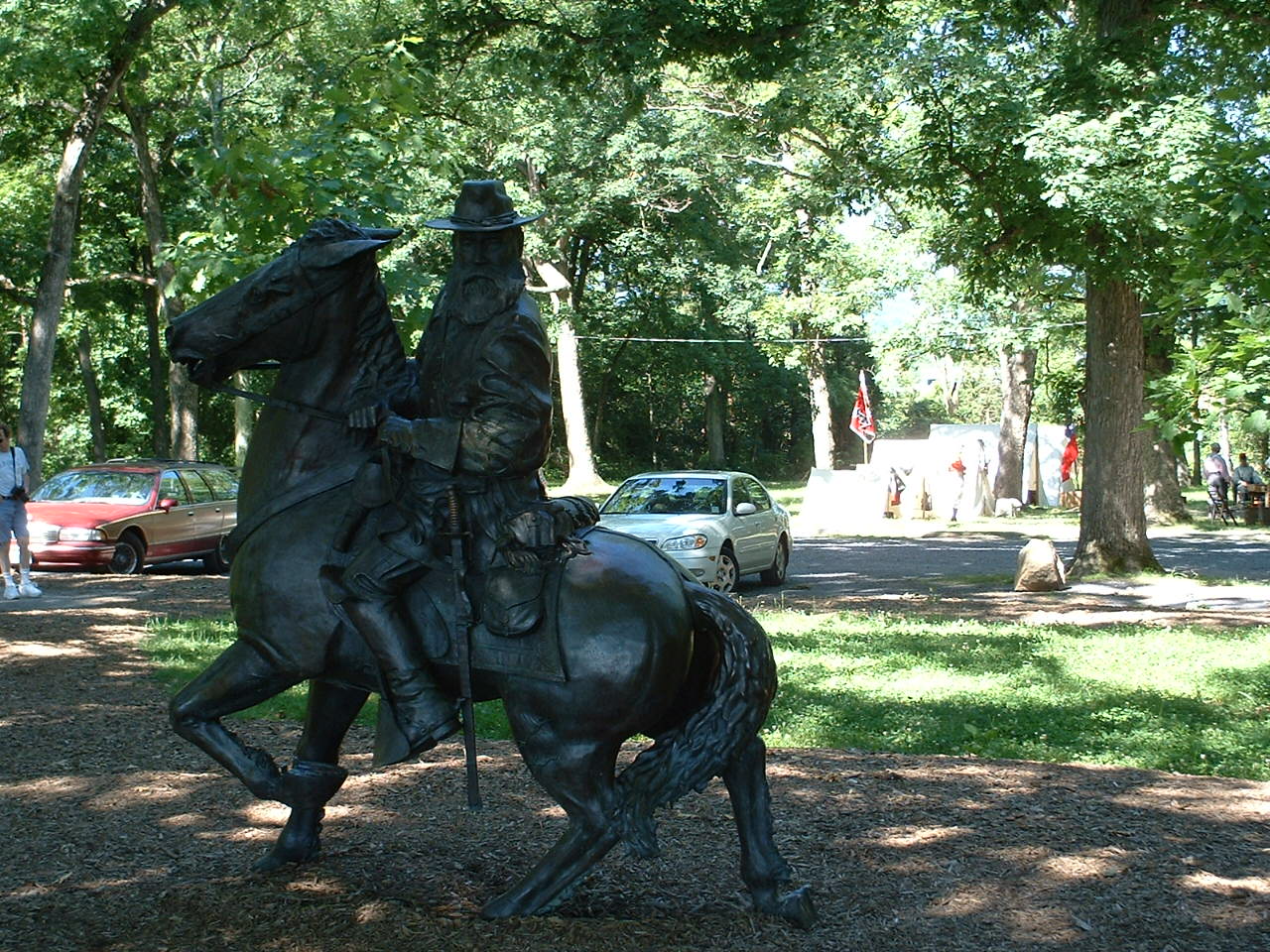
| General James Longstreet monument. The ONLY General James Longstreet monument. Obviously, he wasn't well liked in the south. (see Mike Lynaugh's text in quotes). Some say the monument is relatively small and the general is on the ground, not on top of a pedestal as most generals are, for a reason. "Even today, over 140 years after the fighting here subsided, people still debate if it was General Longstreet's fault that the Confederacy was defeated here. As post-war debates became widespread as to exactly where the South may have gone wrong, attention centered on the Battle of Gettysburg as the turning point. Lee refused to join in any such debate and died in 1870 without any response to the discussion. Many southern political leaders and former generals, including Jubal Early and Sandie Pendleton, were quick to point out that Longstreet had not cooperated with Lee at Gettysburg by not supporting his commander's wishes as fully as he should have. Longstreet responded with criticisms of Lee's field decisions and strategy. By this time, the stature of Lee was so great and his abilities as a southern commander so highly regarded that many in the South saw Longstreet's comments as treachery. The war of words continued until the last days of General Longstreet's life, though he was exonerated time and again by the veterans who had marched, fought, and bled under his command on many a battlefield. " (Mike Lynaugh) | ||||||||||||||||||||||||||||||||||||||||||||
|
||||||||||||||||||||||||||||||||||||||||||||
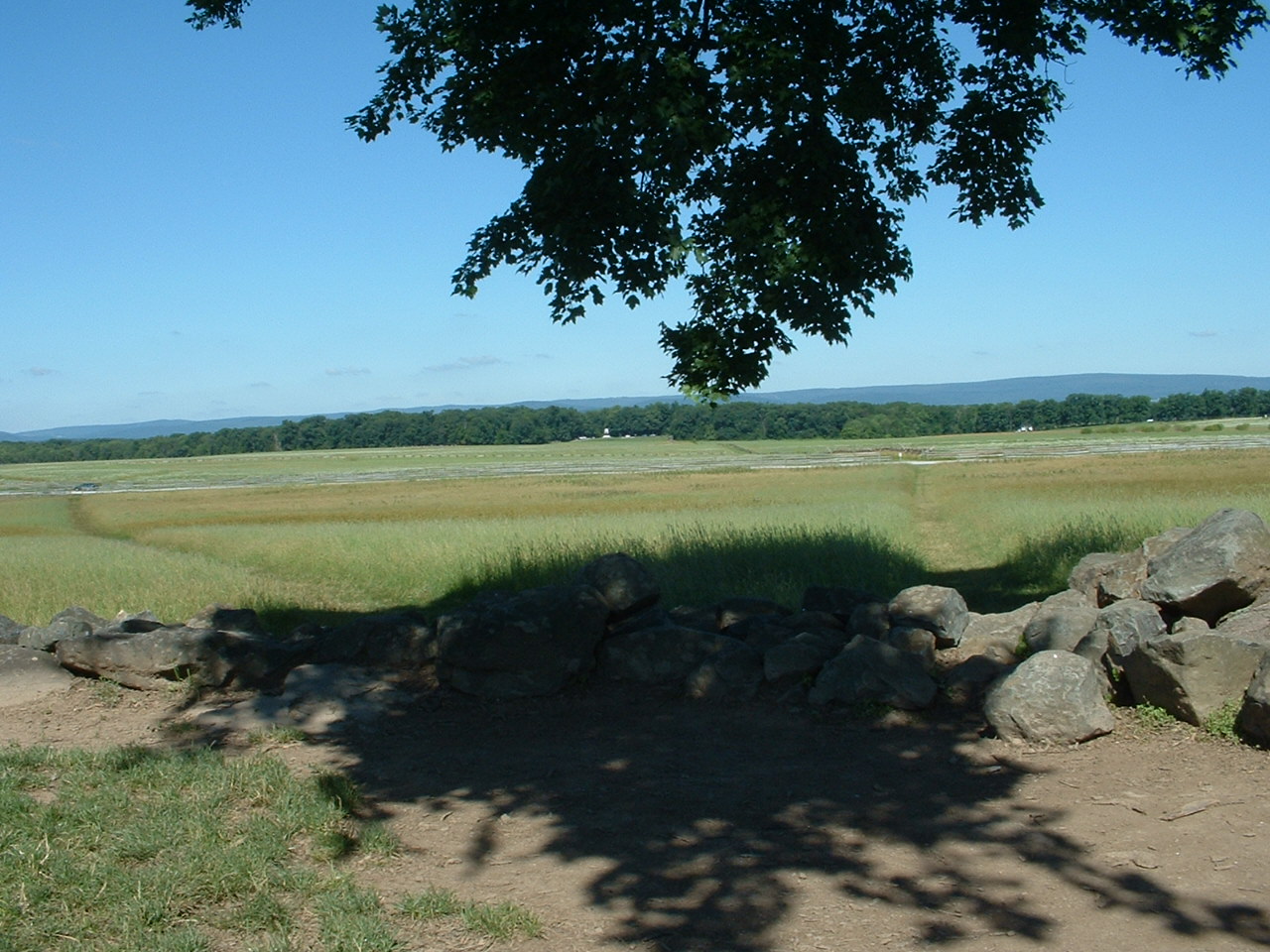
| From Warfield Ridge looking east. The Peach Orchard is in the distance on the left, Little Round Top in the center, and Big Round Top on the right. On the morning of July 2, Lee ordered Longstreet to march the divisions of Hood and McLaws southward in preparation for an attack against the Union left. Longstreet countered by suggesting that he take his men around the south end of the Army of the Potomac and force them to evacuate their position and attack the Confederates. Lee, encouraged by reconnaissance reports that there were no Union forces from the Peach Orchard east to the Round Tops, held to his original plan of attack. Some observers have accused Longstreet of moving too slowly, perhaps as a silent protest against the operation. Others criticize his handling of the march itself. When Union observers on Little Round Top saw his movements, Longstreet retraced his steps in a time-consuming countermarch. It was not until mid-afternoon that his men reached this area. (Gettysburg: A Battlefield Guide) | ||||||||||||||||||||||||||||||||||||||||||||
|
||||||||||||||||||||||||||||||||||||||||||||
|
||||||||||||||||||||||||||||||||||||||||||||
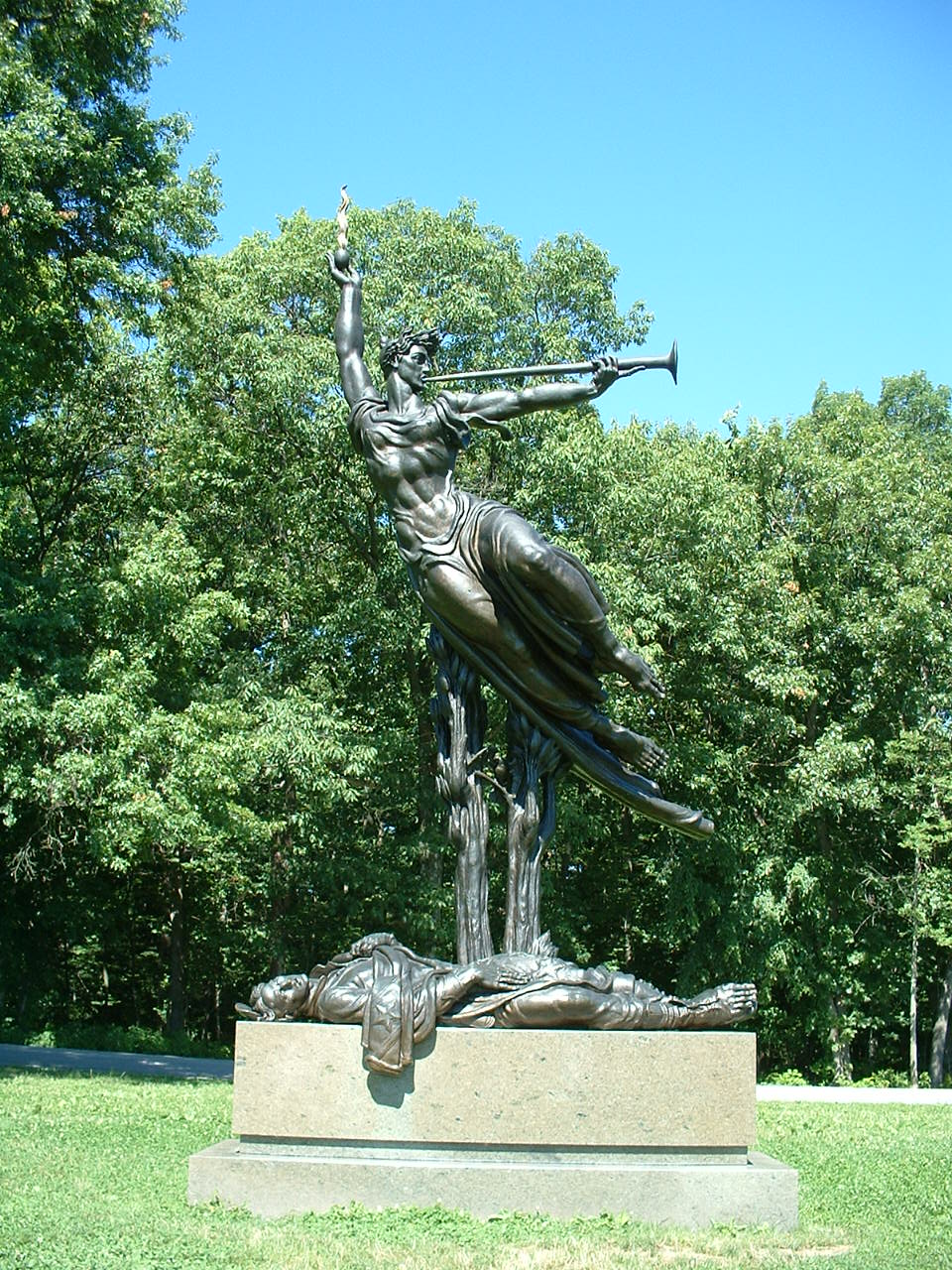
| Louisiana Monument. Confederate monuments at Gettysburg were late in coming, mainly due to the fact that the Southern states in the years after the war lacked any funds to erect them. When they did begin to erect them, the monuments are some of the most dramatic in the Park. This is the Louisiana monument, entitled "Spirit Triumphant", and was erected in 1971. It was also the last state monument to be erected at Gettysburg. The Louisiana Monument is located on Seminary Ridge. (Ed Conner) | ||||||||||||||||||||||||||||||||||||||||||||
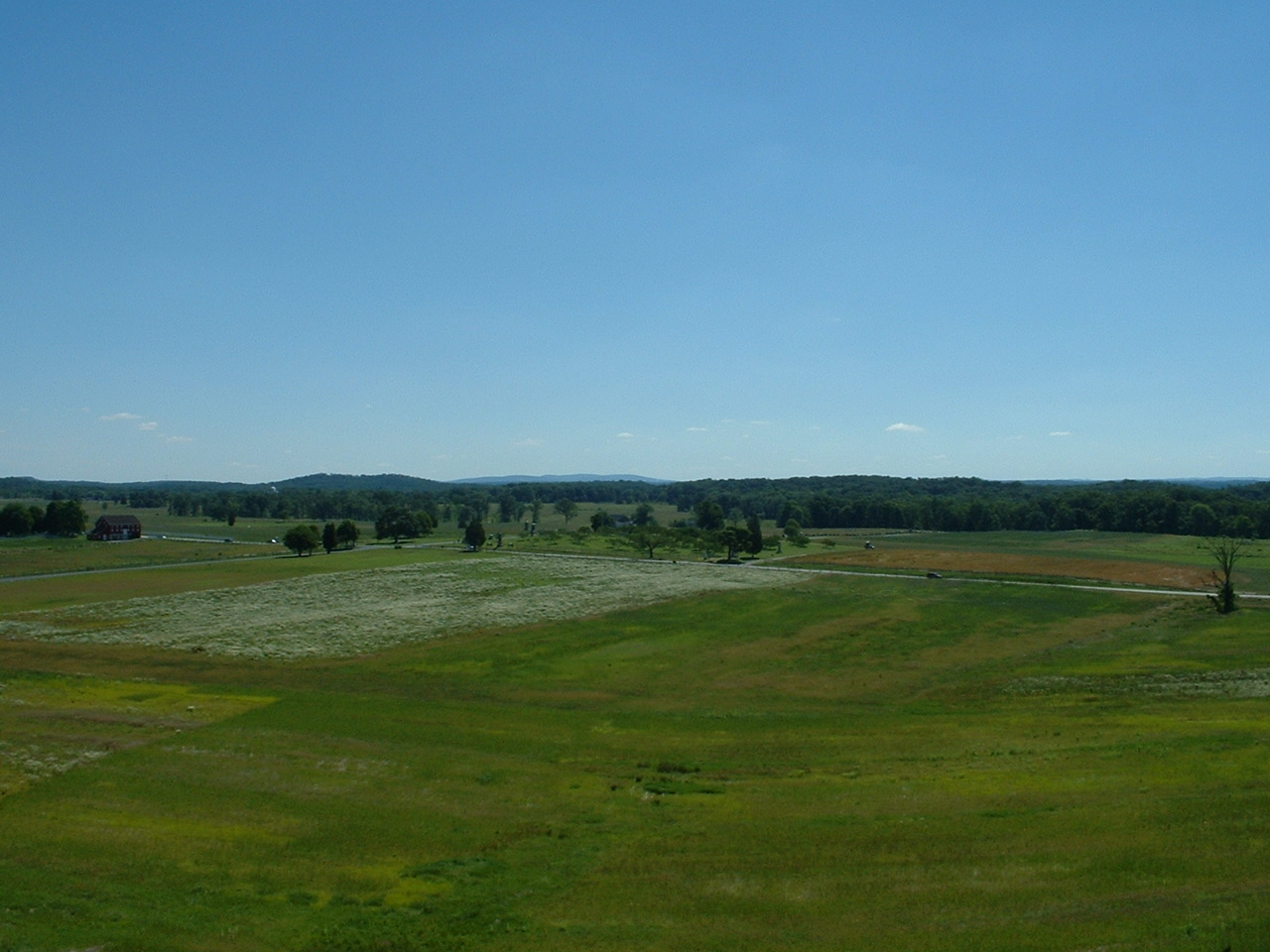
| The Peach Orchard is in the center of this photo from the Warfield Ridge observation tower. The peach trees there today cover less than half the acreage of its historic predecessor. The advanced Union line arranged by General Sickles stretched from Devil's Den to this point- the Peach Orchard, then angled northward (left in this photo) on the Emmitsburg Road. This orchard at the intersection of Wheatfield Road and the Emmitsburg Road was owned by Joseph Sherfy whose house sat on the west side of the Emmitsburg Road. Mr. Sherfy maintained a substantial orchard of peach and apple trees and operated a small fruit canning business from his home. Not only were Mr. Sherfy's orchards ruined during the battle, but his house was ransacked, his fences torn apart by Union troops and then Confederate artillerymen, his fields were covered with the dead, and his barn burned to the ground at the height of the fighting. To make the Peach Orchard a strong position, four Union batteries were initially posted here. These guns bombarded southern forces on Warfield Ridge and fired on Kershaw's men crossing the Rose Farm to attack the Wheatfield. The batteries continued firing until about 6:30 P.M. when a final Confederate charge by General William Barksdale's Mississippi brigade shattered the position. James McPherson calls the fighting here "some fo the most intense fighting and concentrated carnage of the whole Civil War." (National Park Service) | ||||||||||||||||||||||||||||||||||||||||||||
|
||||||||||||||||||||||||||||||||||||||||||||
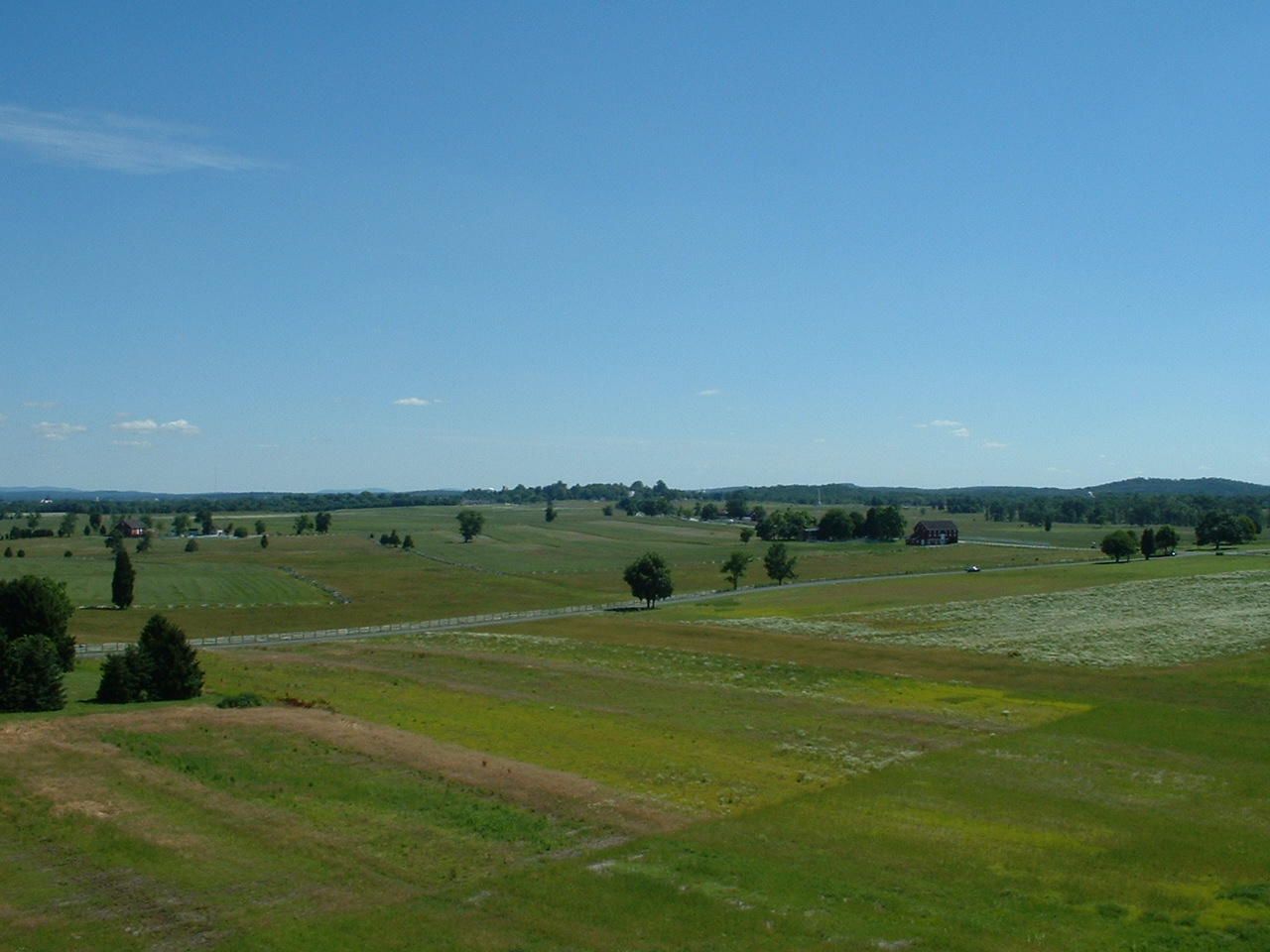
| Looking northeast from the Warfield Ridge observation tower. Wheatfield Road cuts across the photo from left to right. Emmitsburg Road is at the top of the picture, running right to left. The John Sherfy farm is in the middle, north of the intersection of the two roads. The Peach Orchard is just out of view on the right. What Longstreet encountered here is not what he had expected--Union infantry and artillery in place in a line running south along Emmitsburg Road to the Peach Orchard and then eastward toward Little Round Top. These were the two divisions of Sickles's III Corps. | ||||||||||||||||||||||||||||||||||||||||||||
| Be sure to sign the GuestBook by clicking here. Click here to continue your tour! |
||||||||||||||||||||||||||||||||||||||||||||
| E-mail me with your comments and suggestions! | ||||||||||||||||||||||||||||||||||||||||||||
| Page 1 | Page 2 | Page 3 | Page 4 | Page 5 | Page 6 | Page 7 | Page 8 | Page 9 | ||||||||||||||||||||||||||||||||||||