
Click here to continue your tour!
|
|
|
|
|
|
|
|
|
|
|
|
|
|
|
|
|
|
|
|
|
|
|
|
|
|
|
|
|
|
|
|
|
|
|
|
|
|
|
|
| Gettysburg (continued) | |||||||||||||||||||||||||||||||||||||||
| For a closer look at each picture, simply click on it. Then click the "Back" button at the top left of your browser screen to return to this page. Enjoy! | |||||||||||||||||||||||||||||||||||||||
|
|
||||||||||||||||||||||||||||||||||||||
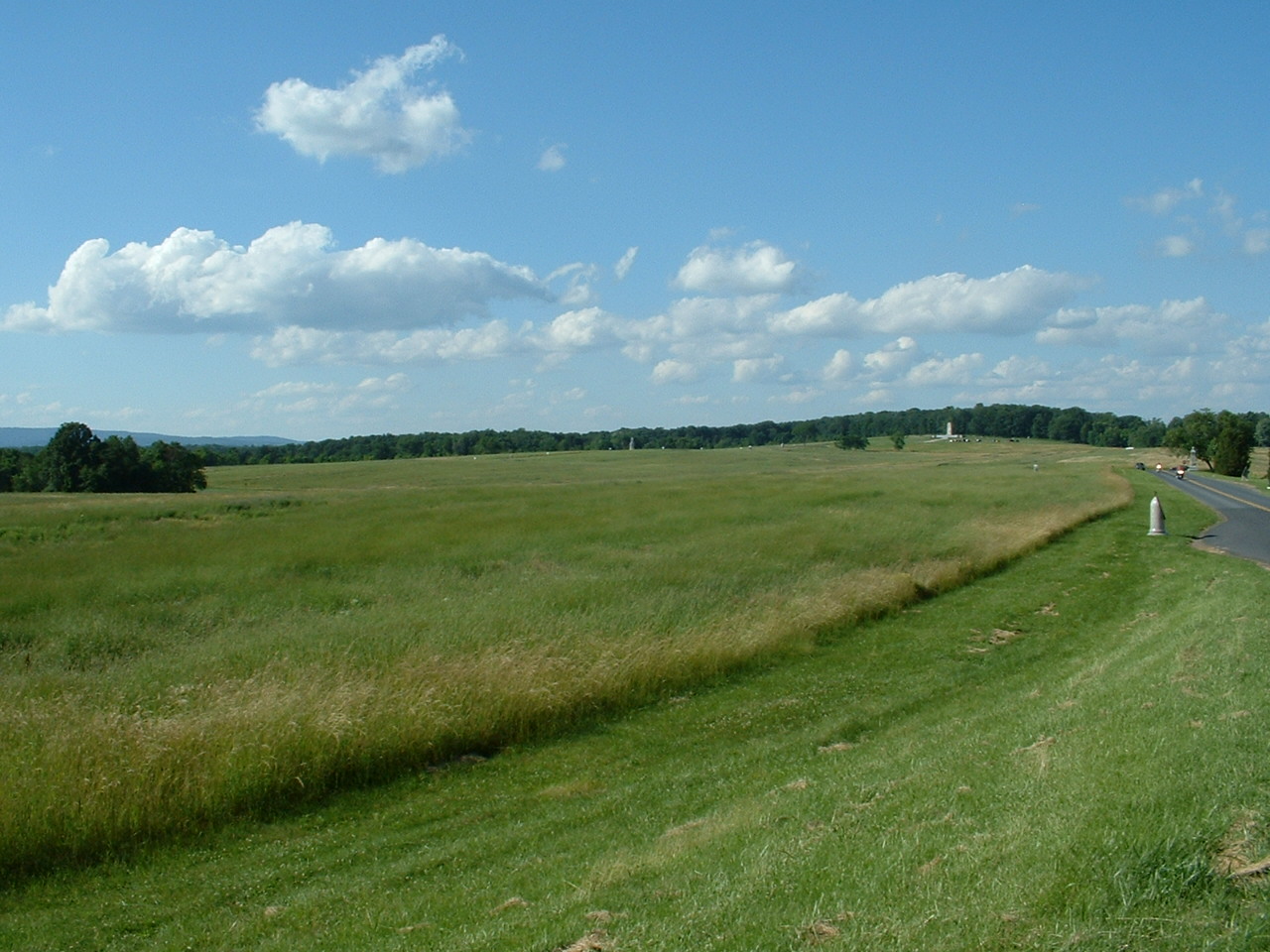
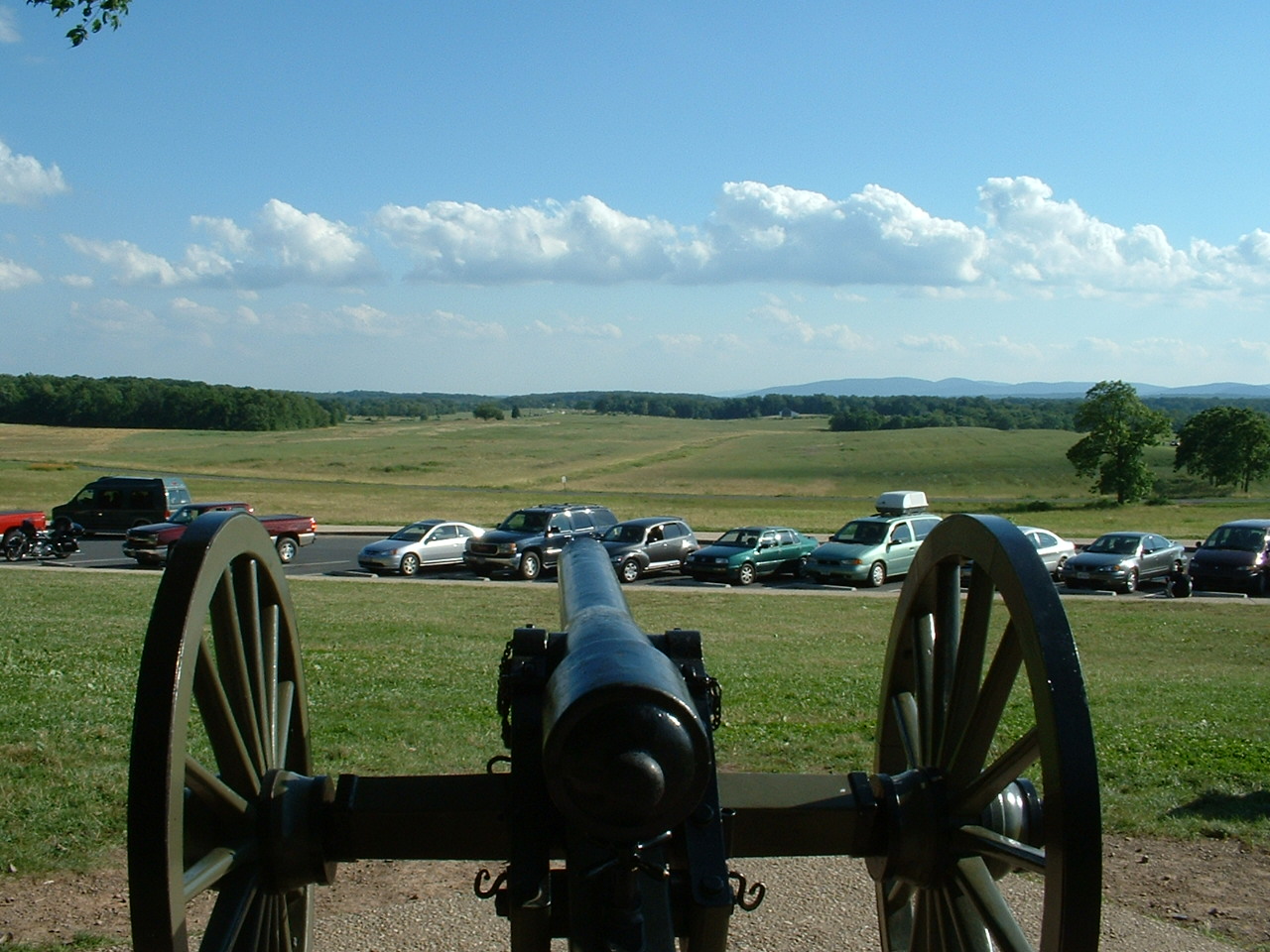
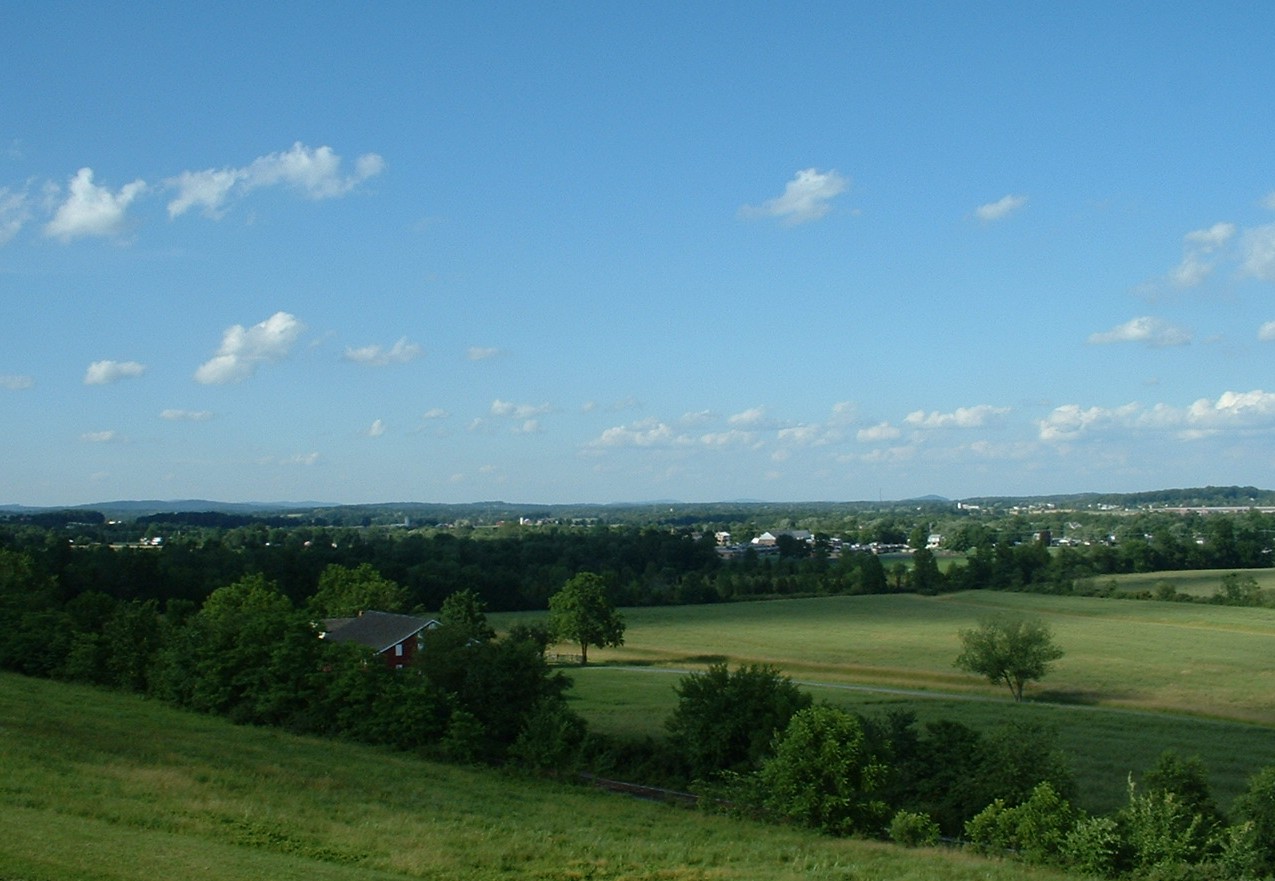
| Looking west across the McPherson farm from the area of the Doubleday monument and where Reynolds was fatally shot. Notice the slight rise of McPherson Ridge. Behind you in the photo is another rise: Seminary Ridge. Buford is credited with great skill in placing his artillery and troops along these ridges in his vital defense of the field in the morning and afternoon of the first day. Had he not held, there might not have been a day two and three of the battle. | Looking west. On July 1, 1863, there were no tracks yet laid in what became known as the "unfinished railroad cut." While the Iron Brigade deployed into Herbst Woods, a second brigade under Lysander Cutler took up a position in this area. Two of Cutler's regiments (76th New York and 56th Pennsylvania) deployed behind you in this picture, in the valley between Seminary Ridge and East McPherson's Ridge. Thus shielded from Confederate artillery fire they advanced in line of battle towards West McPherson's Ridge in front of you. Confederate infantry suddenly appeared where the railroad cut crosses West McPherson's Ridge in front of you. Simultaneously, two Confederate regiments confronted the 56th Pennsylvania and 76th New York from a wheatfield beyond the railroad cut, to your right. The Union regiments were forced to retreat. | ||||||||||||||||||||||||||||||||||||||
|
|||||||||||||||||||||||||||||||||||||||
|
|||||||||||||||||||||||||||||||||||||||
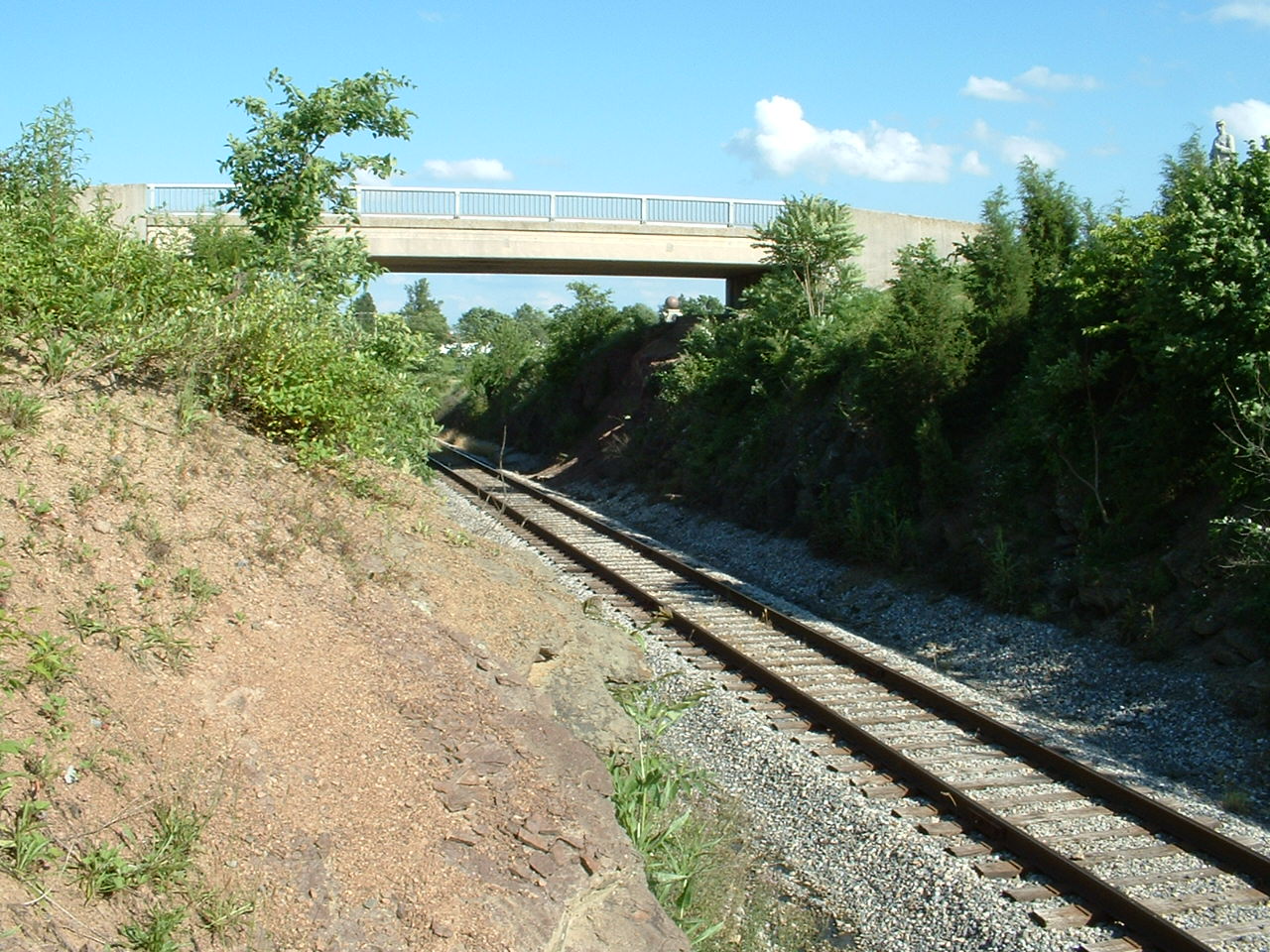
| Looking east. Driving back Cutler's men, Confederate General Joseph Davis turned his regiments southward to attack the Union units around the McPherson Farm. One lone regiment, the 6th Wisconsin Infantry, blocked their way. Commanded by Lt. Colonel Rufus Dawes, the 6th Wisconsin had been detached from the Iron Brigade as a reserve and seeing the retreat of Cutler's troops, Dawes had moved his regiment to the Chambersburg Pike where they rested behind a solid rail fence that lined the road. The opponents immediately opened fire as the southerners crossed over the railroad bed. The 95th New York Infantry arrived and moved adjacent to the 6th Wisconsin as the men clambered over the fences. The two regiments charged across 400 yards of open field toward the blazing railroad bed, filled with soldiers of Davis' Brigade. The 2nd and 42nd Mississippi regiments and 55th North Carolina were intermingled in the confusion, but turned their rifles toward the Union troops with deadly accuracy. As Dawes' dwindling ranks closed in on the southern line, many Confederates turned and ran into the deep portion of the cut through McPherson's Ridge. (Gettysburg: A Battlefield Guide) | |||||||||||||||||||||||||||||||||||||||
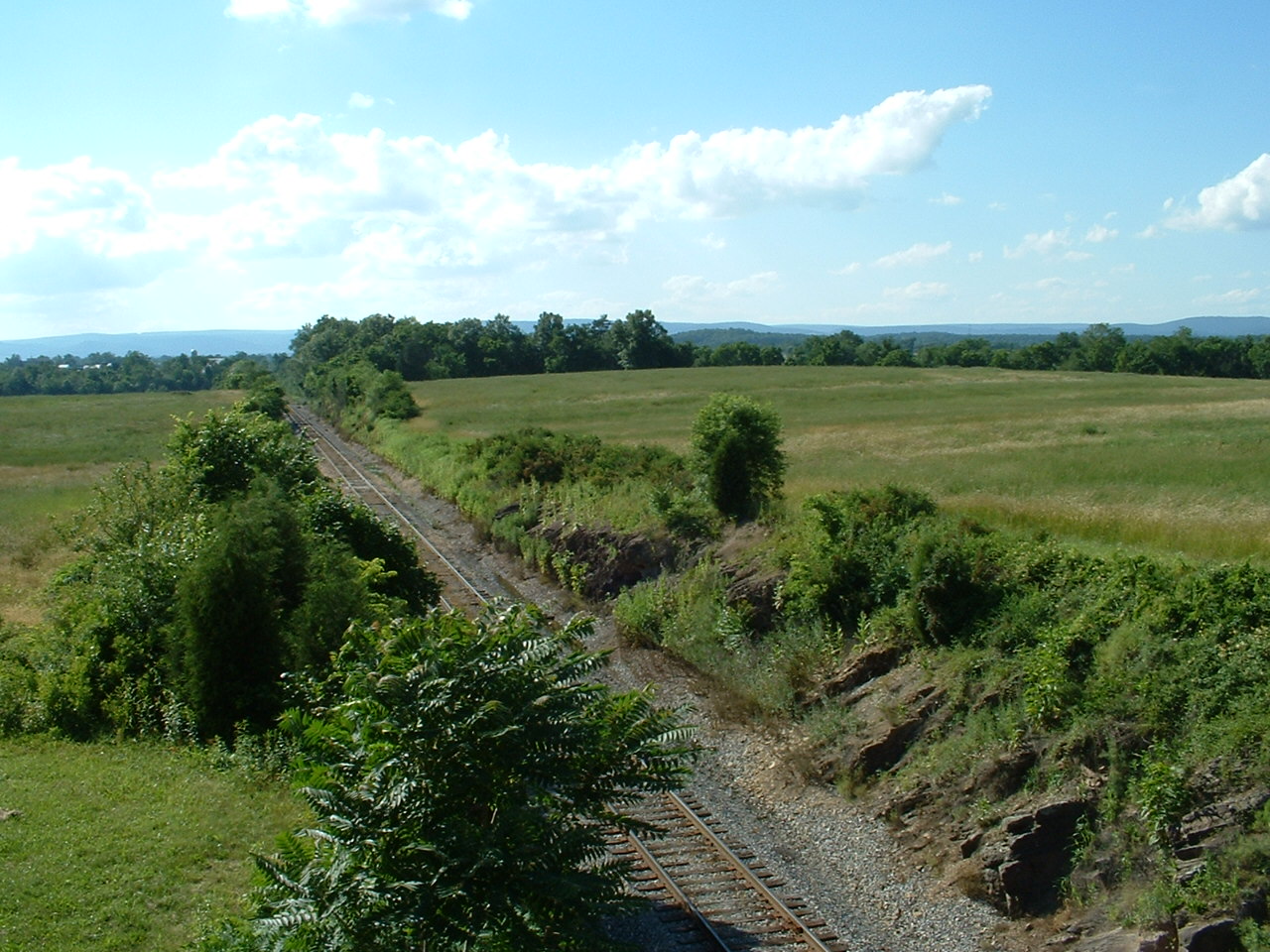
| Looking north towards Oak Hill from the unfinished railroad cut. Eight thousand Confederates under Rodes marched south along Middletown Road (PA 34) when the men heard the sound of the morning's battle. Rodes decided to take advantage of the cover provided by the ridge and woods on Oak Hill. Rodes aligned his five brigades in the woods and moved south to attack, deploying his artillery on the hill. Cutler's brigade took cover in the railroad cut. | |||||||||||||||||||||||||||||||||||||||
|
|||||||||||||||||||||||||||||||||||||||
|
|||||||||||||||||||||||||||||||||||||||
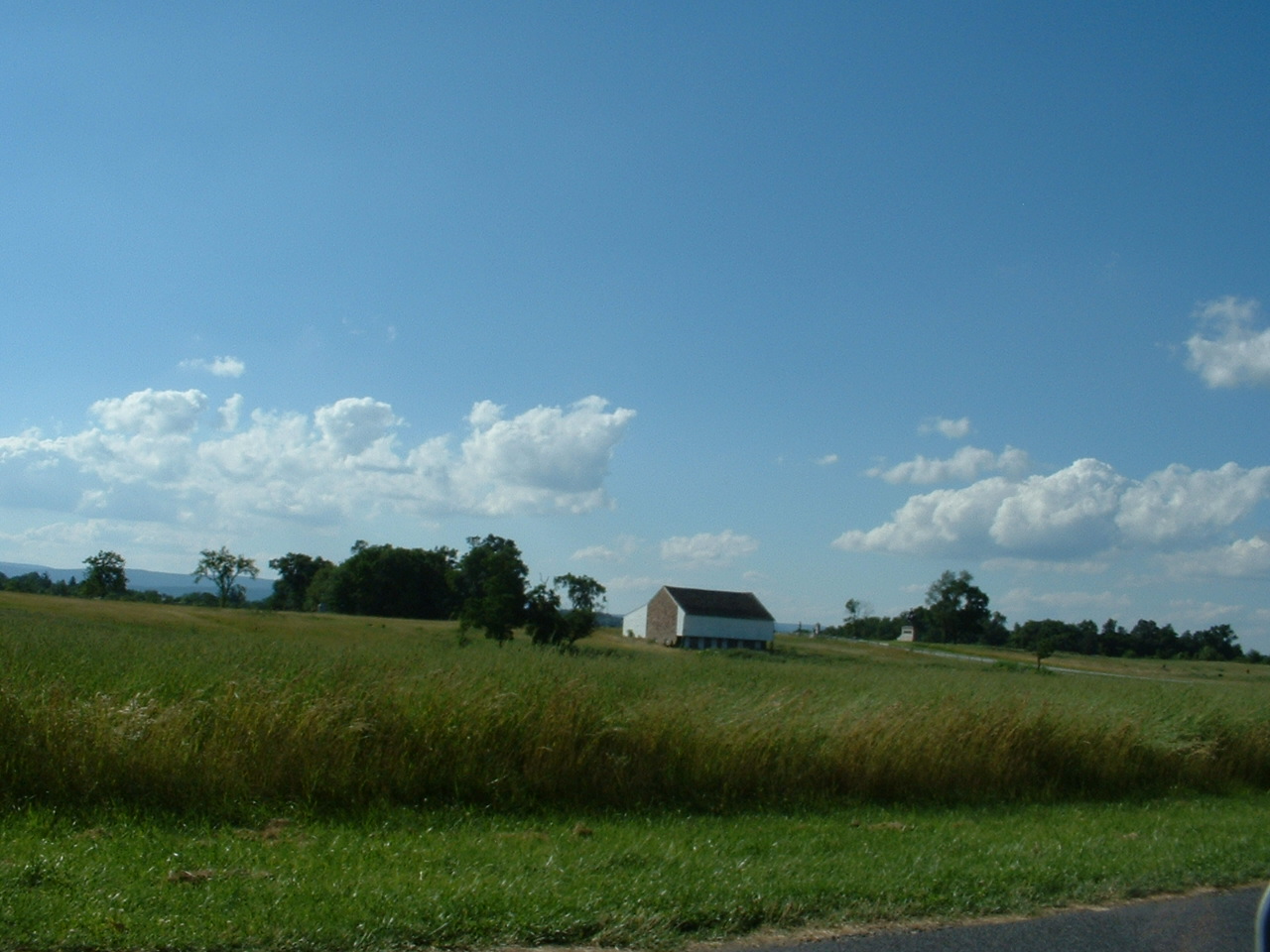
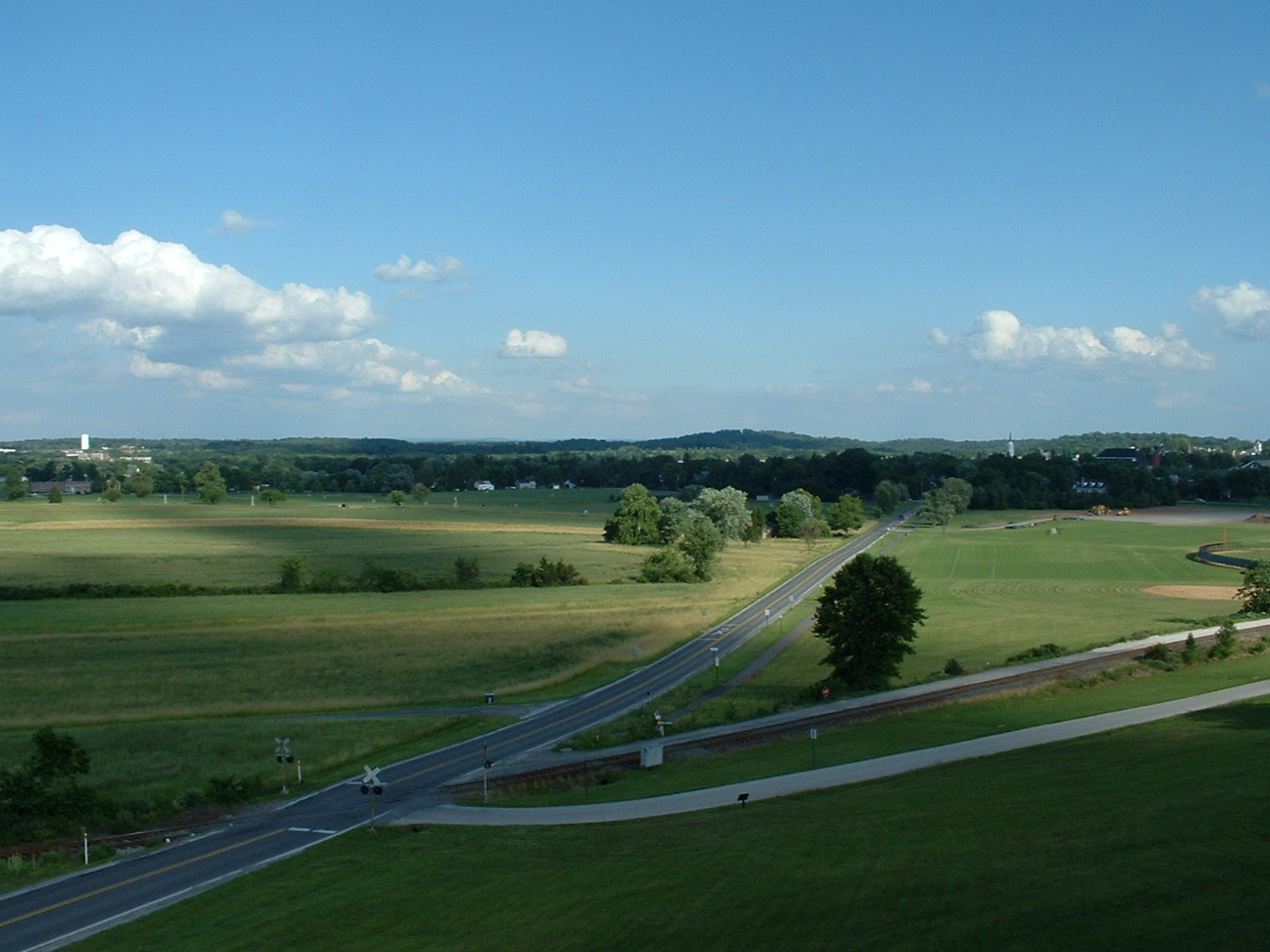
| Looking south. Oak Hill was an important position for the Confederates on July 1st. The gentle slope of this hill and open terrain to the south offered an excellent field of fire for artillery that could send shells into the Union positions at the McPherson Farm and Seminary Ridge, with little opportunity for the Union gunners to reply. A part of the John Forney Farm, Oak Hill rises just north of the Mummasburg Road (center of photo) and in 1863 had an expansive apple orchard on its southern slope. Some time after noon, the Confederate infantry division of Major General Robert E. Rodes arrived and deployed behind the hill, using trees to screen their movement from Union observers. Having received word that troops from A.P. Hill's Corps were going to attack at 1 P.M., Rodes moved his infantry southward to attack from this hill and threaten the Union forces in positions on the McPherson Farm and Oak Ridge. Confederate gunners set up their artillery pieces amongst the fruit-laden trees of Forney's orchard and opened fire on the Union positions approximately one-half mile to the south once the infantry had passed through. Rodes watched his formations go forward. "(The enemy) had apparently been surprised;" Rodes reported, "only a desultory fire of artillery was going on between his troops and General Hill's; but before my dispositions were made, the enemy began to show large bodies of men in front of the town." Seeing Union troops move up the ridge toward Oak Hill, Rodes quickly ordered three of his brigades to attack. But the movement was uncoordinated and two of his brigades faltered when they encountered stiff Union resistance, heavy artillery fire and unforeseen obstacles. The McPherson barn can be seen in the distance in the middle of this photo. (National Park Service) | |||||||||||||||||||||||||||||||||||||||
| Looking northeast from Oak Ridge. The McLean farm is behind the trees in front. Iverson's and O'Neal's brigades (Confederate) were ordered to advance (toward you in the picture) along Oak Ridge and attack Baxter's newly acquired position. Instead, Iverson delayed the attack so that the artillery atop Oak Hill could inflict more damage upon Baxter. That left O'Neal in front alone and approaching Baxter who was positioned behind a stone wall along Mummasburg Road (to the right of the picture). Baxter made short work of O'Neal and inflicted over 40% casualties (both O'Neal and Iverson themselves amazingly did not accompany their brigades). | |||||||||||||||||||||||||||||||||||||||
|
|||||||||||||||||||||||||||||||||||||||
| Baxter positioned four of his Union regiments - the 13th MA, 90th PA, 83rd NY and 88th PA (left to right) - along a fence bordering the south side (right side) of Mummasburg Road. In this photo they ran from just beyond the railroad tracks to out of the picture in the lower left. O'Neal's Confederates never got close. | |||||||||||||||||||||||||||||||||||||||
|
|||||||||||||||||||||||||||||||||||||||
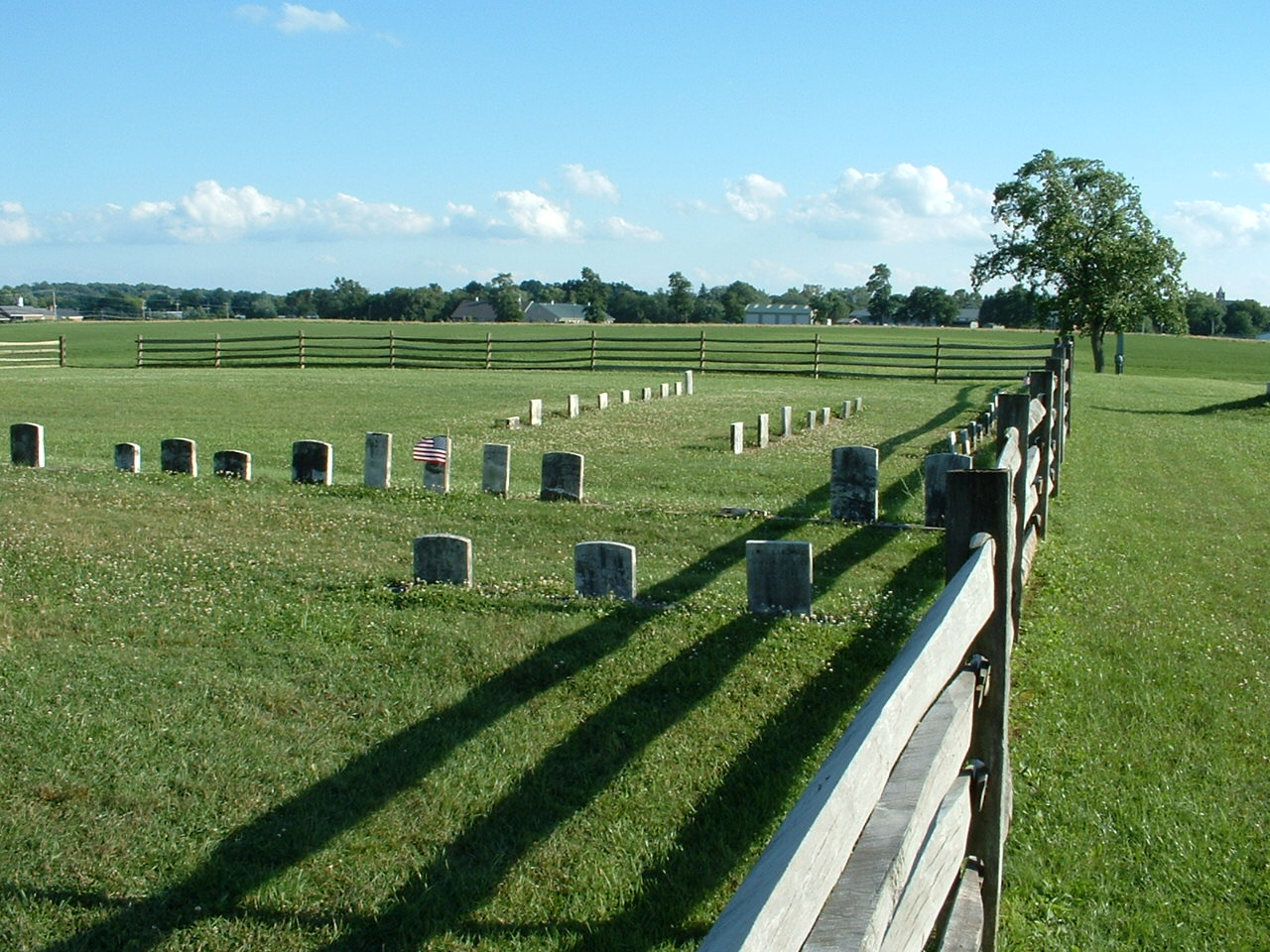
| Alms House Cemetery. Near Barlow's Knoll. The Union XI Corps advanced and retreated over this ground. Not too much is known of the cemetery, other than the fact there once was a home for the indigent at the site. As some of the occupants passed away, they were buried in the cemetery. Somewhere in the spectrum of time, the Old Alms House was removed from the area. | |||||||||||||||||||||||||||||||||||||||
| Be sure to sign the GuestBook by clicking here. Click here to continue your tour! |
|||||||||||||||||||||||||||||||||||||||
| E-mail me with your comments and suggestions! | |||||||||||||||||||||||||||||||||||||||
| Page 1 | Page 2 | Page 3 | Page 4 | Page 5 | Page 6 | Page 7 | Page 8 | Page 9 | |||||||||||||||||||||||||||||||