
Definition
and Properties of Laser Light
Laser Types and Classifications
Laser Biological Hazards
The word "LASER" has become a household word, but it didn't start out as a word. It is actually an acronym for:
Light
Amplification by the
Stimulated
Emission of
Radiation

Properties
First, let's discuss the properties of laser light and then we will go into how is is created. Laser light is monochromatic, directional, and coherent.
Monochromatic
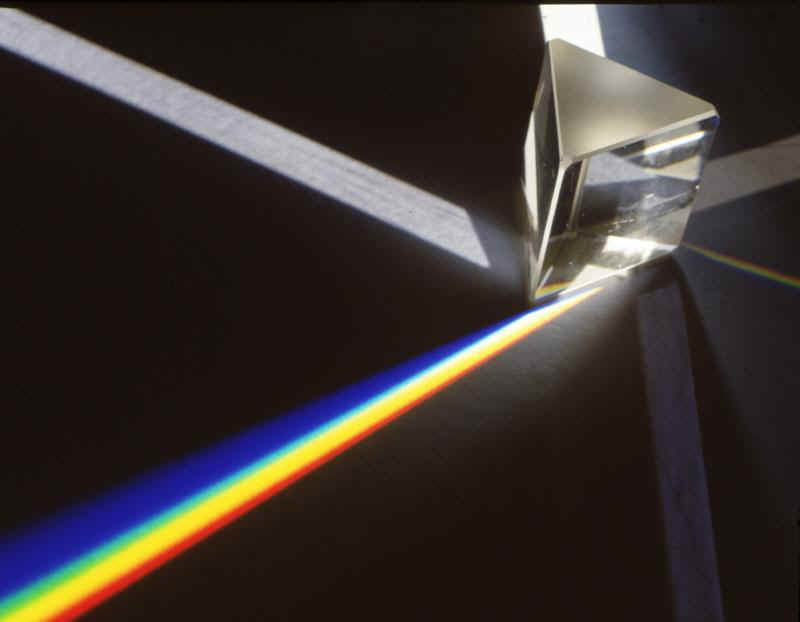
The light emitted from a laser is monochromatic, that is, it is of one wavelength (color). In contrast, ordinary white light is a combination of many different wavelengths (colors).
Directional
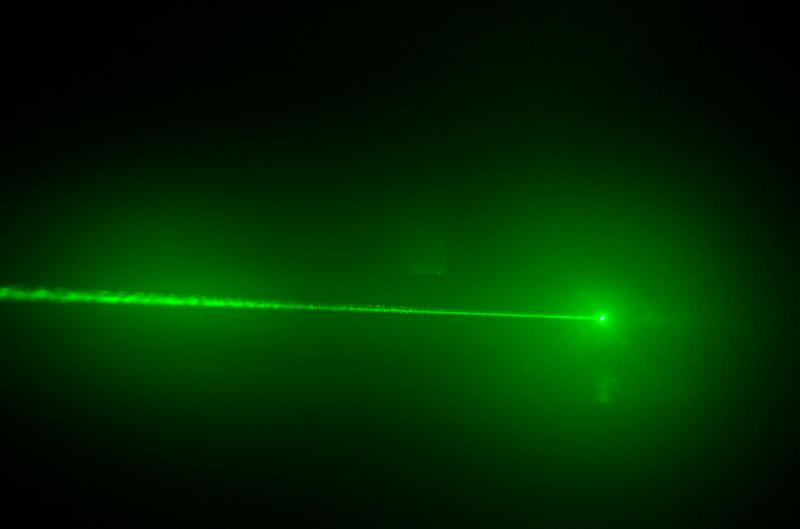
Lasers emit light that is highly directional. Laser light
is emitted as a relatively narrow beam in a specific direction. Ordinary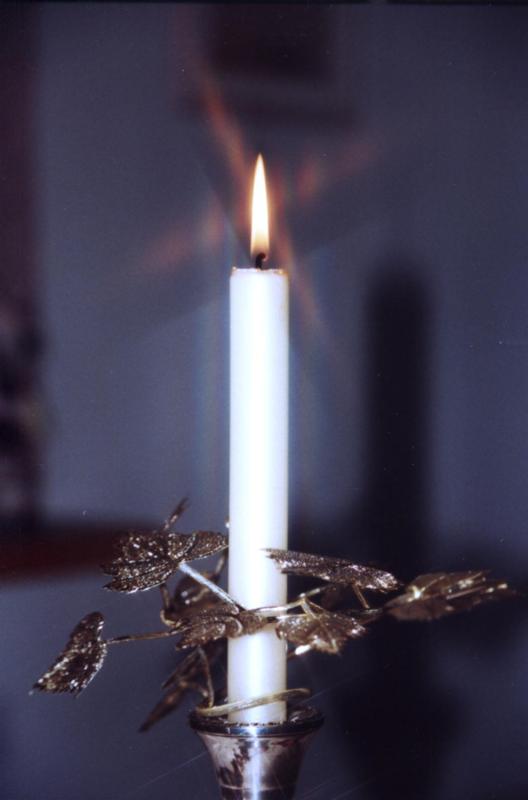 light, such as coming from the sun, a light bulb, or a candle, is emitted in many
directions away from the source.
light, such as coming from the sun, a light bulb, or a candle, is emitted in many
directions away from the source.

Coherent

The light from a laser is said to be coherent, which means the wavelengths of the laser light are in phase in space and time.
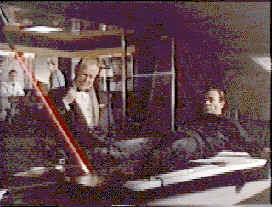
These three properties of laser light are what make it more of a hazard than ordinary light. Laser light can deposit a great deal of energy within a very small area - as James Bond nearly found out in Goldfinger!


