|
|
|
Tents This section is divided into two sections: Where to set up your tent: Being able to identify a good place to set up your tent is probably more important then being able to set the tent up. This may sound weird, but most of the problems people have with there tents are a result of poor location. When looking for a place to set up your ten there are three things you should look for: slope, wind cover and surface type. Slope: Ideally your tent should be on a high place, of if this is not possible on a slight slope. This will prevent water from collecting on the floor. Any dips or other low places should be avoided at all cost, as these areas may fill with water. Wind Cover: Cover from wind (and other elements) is also important when selecting a site. Finding a sheltered spot can have several advantages. The first advantage is that you are less likely to have the tent damaged by wind. Secondly the additional shelter can blunt the effects of weather. A stand of trees that break up the wind and rain can make the difference between having a cold and wet night, or a warm and (relatively) dry one. Finally a sheltered location also makes activities outside of your tent (cooking...) more bearable. During the snow season avoid setting up underneath trees. If a tree gets a full load of snow and dumps it on your tent it could damage, or even destroy, your tent. In the snow less months trees can provide an excellent wind and rain break, but be careful that there isn't an indentation underneath the tree (see the slope section for why...). Surface Type: The final thing to look for is what the ground itself is like. Boggy ground should be avoided at all cost. Although beautiful, lake and river side locations should be avoided. These areas make bad camp locations because they tend to have damp soils (which can leach into your tent), and because these area's are environmentally fragile. Look for locations with firm, dry soil. Rocky locations are also good, but can make for an uncomfortable night. Alpine area's are very fragile (some of those tiny plants have taken over a decade to get to their size). If you must camp in an alpine area don't leave your tent in one place for a long time, and if possible camp in a rocky area where the impact of your tent will be minimal. Matching a tent to your needs: Choosing the right tent can be difficult. There are so many choices out there. There are dome tents, a-frames, bivi sacks, three-season, four-season, single wall tents, free standing tents, pop up tents, tents with vestibules, biking tents, hiking tents and so on. The secret to getting a good tent is to buy one that suits your needs. The first thing you have to look at is what will the tent be used for. If the tent is to be used at a standing camp, or if you only car-camp, size and weight wont matter much, as you will not be moving the tent over large distances. I wont be discussing these tents much, but picking one of these is much like picking a backcountry tent, except that you don't have to worry about size or weight as much. If you are planning on using the tent for backcountry travel size and weight become your primary concerns. Because of this you should never buy a tent that holds more then three people if you intend to use it for backcountry travel. If you plan on doing both types of camping your options are to either use a backcountry tent for both, or buy two tents. Once you've determined what type of camping your tent is going to be used for, the next step is to determine what seasons you're tent will be use in. Backcountry tents are decided into two seasonal categories: three and four season tents. Three season tents are good for all seasons but winter. These tents make excellent backpacking tents because they are light weight, and tent to pack up small. Four season tents are much the same, except that they tend to have stronger poles, and thicker material (in order to support the weight of snow). They are heavier then three season tents, but if you plan on winter camping, this type of tent is a must.
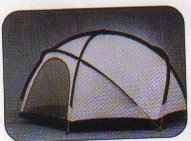
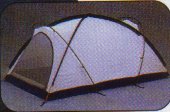
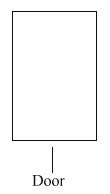
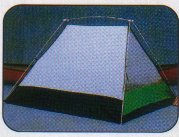
The next step is to decide what style of tent you want. Backcountry
tents come in three main styles: dome, tube (box) and a-frame. Below are
pictures showing these styles of tents (without flys).
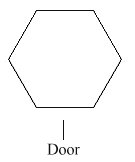
Each of these steps has its own advantages and disadvantages. Dome tent's have the advantage that they are free standing (they don't need pegs). This makes set up easier. Also dome tents have high roof's, giving more space in the tent to change. Dome tents also have steep sides, which allows easy shedding of snow. They main disadvantage is that there is a a lot of wasted floor space. These types of tents have a hexagonal shaped floor. This means that there is a lot of unusable space on the sides. This makes these tents heavier, and more bulky. These tents make good backcountry and standing camp tents, and are usually decently priced. Tube tents solve some of the problems with dome tents. They usually have a rectangular floor plan, so there is no wasted space. They also have a much lower roof, which lessens the amount of material in the tent and consequentially the weight. However the lower roof leaves less internal space, and decreases the snow-sheading abilities of this type of tent. Also some of these tents require pegs, which can make setup more difficult. These are probably the best backcountry tents around, but tend to be a little pricey. The final style of tent, the A-frame, is rarely used any more. Very few of these tents are free standing; in fact most require a large number of pegs. Like dome tents they have high roofs and steep sides, which increases their snow shedding ability. They have a square floor plan, which minimizes wasted space. Their main disadvantage is that they require strong (heavy) poles, and tent to be bulky when packed. These types of tents usually are a poor choice for backpacking, but are an excellent choice for standing camps.
The final step is to determine how big your tent needs to be. Generally speaking you'll be sleeping 2 or 3 people in a tent, and tents are usually listed by the number of people that they'll hold, but there is a catch. If a tent says it holds two people, this usually means that it *barely* holds two people. So unless you are really pressed for space, try to get a tent one person larger then you intend to use. Of course check it before, you'll never know how well the tent fits until you look at it.
|
This Page Copyright (2004), Knights of Dionysus
Authored by: Bryan Heit