



Washing Macheine


www.warhol.org
and visit the One Stop Pop Shop for an interactive adventure.
www.haring.com (keith haring)
www.artareas.com (virtual gallery)
www.artcyclopedia.com
www.art.com


|
|
|
|
|
|
|
|
|
|
|
|
|
|
|
|
|
|
|
|
|
|
|
|
|
|
|
|
|
|
|
|
|
|
|
|
|
|
|
|
||||||||||||||||||||||||||||||||||||
| Conclusion | |||||||||||||||||||||||||||||||||||||
|
|||||||||||||||||||||||||||||||||||||
| Pop art has not only influenced our everyday culture, it embodies the change and growth that our society has shown. Throughout the years, from 1960 onward, Pop Art has continued to portray popular culture subject matter. Many of the new references have been made about sex, AIDS, commercialism, and many other new aspects of our lives. Artists such as Roy Lichtenstein, Andy Warhol, Marisol, and James Rosenquist have created this new genre. It is artists like Keith Haring, Jasper Johns and the upcoming generation that are continuing the tradition. These artists understand the conflict that many have against their work, but refute it within their mission as an artist. | |||||||||||||||||||||||||||||||||||||
| Andy Warhol | |||||||||||||||||||||||||||||||||||||
|
|||||||||||||||||||||||||||||||||||||
|
|||||||||||||||||||||||||||||||||||||
| Exhibit Reviews | |||||||||||||||||||||||||||||||||||||
|
|||||||||||||||||||||||||||||||||||||
|
|||||||||||||||||||||||||||||||||||||
|
|||||||||||||||||||||||||||||||||||||
|
|||||||||||||||||||||||||||||||||||||
|
|||||||||||||||||||||||||||||||||||||
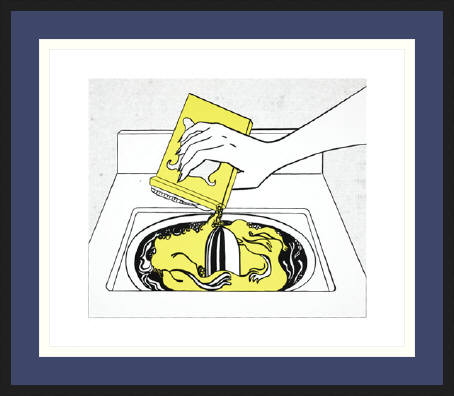
| Roy Lichtenstein Washing Macheine |
|||||||||||||||||||||||||||||||||||||
| Issues | |||||||||||||||||||||||||||||||||||||
|
|||||||||||||||||||||||||||||||||||||
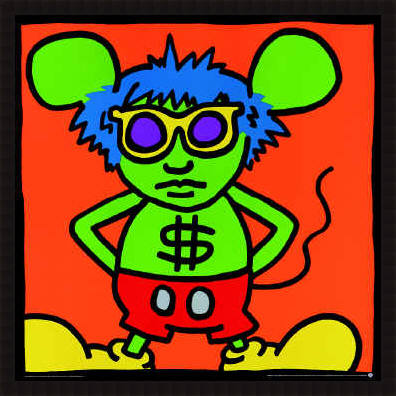
| Keith Haring, Andy Mouse | |||||||||||||||||||||||||||||||||||||
|
|||||||||||||||||||||||||||||||||||||
| Just because an artist may use commercial subject matter, does not deteriorate their status as an artist or the worth of their art. Lichtenstein once said that, "The techniques I use are not commercial, they only appear to be commercial- and the ways of seeing and composing and unifying are different and have different ends," (Kastner). Pop Art is not one simple formulaic idea that can transcend through all artwork produced under the genre. Yet, there are basic threads that run through all of the work. It is evident that we as a society will never be able to determine a sole meaning to the word, Pop Art, but we can only understand it and try to look into the pieces, rather than superficially. | |||||||||||||||||||||||||||||||||||||
|
|||||||||||||||||||||||||||||||||||||
| To learn more about Andy Wahol as a person and an artist, visit www.warhol.org and visit the One Stop Pop Shop for an interactive adventure. |
|||||||||||||||||||||||||||||||||||||
| Other Cool Sites: www.haring.com (keith haring) www.artareas.com (virtual gallery) www.artcyclopedia.com www.art.com |
|||||||||||||||||||||||||||||||||||||
|
|||||||||||||||||||||||||||||||||||||
|
|||||||||||||||||||||||||||||||||||||
|
|
|||||||||||||||||||||||||||||||||||||