Multiples of the Sixties


The Great American Pop Art Store focuses on a specific genre of Pop Art, those produced in multiples and editions. Most of these works in the beginning were scarce, moderately priced, and a regular part of American culture. This concept was created during a newspaper strike and the artists needed to advertise their exhibitions. It was through this act of advertisement that people began to desire these objects for reasons such as collectables. This pushed the boundaries of art even further because artists began experimenting in materials and making the boundary between art and factories even closer.
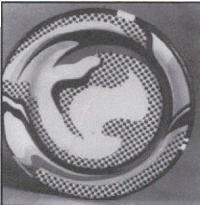
These pieces of art were useable, they were not seen as something to look at and not touch. Roy Lichtenstein produced a series of 800 place settings that his patronbrought and used everyday for regular dinner festivities.


In 1964, The American Supermarket was set up by a collaboration of artists who all contributed to the functionality of the supermarket. Andy Warhol made a shopping bag with a Campbell's Soup Can silk-screened on the front. Rom Wesselmann gave a 3-dimmensional turkey, Oldenburg donated cakes, cookies, and cheeses made from wax. The exhibition catalogue explains that this attempt was to, "Challenge long-held assumptions that equated quality with rarity, handmade gesture with potent content, and size with magnitude of idea."
Collectors were eager to purchase these numbered editions, they created the craze for such items. Generally, they were not taken seriously in the art market until so. The pop 'phenomenon' hit the highest between the years of 1964-1967, where everything from prints to wallpaper were being created in multiples.
This show recreates the 1960's boutiques, not unlike those that would have existed by the artist. Although this show is made up of 'manufactured' multiples, they are shown with many of the original sketches and designs that helped produce these items. Overall, this is an inventive way to display some of the most cherished and innovative works of art. This art is not static, that is why it is so popular (Johnson).