| Pampanga Philippine Festival Pinetensya Manila Cebu Davao Philippines geography Philippine Food Philippine national athem Baguio |
 |
 |
 |
 |
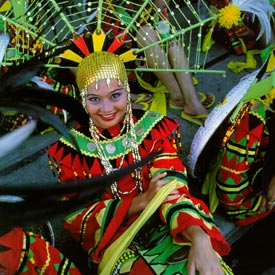
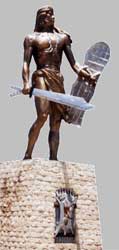
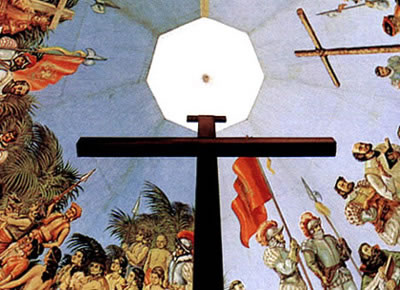
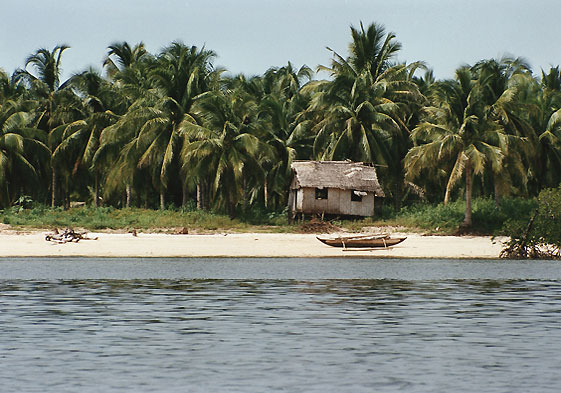
| Cebu in Central Visayas is in the center of the Philippines archipelago. It is bounded on the north by the Visayan Sea, on the east by the Camotes Sea, on the west by the Tanon Strait, and on the southeast by the Bohol Strait. Cebu City, with an area 329 sq. km and a population of 610,417, and Mandaue, with an area 33 sq. km and a population 180, 285 are highly urbanized cities. THE LAND Cebu City, the regional capital of Central Visayas, lies at the heart of the Philippine archipelago, 365 miles south of Manila. Located midway on the East Coast of Cebu Island, it is bounded on the north by the Municipality of Talisay and on the west by Toledo City and Balamban. Cebu City has a total land area of 328.80 square kilometers (32.880 hectares). Along the coast, the terrain is relatively flat, accounting for 15% of the total area. This becomes rolling and hilly at elevations of 40 to 200 meters above sea level, then, turns generally rugged and mountainous at elevations of 200 to 800 meters. Natural barriers protect the city from rough elements. Along its northwestern rim lay the mountain ranges of Cebu, while on the opposite side, Mactan Island protects the city harbor from strong winds. Three rivers in the city- Guadalupe, Lahug and Kinalumsan ? serve as natural flood drains. The city is politically divided into 80 barangays, which are clustered into two congressional districts. The North District with 46 barangays and the more densely populated South District with 34. Although the city is predominantly urban, 1 of its 80 barangays (38%) is located in the uplands. Pleasant weather generally prevails over metropolitan Cebu. It is seldom visited by typhoons, being outside the typhoon belt. A BRIEF HISTORY Cebu, or Sugbu, was already a prosperous settlement before the Spaniards came in 1521. It had trade relations with China and the countries of Southeast Asia. On April 14, 1521, ruler rajah Humabon and his wife, together with 800 natives, were baptized during the first Mass in Cebu. Thirteen days later, Ferdinand Magellan died in battle against Lapu-Lapu in Mactan off the coast of Cebu. On April 27, 1565, Miguel Lopez de Legaspi, with Augustinian Fr. Andres de Urdaneta, landed in Cebu. On January 1, 1571, Legaspi founded the present city of Cebu, changing its former5 name of San Miguel to La Villa del Santissimo Nombre de Jesus. The province of Cebu was created under Act No. 2711 on March 10, 1917. It is the home province of Sergio Osme�a who succeeded Manuel L. Quezon as Commonwealth president during World War II. THE PEOPLE Cebu City�fs population of 687,269 (1995 census) makes this premier city of the south the second biggest metropolis in the country. Its strong attraction for migrants from the rural areas of Cebu Province as well as the rest of the Visayas and Mindanao has helped to make it grow at 2.2 percent per annum in the last decade. The Cebuano dialect is the native tongue of the population. English is generally spoken and considered the second language. Other dialects include Tagalog, Ilongo, Waray, Bicolano and those spoken by migrants sectors absorbed into the Cebuano mainstream. Cebuanos are predominantly Catholics. The next biggest religious sects are the Protestants, Iglesia Ni Cristo, Muslims, Taoists, Buddhists and other smaller denominations. Considering the proliferation of schools in Cebu City, this busy metropolis can boast of a very high literacy rate of 97 percent. However, more females (3.4 percent) are illiterate compared to males (2.8 percent). The Cebuanos have long been known as pioneering entrepreneurs and innovative businessmen. Largely responsible for the Vigorous growth of Cebu�fs economy, they have initiated myriad small and medium- scale businesses that have generated precious dollars from the export of furniture, gifts, toys and fashion accessories, garments, mangoes, dried fruits and seaweed. TOURIST ATTRACTIONS Cebu City is called the Queen City of the South.�EIts major attractions are its historic monuments and sites. Magellanes Cross-marks the spot where Rajah Humabon and his followers were baptized in 1521. It is housed in an octagonal shrine with a red-tiled roof that has paintings depicting the events of Magellanes visit on the ceiling. The Basilica Minore del Santo Ni�o is the countrys oldest church and the only basilica in the Far East. It contains the image of the Holy Child given by Magellan to Rajah Humabones wife. Fort San Pedro is a small tri-bastion fort that served as the nucleus of the first Spanish settlement in the Philippines. Colon Street, named after Columbus and the oldest in the Philippines, is the heart of downtown Cebu. Cebu City also has a number of museums and antique collections. The University of San Carlos Museum displays an extensive anthropological and biological collection. Rizaliana Museum in the University of Southern Philippines contains memorabilia of the national hero. Jumalon Lepido mosaic Art Gallery has landscapes and portraits made with butterfly wings. Private collections include Medalle Collection of old photographs, the Reynes philately Collection, the Arcenas collection of ceramics and Spanish colonial art, and the Roska collection of religious artifacts and period furniture. Beverly Hills, the wealthy subdivision in Cebu Citys Lahug district, has three Chinese temples. Mandaue City, next to Cebu, is the site of the giant San Miguel Brewery complex. A tour of the complex ends with free samples of its products. The Chapel of the Last Supper in the City has life-size woodcarvings of that religious event. The Mandaue-Mactan Bridge connects the industrial city of Mandaue to the historical island of Mactan. It is 864 m long and 9 m wide and allows inter island vessels to pass under it. Mactan Island has an international airport, as well as several beach resorts like Shangri-La Mactan Island, Cebu beach Club, and Maribago Bluewater Beach Club. All offer scuba facilities. The Magellan Marker marks the spot where the explorer died. Lapu-Lapu Monument stands on the site where the battle between the Cebu chieftain and Magellan took place. Cebu Club Pacific Resort, 67 km north of Cebu City, has white sand beaches. Tourist Seaside Resort hotel in Talisay, 12 km south of Cebu City, offers facilities for water sports. Also south of the capitol are Bolok-Bolok Mineral Spring (61 km), Nonoc Caves in Borbon, Kawasan Falls (89 km), and Badian Island beach resort (97 km). Paradise Valley is in Barili. The Sinulog Festival is a week-long celebration every third week of January in honor of the Christ Child. Women devotees dance the Sinulog each day in front of the basilica and Magellanes Cross. A massive religious procession features the Sto. Ni�o image. Bahug-bahug sa Mactan every 27th day of April re-enacts the 1521 Battle of Mactan on its site on the islands beach. |
 |
 |
 |
 |
 |
 |
 |
| Cebu Festival |
| Lapu-lapu |
| Beaches in Cebu |
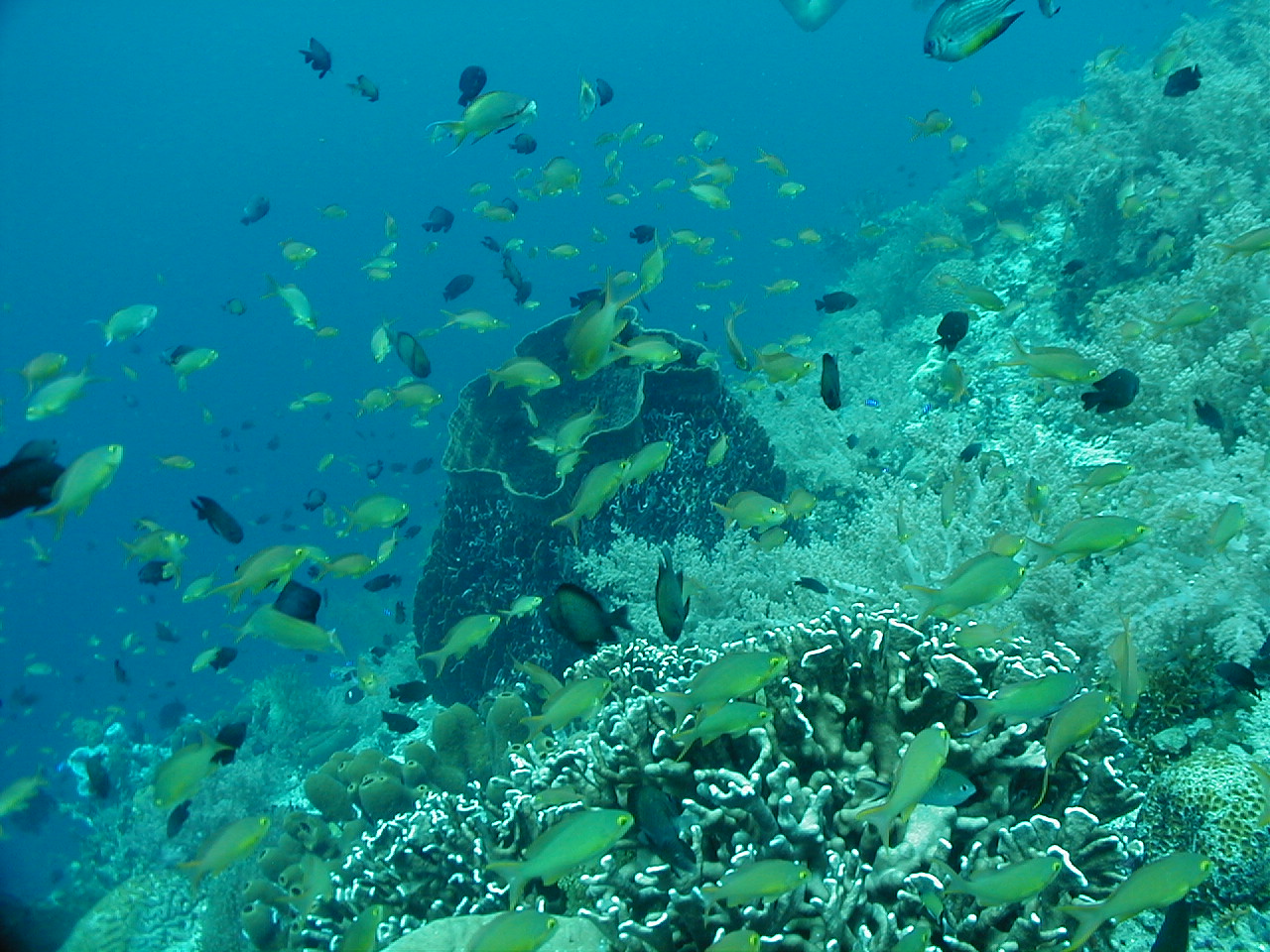
| Under Water Diving |
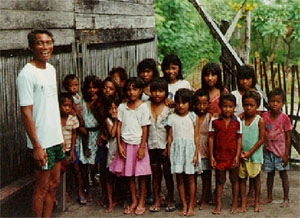
| People of Cebu |
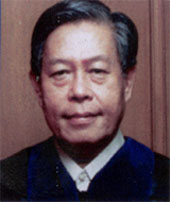 |
| Supreme Court Chief Justice Hilario Davide. Pride of Cebu |