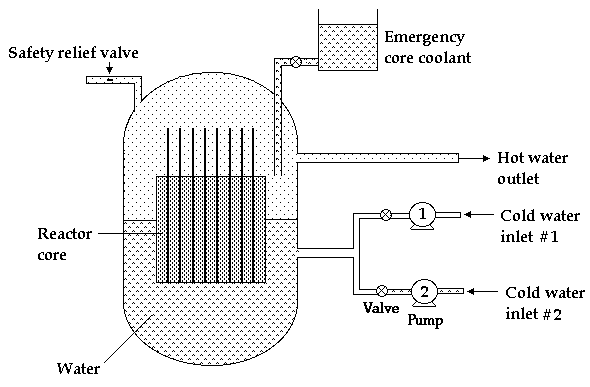
Diagram of the Three Mile Island nuclear plant core, prior to incident
Index of ChemX
Using the basic method of nuclear power, the core heats water into steam, turning turbines, turning a generator, creating electricity. Water around the reactor is cooled by the Reactor Cooling System, which is a series of loops through which the water is pumped in order to drop the temperature. Pressure around the reactor and throughout the tubes is maintained by pressurizer, which creates pressure at about 2250 pounds per square inch, generated by a spray system within the pressurizer. The RCS is the only cooling system expected to carry radioactive material in it, while the others are not near the core, and thus not radioactive.
The secondary cooling system is used to condense the steam back into water. This requires a large temperature drop, created by the Condenser. This water is then pumped by condensate pumps through heaters, a number of pressurizers, and eventually back through through the steam generator. The condensor is maintained in a vacuum by a powerful pump located inside the condenser chamber beween the cooling tower and the condenser itself.
The third cooling system is the trademark of the nuclear power station: the large barrel towers. Many believe that the core is housed in these, but this is actually where most of the steam is turned back into water for reheating.
Index of ChemX