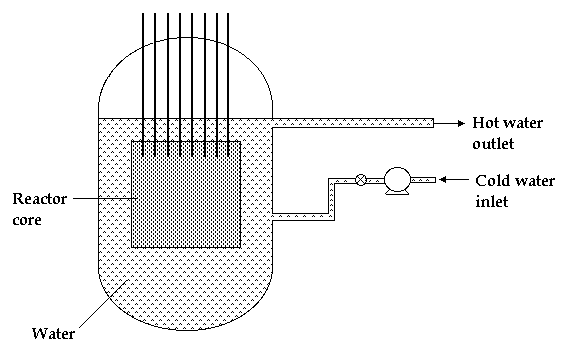
Diagram of Chernobyl reactor prior to disaster
Index of ChemX
The main problem with this method is the substance used to slow the nuclei. Graphite is a combustible substance, and very large quantities are needed in light-water-cooled, graphite-moderated reactors. The lack of a containment structure has also been critisized, especially by western nuclear engineers. The critism comes from the short measure of safety. Simply put, there is nothing to contain the nuclear radiation should a spill or meltdown ever occur. In Chernobyl is a good example of poor containment, to say the least.
Western nuclear experts have criticised this type of reactor primarily because it lacks a containment structure and its requirement of large quantities of combustible graphite within its core.
Index of ChemX