|
The Baroque period was named after a word that means a pearl with an irregular shape. This period was so named because of its high irregularity in its art, which was much more rich and in more contrastive forms than the plainer and more harmonious Renaissance art. One of the Baroque�s characteristic sayings was �carpe diem�, which, in Latin, means, �Seize the day�. Another was �memento mori� which means, �Remember that you must die.� The Baroque period was characterized by vanity, but also by the flip side of the concern of the ephemeral nature of things. Also during this period was the Thirty Years War that ravaged from 1618 to 1648. Great class differences were also apparent during this period (The French Revolution, more info here).
Most of the philosophers during this time were materialists. Materialism is the philosophy that all things are derived from concrete materials. The most influential philosopher of this philosophy was Thomas Hobbes (an interesting note, the Hobbes in the Calvin and Hobbes classic cartoon strip is named after this philosopher. For more info on this strip, please click here.). He believed that all phenomena, including man and animals, consist entirely of particles of matter.
Another important 17th century philosopher, Leibniz, said that the difference between material and the spiritual was that the material could be cut into many different pieces, but the soul could not be cut into even two pieces.
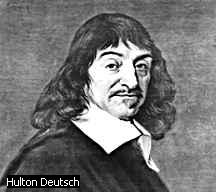
The two greatest philosophers of the 17th century were Descartes and Spinoza. Below are the links, in chronological order, of all of the philosophers in the Baroque period that I chose to cover. |
|
|
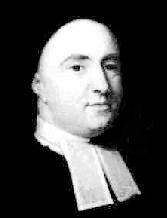
While Descartes and Spinoza were rationalists, there were a number of philosophers that held that we have nothing in our minds that we have not first experienced through the senses. This view is called empiricism. The most important empiricists were Locke, Berkeley, and Hume, and all three were British. The rationalists were Descartes, a Frenchman; Spinoza, who was Dutch; and Leibniz, who was German. Therefore a distinction was made between British empiricism and Continental rationalism. |
|