

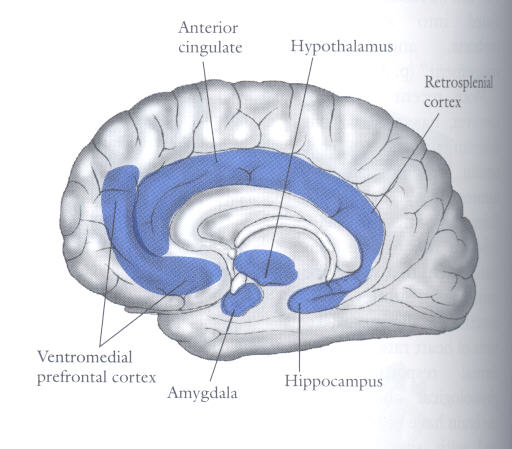
"Mathematical anxiety can be both a cause and a symptom to dyscalulia" (Shalev, 2004, p.767). While not all dyscalculics suffer from significant anxiety, for many it is their main deficit. Often dycalculic individuals who are overly anxious about their performance sacrifice accuracy for speed (Shalev, 2004; Ashcraft, Kirk & Hopko, 1998).
Motivation: a strength
Though it is unlikely that motivation alone can combat severe dyscalculia, it can certainly serve as an effective tool in compensating for dyscalulia's debilitating effects. As Slade and Russell (1971) found, motivation to succeed can help individuals learn alternative methods and strategies for getting around a lack of factual or procedural knowledge (Marcaruso & Sokol, 1998). One child who could not recall multiplication facts solved 8 x 7 by multiplying 2 x 7 and then adding four 14s together to get the answer!