Typomorphology StudiesAs part of the work done with the Mission-Cliff Bungalow Community Association during their Area Redevelopment Process (ARP), a study of the building typology and morphology was done.
Why study typomorphology?
These kinds of studies establish the built urban fabric of an area. In the case of Mission-Cliff Bungalow, they are trying to maintain the character of the neighbourhood. These studies provide evidence as to what exactly the built character of the area is, thus giving them a better foundation from which to work.
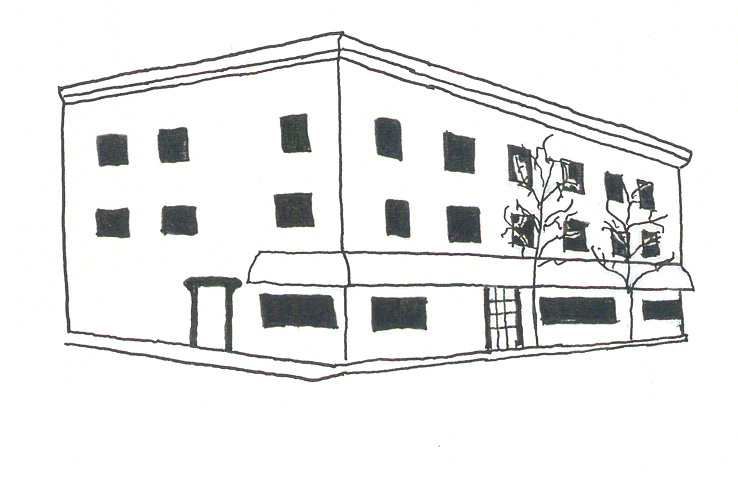
We established 12 building typologies in the area. The following is a graphic example of the analysis that I did on these typologies.
Residential over Commercial Block
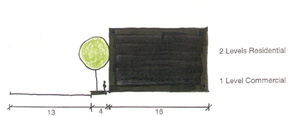
Attributes:
- Contributes to mixed use within the neighbourhood
- Commercial on the ground floor creates a more interactive relationship with the streetscape
- The scale of the building keeps with the overall pedestrian scale of 4th Street
- The setback allows for an intimacy with the activity of the street and helps to animate the public edge
- Most of these types were built from 1910 to 1920s
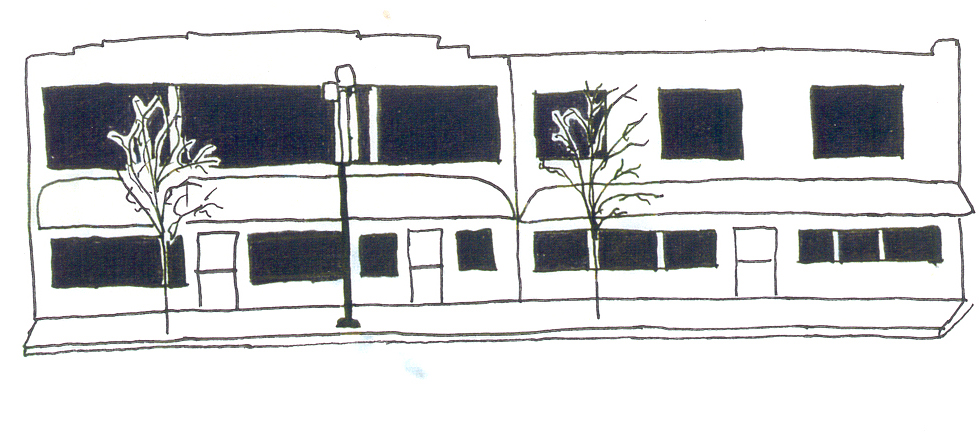
Office over Retail Block - Low Profile
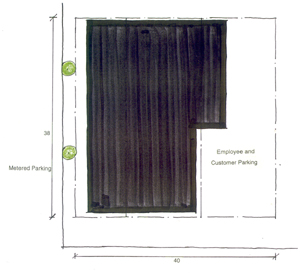
Attributes:
- Ground floor retail engages the public to a greater degree than exclusively office space
- Sub-types can include different building scales (2-4 storey) and occupants (1-5) but the key unifying feature is the retail on the ground floor
- The combination of these two commercial functions adds a level of vibrancy and richness to the area
- The dates of these types range from the 1950s to the 1990s
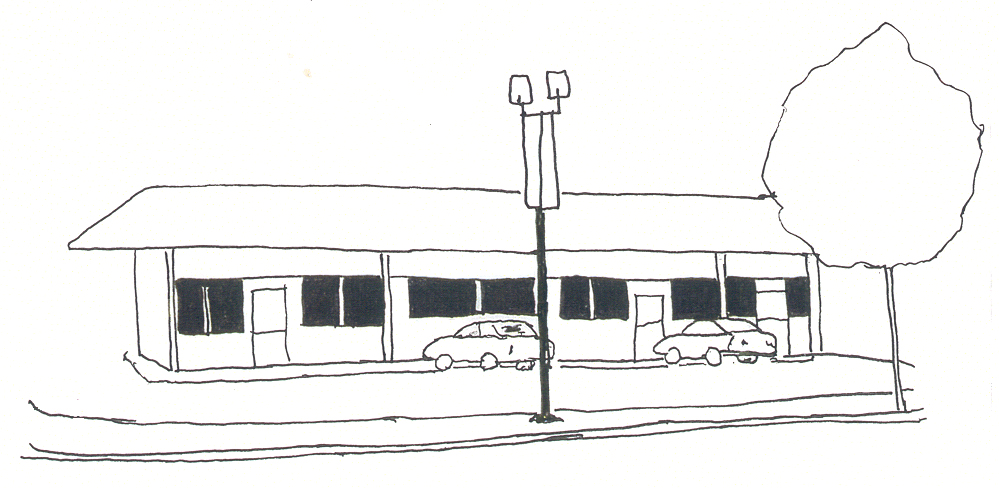
Strip Commercial with Front Parking
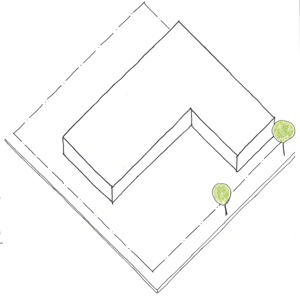
Attributes:
- An exception to most setbacks along the major roads of 4th Street and 17th Avenue
- Typically found on corner lots to increase vehicular accessibility
- Can diminish the consistency of a pedestrian-oriented pathway
- These were built in the early 1970s
John Lewis Homepage | One Page CV | Education Profile | Planning Projects | Professional Profile | Basketball Page | Misc Page