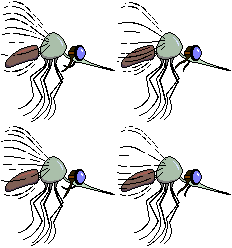
Malaria is transmitted by bite of infected mosquito
Malaria
 |
An infectious disease transmitted by a mosquito bite and characterized by fever, sweats, and chills. |
|
|
A serious infection caused by one or more of at least four different species of the protozoan organism Plasmodium, carried by a mosquito bite. Plasmodium vivax, P. falciparum, P. malariae, and P. ovale. |
|
|
It is estimated that there are more than 100 million cases of malaria worldwide each year; 1 million people die of the disease annually in Africa alone. Most endemic areas are in the tropics, and underdeveloped countries are particularly hard hit. Relatively few cases are reported in the United States annually, and most involve travelers to endemic regions. |
|
|
It leads to chills, fever, anemia, and a large spleen. |
|
|
Malaria tends to become a lifelong disease. |
|
|
The disease is usually carried from human to human by a bite from an infected Anopheles mosquito. |
|
|
Malaria can also be spread by blood transfusion or by the use of an infected needle. |
|
|
The disease is mostly to be found in the tropical areas of South and Central America, Africa, and Asia. |
|
|
Plasmodium parasites enter the red blood cells of the infected human, where they mature, reproduce, and burst out every so often. |
|
|
Malaria attacks (paroxysms) occur at regular intervals. They go together with the growth of new parasites in the body. Because the life cycle of the infecting parasite changes with the species, the patterns of chills and fever differ, as do the length and seriousness of the disease. |
|
|
Bouts of malaria usually last from 1 to 4 weeks. Attacks occur less often as the disease continues. |
|
|
It is common for malaria to recur. |
|
|
The disease can last for years. |
Disease Process A mosquito carrier bites a human host and injects the sporozoites, which reside and multiply in the parenchymal cells of the liver. After a maturation period averaging 2 to 4 weeks, merozoites are released and invade the erythrocytes. The infected erythrocytes rupture and release merozoites, pyrogens, and toxins, which cause hemolysis, sluggish blood flow in the capillaries, and adherence of infected erythrocytes to venous walls, obstructing blood flow, increasing the permeability of the capillaries, and causing tissue extravasation, particularly in the brain and gastrointestinal system.
Symptoms
 |
The incubation period is followed by a 2- to 3-day prodromal period marked by low-grade fever, malaise, headache, joint aches, and chills similar to the flu and often misdiagnosed and treated as such. |
|
|
A paroxysmal pattern is then established, beginning with a shaking chill and followed by fever and sweats. |
|
|
After the fever and sweats (usually lasting 1 to 8 hours), the person feels well until the next chill begins. One cycle ranges from 20 to 72 hours, depending on the parasite involved. |
Potential Complications
 |
Chronic malaria with accompanying parasitemia may occur in partially immune individuals in hyper endemic areas. It is characterized by recurring symptoms resembling a mild, short attack of acute malaria. |
|
|
Black water fever is a rare complication characterized by severe hemolytic anemia and renal failure. Uremia and renal failure are common complications. |
|
|
Cerebral malaria causes seizure, psychosis, and coma. Pulmonary edema and splenic rupture are also seen. |
|
|
Untreated malaria caused by P. falciparum has a 20% mortality rate. |
Diagnostic Tests
|
|
A physical evaluation revealing the paroxysmal pattern and an enlarged spleen plus |
|
|
A history of exposure to an endemic area within the year is significant. |
|
|
A blood smear that isolates the parasite provides the definitive diagnosis. |
Treatments
Drugs
Antimalarial drugs for acute attacks and as prophylaxis if traveling to endemic areas; vaccines are experimental
Typhoid fever, enteric fever.
 |
A bacterial infection usually caused by Salmonella typhi, carried by contaminated milk, water, or food. |
|
|
It is marked by headache, mental confusion and excitement, cough, watery diarrhea, rash, and a high fever. |
|
|
Compare cholera, paratyphoid fever, salmonellosis |
|
|
The period between first being exposed to the bacteria and getting the first symptoms may be as long as 60 days. |
|
|
Patches of rosy spots and pimples are scattered over the skin of the intestinal area. |
|
|
Enlargement of the spleen and a decrease in the number of white corpuscles develop first. |
|
|
The diagnosis is made by growing bacterial cultures from samples of blood and stool and by rising concentrations of antibodies (agglutinins) in Widal's test. |
|
|
The disease is serious and may be fatal. Further problems are bleeding or holes in the intestines and swelling and blood clotting in veins (thrombophlebitis). |
|
|
Some people who recover from the disease continue to be carriers and release the organism, spreading the disease. |
|
|
Antibiotics are used in treatment. Prolonged use of antibiotics or removal of the gallbladder may stop the patient from carrying the disease. |
|
|
Typhoid vaccine gives good protection, but requires annual booster doses for best effect. |
|
|
To lower the temperature, sponge baths are preferred to temperature-reducing drugs (salicylates) because they may cause intestinal bleeding, extreme loss of body temperature or low blood pressure. |
|
|
Laxatives and enemas should not be used because of the danger of holes being made in the bowel. |
|
|
Proper disposal of human wastes is essential to prevent epidemics, and carriers should not be allowed to prepare food. |
Viral infection, viral disease
 |
Any of the diseases caused by one of about 200 viruses dangerous to humans. Some are the most dangerous diseases known; some are harmless. Disease exists when the virus damages any cells. |
|
|
Viruses enter the body through breaks in the skin, by being breathed into the lungs, or by entering the stomach when eaten. |
|
|
The disease develops as the virus goes through its life cycle. |
|
|
In many diseases of this type, the body makes its own protection against ever catching it again. In others, this protection lasts only a short time. |
Viral pneumonia, infection of the lungs caused by a virus.
Viral hepatitis
 |
A virus-caused, swelling disease of the liver, caused by one of the hepatitis viruses, A, B, or non-A, non-B. |
|
|
How the disease is caught, how fast it shows, and the results of the illness vary with the kind of virus, but the symptoms of the disease and its treatment are the same. |
Symptoms of viral hepatitis
|
|
Are loss of appetite (anorexia), a sick feeling, headache, pain over the liver, fever, jaundice, clay-colored stools, dark urine, nausea and vomiting, and diarrhea. |
|
|
Severe infection, especially with hepatitis B virus, may last a long time and result in tissue destruction, liver disease (cirrhosis), and chronic hepatitis or in hepatic coma and death. |
|
|
The patient should not donate blood, and should not take over-the-counter drugs without asking a doctor. |
Viral gastroenteritis
|
|
An inflammation of the intestine caused by a virus. |
|
|
The symptoms usually include stomach cramps, diarrhea, nausea, and vomiting. |
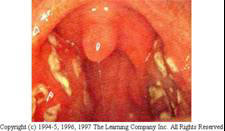
Tonsillitis
 |
An infection or inflammation of a tonsil. |
|
|
Sudden tonsillitis is often caused by a streptococcus infection. |
|
|
It is marked by severe sore throat, fever, headache, malaise, difficulty in swallowing, earache, and large, tender lymph nodes in the neck. Sudden tonsillitis may go along with scarlet fever. |
|
|
Treatment includes systemic antibiotics, painkillers, and warm irrigations of the throat. Soft foods and enough fluids are given. |
|
|
Tonsillectomy is sometimes done for returning tonsillitis or tonsillar abscess. |
Tonsillectomy, the surgical removal of the palatine tonsils. It is done to prevent returning swelling of the tonsil (streptococcal tonsillitis). Before surgery, several laboratory tests, including a bleeding and clotting time, complete blood count, and an analysis of the urine, are done. Tonsillar tissue is cut apart and removed. General anesthesia is usually used. Bleeding areas are stitched or destroyed by heat (cauterized). An airway remains in place until swallowing returns. An increase in pulse rate, falling blood pressure, restlessness, or frequent swallowing warns of possible bleeding. On recovery from anesthesia, ice chips or clear liquids without a drinking straw may be offered. Tonsillectomy is often combined with surgical removal of the adenoids.
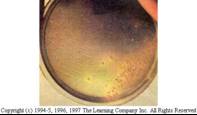
Cholera bacteria
Cholera
 |
A serious bacterial infection of the small intestine. |
|
|
It is marked by severe diarrhea and vomiting, muscular cramps, and dehydration. |
|
|
The disease is spread by water and food that have been contaminated by feces of infected persons. |
|
|
The symptoms are caused by toxic substances made by the bacterium, Vibrio cholerae. |
|
|
The profuse, watery diarrhea (as much as almost 2 quarts or 1 liter an hour) depletes the body of fluids and minerals. |
|
|
Complications include circulatory collapse, destruction of kidney tissue, and pooling of acid (acidosis). Mortality is as high as 50% if the infection is untreated. |
|
|
Treatment includes antibiotics and restoring fluids and electrolytes with intravenous solutions. |
|
|
A cholera vaccine is available for people traveling to areas where the infection is common. |
|
|
Other preventive measures include drinking only boiled or bottled water and eating only cooked foods. |
Vibrio gastroenteritis
|
|
An infectious disease caught from infected seafood and marked by nausea, vomiting, stomach pain, and diarrhea, caused by Vibrio parahaemolyticus. |
|
|
Headache, mild fever, and bloody stools may also be present. |
|
|
Recovery usually occurs by itself in 2 to 5 days. |
Shigellosis, bacillary dysentery
|
|
Also called bacillary dysentery. |
|
|
A serious infection of the bowel marked by diarrhea, stomach pain, and fever, that is carried by hand-to-mouth contact with the feces of infected individuals. |
|
|
The disease occurs only rarely in the United States but is native to underdeveloped areas of the world. |
|
|
It is especially common and usually most severe in children. |
|
|
It is treated with drugs. |
|
|
An infected patient must be kept apart from others, and anyone coming in contact must wash the hands very well. |
|
|
Shigellosis infections must be reported to the public health department. |
Diarrhea
|
|
The frequent passage of loose, watery stools, usually the result of increased activity of the large intestine (colon). |
|
|
The stool may also contain mucus, pus, blood, or large amounts of fat. |
|
|
Diarrhea is usually a symptom of some other disorder. |
|
|
It is a common symptom in some types of flu, food poisoning, and may occur after eating spicy foods. |
|
|
It is also a symptom of more severe diseases. These include various disorders, as tumors of the intestines, malabsorption syndrome, or milk intolerance. In addition, patients may complain of stomach cramps and weakness. |
|
|
Untreated, diarrhea may lead to dehydration. Diarrhea may be accompanied by vomiting and various other symptoms. |
Salmonellosis
|
|
A form of gastroenteritis, caused by eating food contaminated with a species of Salmonella, marked by sudden, sharp pain in the stomach or intestines, fever, and bloody, watery diarrhea that occur 6 to 48 hours after eating the bad food. |
|
|
Nausea and vomiting are common. |
|
|
Symptoms usually last from 2 to 5 days, but diarrhea and fever may persist for up to 2 weeks. |
|
|
Dangerous loss of water may occur. |
|
|
Cooking food long enough, keeping food in the refrigerator, and careful hand washing may help prevent the disease. |
Cold, common cold
|
|
A contagious viral infection of the upper respiratory tract. |
|
|
The symptoms are stuffy nose, watery eyes, low fever, and aching. |
|
|
It is treated with rest, aspirin, decongestants, and drinking a lot of fluids. |
Respiratory tract infection, upper respiratory infection, any infectious disease of the upper or lower breathing tract.
Dengue fever, Aden fever, bouquet fever, breakbone fever, dandy fever, solar fever.
|
|
A serious virus infection given to humans by the Aedes mosquito, it occurs in tropical and subtropical regions. |
|
|
The disease, which usually causes fever, rash, and severe head, back, and muscle pain, most often occurs in two phases. |
|
|
In the first attack, the patient has a fever, weakness, headache, sore throat, muscle pains, and swelling of the hands and feet. |
|
|
The second attack follows a day after these symptoms stop. It is marked by a return of fever and by a bright-red rash. |
|
|
The infection clears up without treatment, though it may take patients several weeks to recover. |
Dengue hemorrhagic fever shock syndrome (DHFS)
|
|
An often fatal form of dengue fever. |
|
|
It is marked by shock with collapse, clammy arms and legs, a weak pulse, breathing problems, and the symptoms of dengue fever. |
|
|
Severe bleeding, bruises, small reddish spots on the skin, and bloody vomit, urine, and feces may occur. |
|
|
This is followed by failure of the circulatory system. |
Heat hyperpyrexia, heatstroke, thermic fever.
|
|
A severe and sometimes fatal condition that results from the failure of the body to regulate its temperature. |
|
|
This is caused by prolonged exposure to the sun or to high temperatures. |
|
|
Lessening or lack of sweating is an early symptom. |
|
|
Body temperature of 105o F or higher, fast pulse rate, hot and dry skin, headache, confusion, blackouts, and convulsions may occur. |
|
|
Treatment includes cooling, resting, and fluid replacement. |
Hyperpyrexia
|
|
An extremely high temperature sometimes occurring in serious infectious diseases, especially in young children. |
|
|
Cancerous hyperpyrexia, marked by a rapid rise in temperature, rapid heart beat rapid breathing, sweating, rigidity, and blotchy blue discoloring of the skin and mucous membranes occasionally occurs in patients under general anesthesia. |
|
|
A high temperature may be reduced by sponging the body with tepid water and alcohol, by giving a tepid tub bath, or by giving aspirin or acetaminophen. |
Sinusitis
-An acute or chronic inflammatory process affecting the paranasal sinuses
|
|
A swelling of one or more nasal sinuses. |
||||||||
|
|
Causes and Incidence
|
||||||||
|
|
It may be a complication of an upper respiratory infection, dental infection, allergy, a change in atmosphere, as in air travel or underwater swimming, or a defect of the nose. |
||||||||
|
|
Disease Process |
|
|
Some factor precipitates a swollen nasal mucous membrane, which obstructs the ostium of the paranasal sinus. |
|
|
The oxygen in the sinus is absorbed into the blood vessels in the mucous membrane and sets up a negative pressure (vacuum) in the sinus, inducing pain. If the vacuum is maintained, a transudate is formed from the mucous membrane and fills the sinus, serving as a medium for transient bacteria, viruses, or fungi. Serum and leukocytes then rush to combat the resulting infection, causing a painful positive pressure in the obstructed sinus. The mucous membrane becomes hyperemic and edematous. |
|
|
With swelling of nasal mucous membranes the openings from sinuses to the nose may be blocked, causing pressure, pain, headache, fever, and local tenderness. Complications include spread of infection to bone, brain, or membranes around the brain. Treatment includes steam inhalations, nasal decongestants, analgesics, and, if infection is present, antibiotics. |
|
|
Surgery to improve drainage may be done to treat chronic sinusitis. |
Symptoms
|
|
Signs and symptoms include tender, swollen areas over the involved sinus; |
|
|
Malaise and slight fever with rhinorrhea; and seropurulent or mucopurulent drainage. |
|
|
Pain is specific to the sinus. |
|
|
Maxillary sinusitis causes pain in the maxillary area, toothache, and frontal headache. Frontal sinusitis causes frontal pain and headache. Ethmoid sinusitis causes pain behind the eyes and a splitting frontal headache. Pain from sphenoid sinusitis occurs in the occipital region. |
Potential Complications
|
|
Repeated sinus attacks may lead to permanent damage to the mucosal lining and a condition known as chronic suppurative sinusitis. |
|
|
Frontal sinusitis may lead to severe intracranial complications, including brain abscesses, which may prove fatal. |
|
|
Fungal sinusitis, particularly in severely immunosuppressed individuals, can be fatal. |