STRESS ANXIETY AND PHOBIAS.
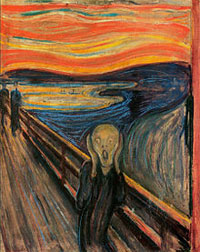 Tension and anxiety are common problems.
About one tenth of the population every year will see their doctor because they feel tense or anxious. Instead of taking medication the medical profession have realised there are alternatives. The new approach involves teaching people how to cope, and these methods are similar to learning how to ride a bicycle or learning to play the piano. The approach I can offer can help a variety of people whose problems on the surface may take different forms, but underneath suffer the same unpleasant feelings.
Panic Attacks There may be people who feel generally anxious and who cannot tie their feelings down to anything specific, and this can often be related to post traumatic stress disorder.
Anxiety is a normal healthy reaction, it happens to everyone at times of danger and in worrying situations.
There is a perception of threat or danger to both physical and psychological well being.
When anxiety is experienced bodily functions speed up. In certain circumstances this can be a definite advantage.
It means the body and mind is ready for action and enables a quick response if necessary.
Moderate amounts of anxiety actually improve performance, spurring to greater achievements.
Anxiety becomes a problem when it interferes with performance and every day life.
Remember anxiety is a normal healthy reaction which although cannot be banished completely from life, with appropriate help it can be managed.
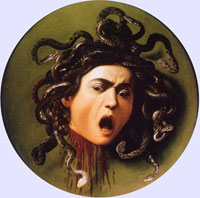 Phobic such as those with Lift phobia never go in a lift because they may believe it will fall to the bottom
of the lift shaft.
Agoraphobics never go out because they may believe they will collapse and die of heart attack and some people
may avoid meeting others because they believe that in a disagreement they will lose their temper and hit someone.
Some people obsessively check the locks on their doors and windows over and over before going to bed because
they are certain that burglars will break in. Other common phobias involve spiders, aeroplanes or small spaces.
Phobic such as those with Lift phobia never go in a lift because they may believe it will fall to the bottom
of the lift shaft.
Agoraphobics never go out because they may believe they will collapse and die of heart attack and some people
may avoid meeting others because they believe that in a disagreement they will lose their temper and hit someone.
Some people obsessively check the locks on their doors and windows over and over before going to bed because
they are certain that burglars will break in. Other common phobias involve spiders, aeroplanes or small spaces.
The consequence of the phobia is of course a high level of anxiety that may even tip in to a panic attack.
Nothing in life is to be feared it is only to be understood
- Madam Curie -
- Madam Curie -
The Three parts to feeling anxiety
Bodily sensations. These include irregular breathing, churning stomach, sweating, trembling, and racing heart and the need to visit the toilet.Behaviour. When we feel anxious our behaviour changes. The stress can cause avoidance of situations we fear. We choose not to go into the situation, or to get out as quickly as possible.
Thinking. This includes our ideas and beliefs, our mental comments to ourselves, or our mental pictures about what might happen to us in the situation we fear.
Looking at these parts separately and learning new skills in each area is an important part of anxiety management.
Why do anxiety symptoms begin?
- The amount of stress we are under.
- The kind of person we are.
What maintains anxiety?
- The way we behave especially if we are avoiding the situation we fear.
- The beliefs we have about the situation and the consequences.
By having a greater understanding of your own anxieties and their triggers and how you react in the context of "who you are", you can learn to change so that your levels of anxiety and stress can be much reduced
Why not start today with your new life? Enjoy it with clear vision, joy and share your happiness and
fun with all loved ones around you!

THE LIVING SPIRIT
Our deepest fear is not that we are in adequate
Our deepest fear is that we are powerful beyond measure
I is our light, not our darkness, that most frightens us.
We ask ourselves
Who am I to be brilliant, gorgeous, talented, and fabulous?
Actually who are you not to be?
You are a child of God
Your playing small doesn't save the world
There's nothing enlightening about shrinking so that other people
won't feel insecure around you.
We are born to manifest the glory of God that is within
Us
It's not just in some of us, it's in everyone
And as we let our light shine
We unconsciously give other people permission to do the same.
As we are liberated from our own fear, our presence
Automatically liberates others.
Nelson Mandela
(inaugural speech 1994)
Our deepest fear is not that we are in adequate
Our deepest fear is that we are powerful beyond measure
I is our light, not our darkness, that most frightens us.
We ask ourselves
Who am I to be brilliant, gorgeous, talented, and fabulous?
Actually who are you not to be?
You are a child of God
Your playing small doesn't save the world
There's nothing enlightening about shrinking so that other people
won't feel insecure around you.
We are born to manifest the glory of God that is within
Us
It's not just in some of us, it's in everyone
And as we let our light shine
We unconsciously give other people permission to do the same.
As we are liberated from our own fear, our presence
Automatically liberates others.
Nelson Mandela
(inaugural speech 1994)