
Patterns of Activity of Andean (Spectacled) Bears
in the Intag Region of Northern Ecuador
considered endangered by the Red Book of Mammals of Ecuador.
Obtaining direct information on the nutrition habits, movements and selection of habitat of the Andean Bear in its natural environment is very difficult because the bear lives in remote areas and is very timid. The few studies done are based mainly on the analysis of secondary information such analysis of marking on tress and samples of hair and excrement.
This scientific research project is being conducted by Biologist Armando Castellanos as part of ongoing efforts to expand protected areas and prevent the extinction of the Andean Bear. The primary purpose of this study is to determine the use of the habitat, activity patterns and size of home range of the Andean bear, with the purpose of proposing alternatives for conservation and the handling of the population of the species in the Intag Region.
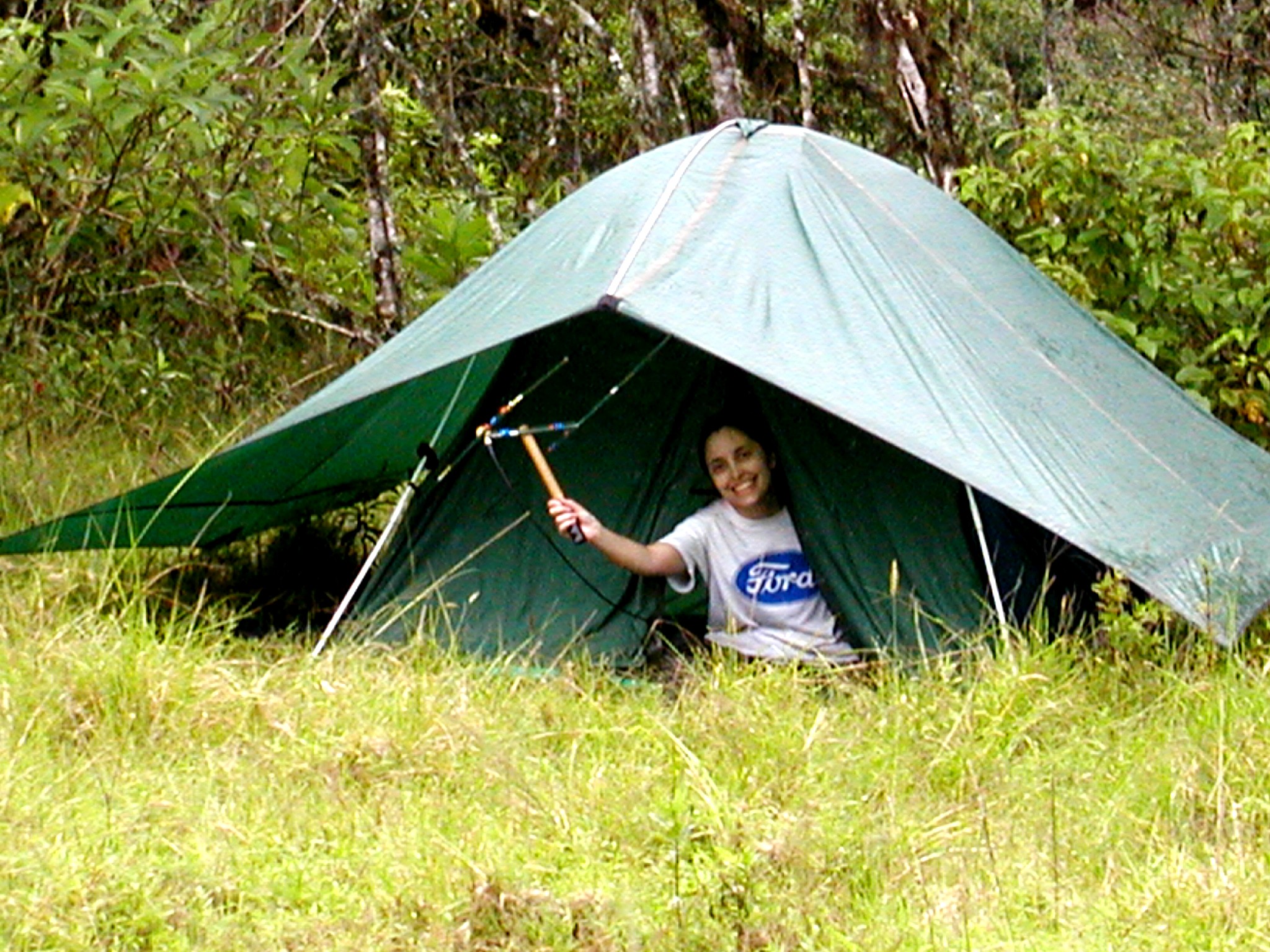
We have captured six bears, using Iznachi traps, and tagged them with radio collars. We track the locations of each bear by taking bearings from predesignated stations, which have been mapped by GPS. Using mapping software, it is possible to triangulate to determine the exact location of the animal. We can tell the specific types of habitats used by the bears, as well as those not chosen, by comparing this data with a satellite image of the area. Thus, we can learn their preferences by analyzing the choices they made. We can also measure the Home Range and Core Area of each bear.
Information obtained through the tracking of wild bears is necessary to evaluate proposals for reinsertion of animals maintained in captivity as a mechanism of conservation of the isolated populations of Andean Bears. It will permit a better understanding of the behavior and environmental requirements of the Andean bear, which will help local authorities and NGOs make good decisions regarding environmental education, handling of problem bears, as well as creating and designing protected natural areas.
The presence of the research also deters illegal cutting of trees and hunting, and creates sympathy for the bears among local people. In these ways we are both saving the individual bears and providing some of the scientific basis needed to preserve the biodiversity of the area.
TO FIND OUT HOW YOU CAN PARTICIPATE IN THIS RESEARCH,
SEE THE VOLUNTEER PACKET
HOME INTAG RESEARCH
PEPITO COLLEEN VOLUNTEER BEAR HOME
WILDLIFE RESCUE REHABILITATION REINTRODUCTION LIBERATION