History of Green Tea
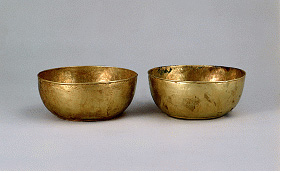
According to Chinese legend, the story of Green Tea began in 2737 BC when Emperor Shen Nung, who was known at that time as the "Divine Healer", always boiled his water before he would drink it. He had noticed that his subjects who boiled their water before drinking it seemed to have longevity and better health. One afternoon, as he knelt before his boiling water, some leaves from a nearby tree blew into the pot. The Emperor noted a delightful aroma and, upon sipping the beverage, proclaimed it as "heaven sent".
Since this first cup of Green Tea was brewed almost five thousand years ago, the popularity of tea has increased to the point that it is presently the second most popular beverage in the world. Only water surpasses green tea in popularity. Shortly after Emperor Shen Nung's discovery, tea's popularity spread to Japan and the rest of the Far East region. The Dutch people first brought tea from China to Europe and into America by 1650. In 1669, the East India Company began bringing tea leaves into England, and in 1721, the company was granted a monopoly on all tea imported into the British Empire.
The Story of Green Tea
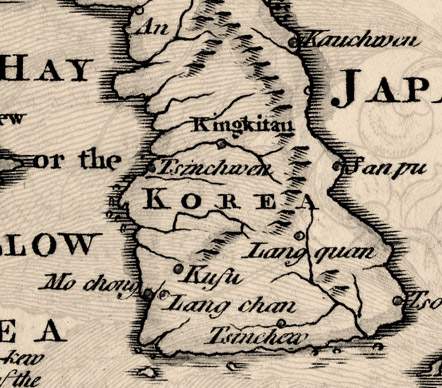
Tea was a big part of Buddhist rituals (Buddhism) and reached its climax during the Goryeo Dynasty, with even the common people widely drinking tea. But all that was forgotten during the Joseon Dynasty, when Buddhism was being oppressed by the government. Later on, as people started to drink Japanese green tea, they discovered that Korea also had a history of green tea, and was different from those of China and Japan and began to revive the tradition.
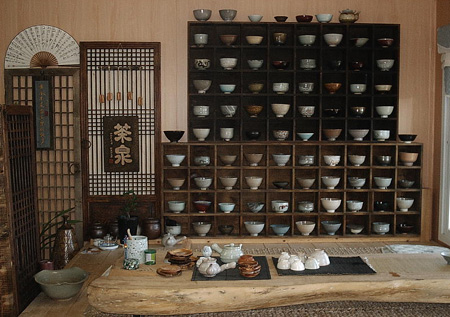
Now a days with the well being trend blowing through Korea and the rest of the world, traditional teas are attaining the interest of the people. Green tea is also said to prevent certain cancerous cells from developing. Also the caffeine in the tea works differently from that found in coffee and other beverages, and so is not harmful to our body.
|
 Story of Green Tea


