 Enjoy Green tea


|
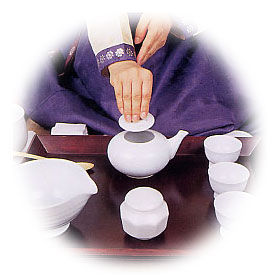
Water is the most important element, so choose it carefully. Use natural spring water if you can. Avoid city tap water unless it has been filtered. Otherwise the chlorine will affect the taste. PUT THE KETTLE ON As soon as the water boils take the kettle off the range. For convenience you can fill a clean, odorless thermos with hot water. People who drink tea all day long, or those preparing for a number of guests may want to consider buying an electric hot water urn. They hold 3 liters of water and keep the temperature steady at either 60, 85 or 98 degrees Celsius depending on the model. 


The first thing you will need to do is warm the tea set. With the water that you have prepared, pour it into the tea pot and leave it there for a few seconds until it warms up; then pour the water into the bowl with a spout; next pour the hot water into the individual cups. Once this is done discarded the water. Some tea sets have another larger bowl without a spout for this purpose. In this bowl you can also empty the tea leaves once they have been exhausted, refill the pot with fresh tea, and continue drinking. TEA As soon as the tea pot has been warmed add the tea; 1 teaspoon is about 2 grams and yields approximately 3-5 steepings, depending on the tea and your taste. A three-person teapot holds a half a cup. A five-person set holds a cup. 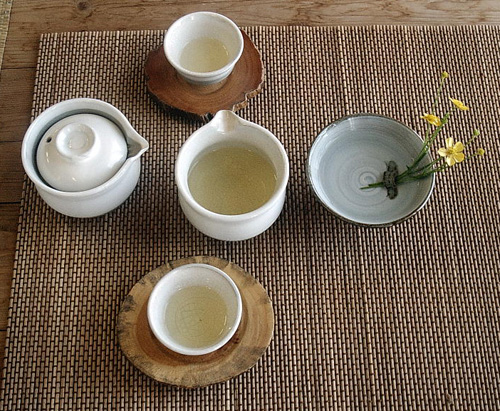 WATER TEMPERATURE AND STEEPING Pour water into the bowl with the spout and let it cool. Boiling water will scald the delicate leaves and destroy the subtle taste. The temperature of the water should range between 60 and 70 degrees Celsius. Generally speaking the higher the quality tea the lower the temperature. 50 degrees is good for really delicate, fine teas. But, exact temperatures are not necessary. Use your intuition and enjoy the process of discovering what is suitable for you and your tastes. While you are waiting for the water to cool, take the time to smell the tea in the pot. The warmth of the vessel will cause the leaves to release their fragrance. when you feel the water has cooled sufficiently, pour it into the tea pot and steep the leaves. It depends on the type of leaves and the amount of tea that you use. You may want to experiment with 10-25 second steepings at first. Just remember that the tea is still steeping while you are pouring it out: also keep in mind that the longer you steep, the stronger the brew. AFTER STEEPING Empty the tea into the bowl with the spout. From there pour out the tea, a little a time and evenly into the cups. If you fill a cup full at once you run the risk of not having a sufficient amount of tea for all your guests. It is better to pour a little into each cup and then go back to refill them. AFTER 3 TO 4 STEEPINGS Towards the end you can steep the tea longer: 1 to 5 minutes if not longer. Do this gradually. Though the taste may be dissipating, the benefit is you are still extracting minerals from the tea leaves. Sometimes I leave the water steep the leaves over night and drink it in the morning. Really it's all about preferences and personal taste. I just want to emphasize not to be afraid to try and experiment. Note: Green tea is an excellent aid for digestion: it should not be drunk on an empty stomach. So when serving green tea always include a little something to nibble on such as a cookie or a wafer. Oolong tea which is partly fermented is gentler on the stomach and can be drunk with out any food. 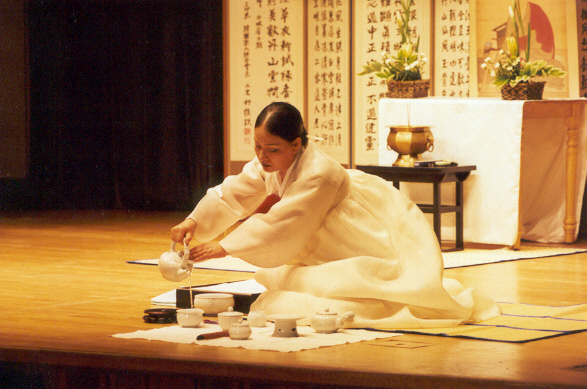 SOME CULTURAL GUIDELINES The host is the person who prepares and serves the tea, as they do this do so with two hands: serving is done with the right hand while the left touches the wrist of the right. This is a sign of respect for you guest. The origins of this custom were also practical since the sleeves of the Traditional Korean Hanboks were very wide and long. The host will generally take their cup first, and then serve the eldest guest, also a sign of respect. The cups should never be given directly into the guests hand; rather, they should be placed before them. These are some general cultural guild lines for conduct while drinking tea. This ritual does not constitute a serious tea ceremony; but it is respectful treatment of your guests. What is most important is that you and you all enjoy drinking tea and each others company; tea and the process of drinking it in this way is really about bringing people together and sharing. So enjoy and drink lots of green tea.  How do you know when it's time to throw out the tea leaves? Here are some helpful hints: taste, smell and look. The first indication is TASTE. But are you sure that you cannot get another two or three steeping? Especially with hand picked, whole leaf tea's, you can usually benefit by increasing the temperature of the water and / or extending the steeping time. Experiment with 2, 5, 10 minute steeping or even longer if you like. The advantage of drinking till the leaves have really been exhausted is that the caffeine is gone but you still benefit from the minerals found in green tea such as: calcium, potassium, manganese, copper, zinc, nickel, phosphoric acid and even fluoride to prevent tooth decay. Of course you are the judge and decide when it's enough. SCENT is another way. When the fragrance of the tea has expired you are probably nearing the end. The third way is to LOOK at the leaves after you have finished drinking. They should be expanded. When in doubt steep them one more time until the color of your tea is as white as the water you put in! KOREAN GREEN TEAS' AND SPECIFIC STEEPING TIMES This really depends on the type of tea and the grade. If the leaves are broken the stepping time will be short. Just think of a tea bag and how quickly it releases the flavor. It is important to note that the temperature of the water will also affect the tea taste. Whole leaves will require a little more time because they have to open up and unfurl. You can use the following as a guild. Korean Ujon: "before the rains" high quality, hand picked delicate leaves. Picked before April 22. The best temperature is about 55-60 degrees Celsius, and the steeping time should be 21 seconds. Remember that the tea is still steeping while your are pouring it out of the vessel and into the bowl with the spout; so the total steeping time may be about 50 seconds. Use one to two tea spoons (approximately 2-4 grams). This amount will be sufficient for 1-3 people. Repeat the steeping process two to three times at the same time and temperature, then for the third and fourth steeping increase the temperature of the water to 70 degrees. Finally you can pour the hot water directly into the tea pot and steep the tea for longer periods of time. Say Jak: "sparrows tongue" Picked between April 20th and May 5th after the monsoon. Also hand picked and processed. Cool the water to approximately 65 degrees Celsius and steep the leaves for about 25 seconds. In subsequent steeping follow the advice give above. Extend the time slightly with each new steeping. Jung Jak: hand picked and processed from May 11th till May 20th. The leaves are larger than the first two tea's that I have mentioned. Follow the steeping advice given above. 
Boseong Green Tea Festival (Dahyangje) Now into its 30th year, the Boseong Green Tea Festival is becoming more popular as the years go by. It is held at the Boseong Tea Gardens, which is now well known as the filming location of various movies, commercials and tv-series, including "Summer Scent." The tea garden itself is a sight to be never forgotten, but the path leading to the garden is an un-thought of pleasure. The festival
Hadong Mountain Dew Tea Cultural Festival The festival is held at the slopes of Jirisan Mountain, in a region not too far from Boseong - about a 2 hours car ride. The different feel of the tea gardens and the unique taste of the tea make it worth your while to visit both places. Remember that even when the festival is not being held there is much to be experienced at both tea gardens. But during the festival there is much to see and experience. And this year, open to foreigners only, one can stay at the Ssanggyesa Temple, located right next to the area where the tea trees of the area originated. The festival will be held during May 20-23 this year, so hurry with the reservations if you are interested in the templestay. There are various experience programs, and one can even gather, make and take home their own green tea.
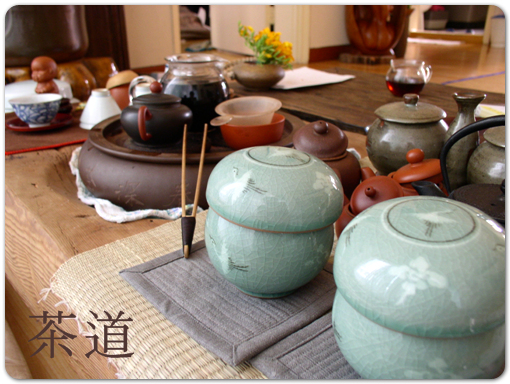
Dado is "the way of tea" or tea ceremony or more loosely etiquette involved when formally drinking tea. When one experiences this ceremony, one can fully understand that this ceremony is not for show, as dado was developed to help meditation and cleanse one's mind of needless thoughts. It is also a way to enjoy all the pleasures the tea has to give. Korean green teas has all the five tastes - it is bitter, sweet, salty, puckery and sour - but in order to taste them all, one must take care when brewing and drinking it. There are quite a few places, small and large, where foreigners and locals alike can learn and enjoy dado. Here area few places you might seek out in Seoul: If all one wishes is to taste green tea in a comfortable ambience, there are many teashops in Insa-dong that one can visit. Most of these teashops are traditional teahouses with their interior made for you to feel the Korean traditions. A more modern and unique teahouse has just opened in Myeong-dong, the O'Sullok Tea House. The menu is made up of beverages and some light snacks to go with them, and all of them use green tea as one of the key ingredients. 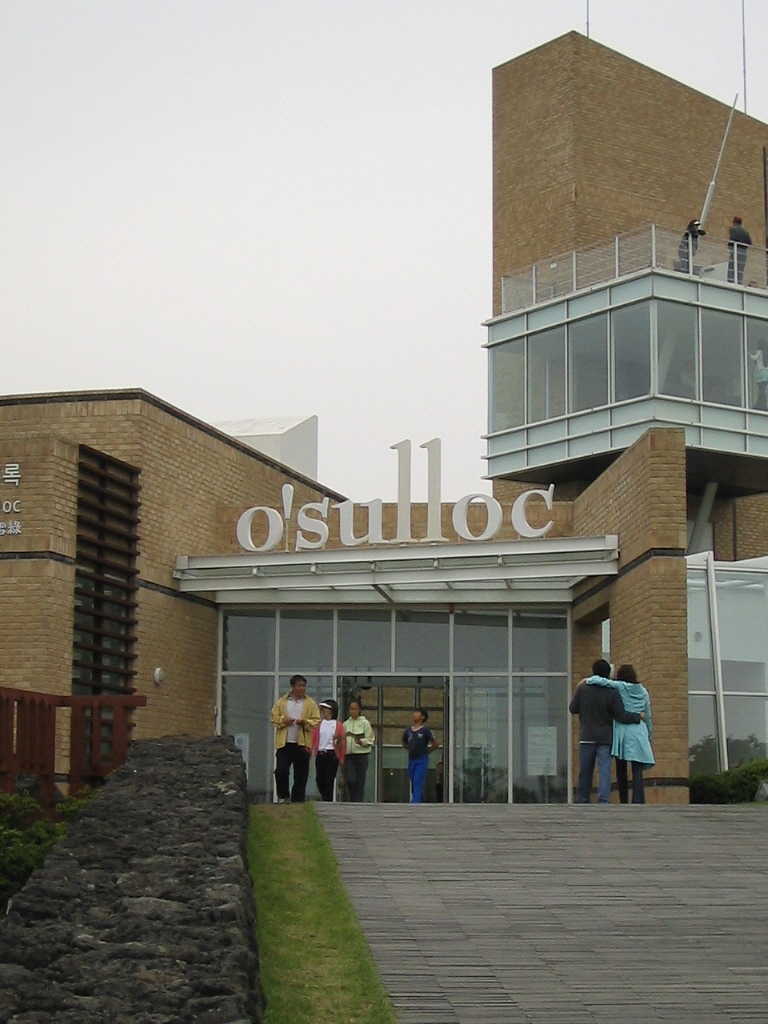
Located next to the Seokwang Tea Garden in Jeju, the O'Sulloc Museum is shaped like a teacup and commands a panoramic view of the largest tea plantation in Korea from its observatory. There is an exhibition on the history and production of tea, as well a variety of green tea products
|
|
|
