 HOMECLOWNS
 Clown SchoolEmmett KellyBozoClarabellBalloonsCostumesClown MakeupClown Shoes CIRCUSABOUT USLINKS
 |
| HOME |
| CLOWNS |
| Clown School |
| Emmett Kelly |
| Bozo |
| Clarabell |
| Balloons |
| Costumes |
| Clown Makeup |
| Clown Shoes |
| CIRCUS |
| ABOUT US |
| LINKS |
The clown or buffoon is the comedian in the circus. The comedic spirit of
clowning exists in every known culture. The tradition can be traced back to ancient
Greece as early as the seventh century B.C., called deikeliktas or those who put on plays.

From here and throughout the Middle Ages and early Renaissance, jesters or
fools performed in the palaces of the great nobles and kings. Jesters were often catalysts
for social change by mocking anyone and satirizing the social customs of the time.
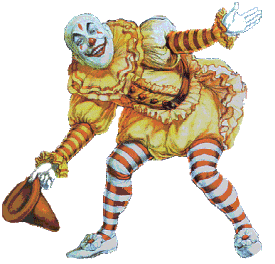
The English equivalent of the clown seen today did not emerge until
around the sixteenth century. However, the Puritans closed the English theaters in
1642 and when they reopened in 1660, clowns were not allowed. The English clowns
continued performing anywhere they could including improvised stages and at fairgrounds.
In Italy, from the 1500's to the 1700's a form of street theater called commedia del'arte
gave rise to such famous characters as Harlequin, with his colorful patchwork costume, and
Pierrot, one of the first clowns recorded to use whiteface makeup. French clowns
incorporated juggling, tightrope walking, and tumbling in front of fairground theaters.
Once the circus arrived in America, so did the clowns. Joseph Grimaldi created the
character Joey in the early 1800's. He used makeup to exaggerate his rubbery features.
He applied makeup designs over a base of pure white, which gave birth to the basic funny face
on which clowns still apply their greasepaint variations we see today. Clowns today are
referred to as Joey.

Dan Rice, known as "the original American white-face clown," made his first circus appearance in 1849. His trademark costume consisted of a goatee, top hat, blue leotard, and red and white tights. "Yankee Dan" is considered to have been the model for "Uncle Sam."