 Stakeholder
Workshop on Darjeeling Himalayan Railway (DHR)
Stakeholder
Workshop on Darjeeling Himalayan Railway (DHR)


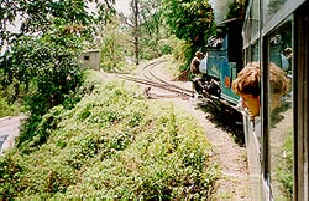
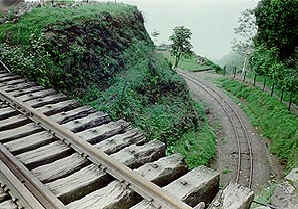

|
|
 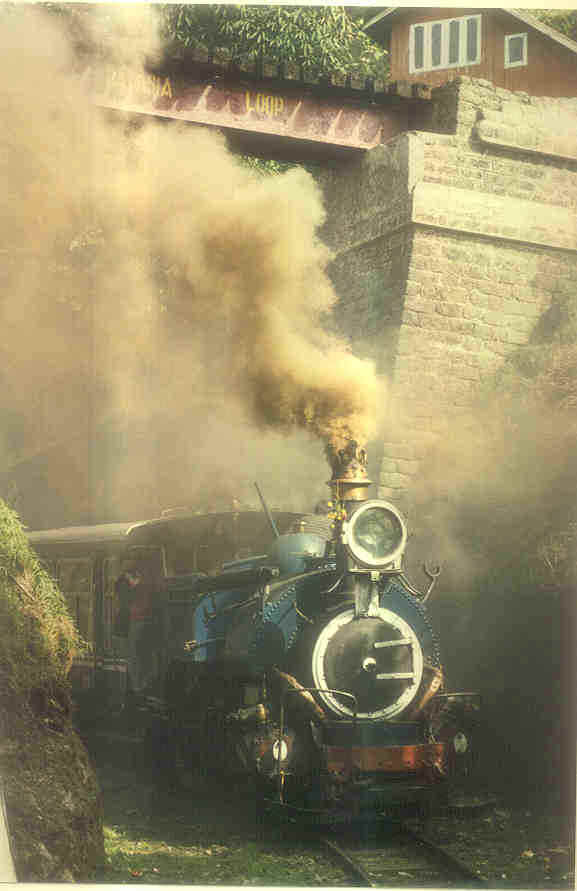 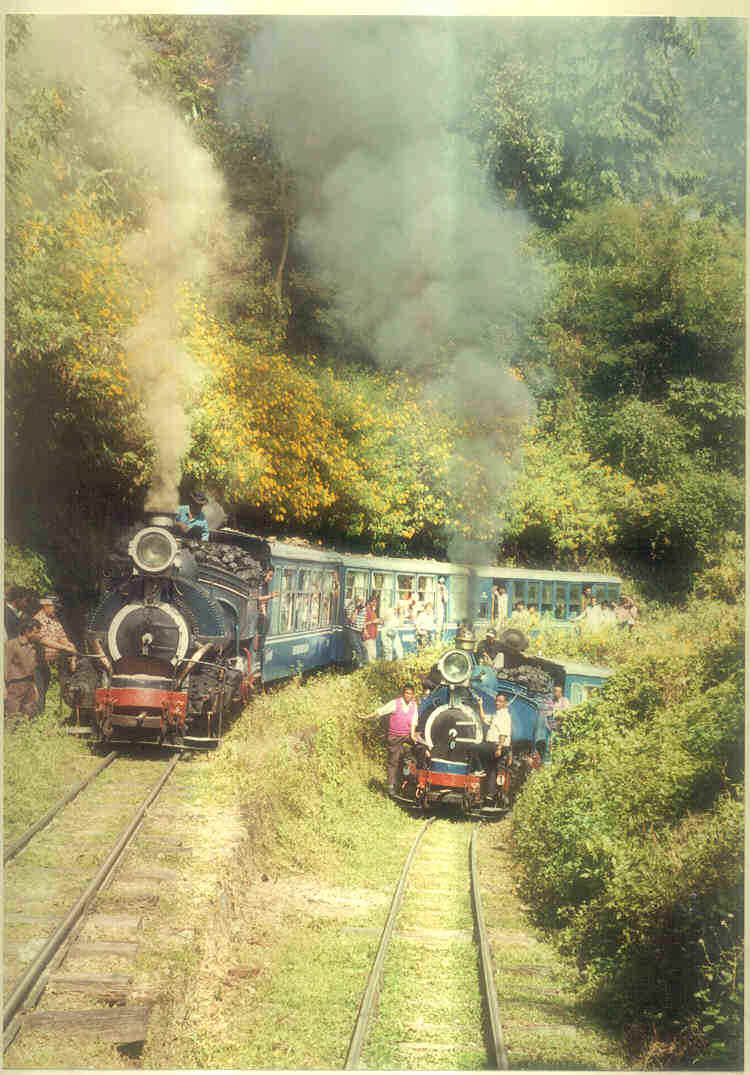  
|
Inscription
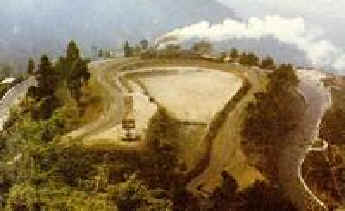
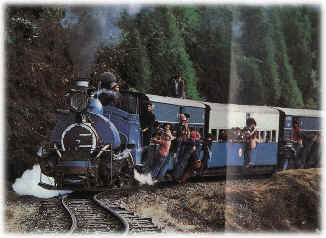
of Darjeeling Himalayan Railway (DHR) as a World Heritage Site. The Darjeeling Himalayan Railway (DHR) achieved world-wide fame for a number of reasons: -
National
Rail Museum (India), the focus of India’s Rail heritage, submitted a proposal
to UNESCO on 29th June 1998 for inscribing the Darjeeling Himalayan
Railway (DHR) as a World Heritage Site. DHR is a work of genius &
technological achievement of 1881. It has social & cultural importance. It
is beautiful and has out-standing universal appeal. As one of the outcomes of
the Industrial revolution and based on its unique features, it is considered to
be of lasting significance to mankind. It must be saved for posterity. These are
all the criteria necessary for World Heritage. Accordingly, various significant
aspects and initiatives being taken for this great system by the Indian Railways
were brought to the notice of UNESCO by National Rail Museum. Interaction, site
study and UNESCO’s evaluations continued through 1999. UNESCO's
World Heritage Committee inscribed DHR as a World Heritage Site on
2nd December 1999 stating the following reasons: -
i.
The Darjeeling Himalayan Railway is an outstanding example of the
influence of an innovative transportation system on the social and economic
development of a multi-cultural region, which was to serve as a model for
similar developments in many parts of the world.
ii.
The
development of railways in the 19th century had a profound influence on social
and economic developments in many parts of the world. This process is
illustrated in an exceptional and seminal fashion by the Darjeeling Himalayan
Railway. UNESCO’s
inscription described the DHR as follows: - “The Darjeeling Himalayan Railway is the first, and still the most outstanding, example of a hill passenger railway. Opened in 1881, it applied bold and ingenious engineering solutions to the problem of establishing an effective rail link across a mountainous terrain of great beauty. It is still fully operational and retains most of its original features intact.” UNESCO’s inscription of Darjeeling Himalayan Railway as a world heritage site in 1999 drew the attention of the Indian Railways to the following recommendations of ICOMOS for the DHR: - i. The creation of a heritage conservation unit; ii. The establishment of a buffer zone along the length of the Railway line and the stations; iii. The establishment of an adapted management plan. The Indian Railways are taking necessary action and progress has been advised to UNESCO.Back to Top
|
|
Convenor Rajesh Agrawal Director, National Rail Museum Chanakyapuri, New Delhi 110021 India. Tel: 91-11-6880804, 3304137 Fax: 91-11-6880804 Web: http://www.railmuseum.org Email: [email protected] Last Updated: Wednesday, October 03, 2001 06:36 PM |
