Index
|
 |
|
Franchise mode lets you take control of a team and build your franchise into a Super Bowl contender (many of the same options are available in Season mode, but only for one season). Real-life events and restrictions apply, such as the draft, free agency, salary cap, injuries, and retirees.
|
|
The Beginnings of a Dynasty
The first step in managing a successful franchise is to select a team. Take a close look at the prospective team's roster, taking into account the age of your players, their attributes, overall ratings, and what your team might need for the future. As you take your team through the first year, you have complete control of the team, acting as coach and the front office. You can sign, trade, or put players on the waiver wire. You can either let your team progress through the season on their own, or take control yourself.
|
|
After the Season
During the off-season you have various options for evaluating and tweaking your team. You'll have the opportunity to evaluate your current roster, resign or release players, consider trades, work the draft, and sign free agents.
|
|
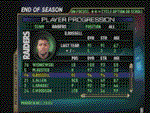 Player Progression
Each year, player ratings can improve or decline. Evaluate your roster to see where positions have changed. Use this information to shape your draft and free agent strategy. You'll also have a good idea of who is worth trading and who you'd like to keep.
Rookies from the draft and players in their first few years need extensive playing time to reach their full potential and develop into NFL stars. The progression of all players is based upon their statistical performance in each season and their years of pro experience.
When a player starts declining, he will generally continue on his downward spiral. So, when you start seeing diminishing returns from your aging players, consider trading or releasing them if a comparable player is available.
Keep an eye on not only the overall rating of players, but their individual attributes, too. For example, it doesn't help you if a receiver is progressing as a tackler. A player with a higher overall rating may hold out for more money; make sure you check out all their stats before spending money on them.
|
|
Retired Players
Retired players are blessings in disguise because they free up room under the salary cap. Cap room is a valuable aspect in franchise play. You might miss an experienced player, but you'll be able to spend more money on acquiring a quality replacement.
|
|
Individual Stats
Knowing how your players have performed in prior seasons makes it easier to decide whether to re-sign them. Studying statistics helps you survey the team's positives and negatives. Use this in conjunction with player progression info to determine who stays and who goes.
|
|