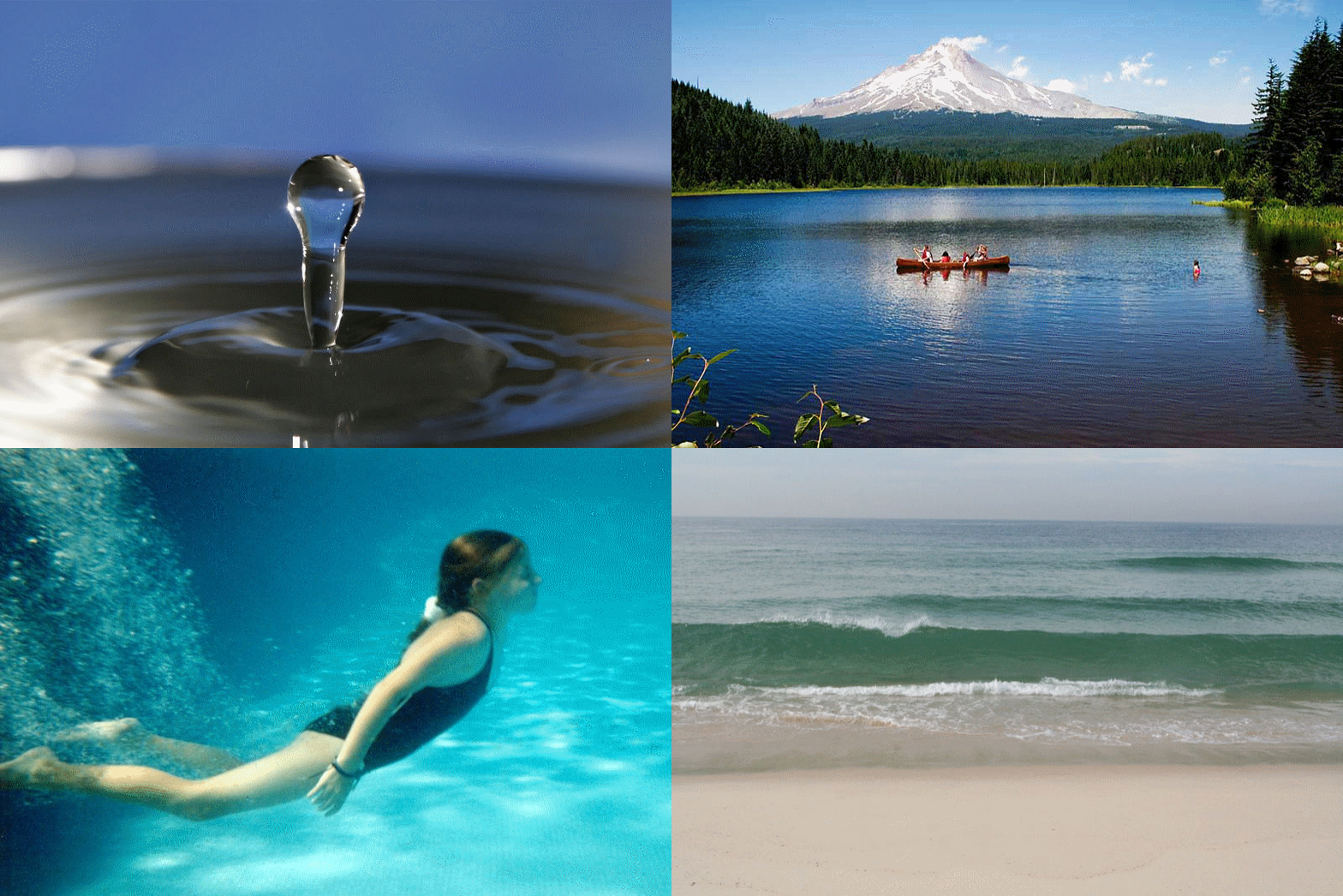
Water is a chemical compound with the chemical formula H2O. A water molecule contains one oxygen and two hydrogen atoms connected by covalent bonds. Water is a liquid at standard ambient temperature and pressure, but it often co-exists on Earth with its solid state, ice, and gaseous state, steam (water vapor).
Water covers 71% of the Earth's surface, and is vital for all known forms of life. On Earth, 96.5% of the planet's water is found in seas and oceans, 1.7% in groundwater, 1.7% in glaciers and the ice caps of Antarctica and Greenland, a small fraction in other large water bodies, and 0.001% in the air as vapor, clouds (formed of solid and liquid water particles suspended in air), and precipitation. Only 2.5% of the Earth's water is freshwater, and 98.8% of that water is in ice and groundwater. Less than 0.3% of all freshwater is in rivers, lakes, and the atmosphere, and an even smaller amount of the Earth's freshwater (0.003%) is contained within biological bodies and manufactured products.

OCEAN
An ocean is a body of saline water that composes a large part of a planet's hydrosphere. In the context of Earth, it refers to one or all of the major divisions of the planet's World Ocean – they are, in descending order of area, the Pacific, Atlantic, Indian, Southern (Antarctic), and Arctic Oceans. The word sea is often used interchangeably with "ocean" in American English but, strictly speaking, a sea is a body of saline water (generally a division of the World Ocean) partly or fully enclosed by land.
Earth is the only known planet to have an ocean (or any large amounts of open liquid water). Approximately 72% of the planet's surface (~3.6x10⁸ km2) is covered by saline water that is customarily divided into several principal oceans and smaller seas, with the ocean covering approximately 71% of the Earth's surface. The ocean contains 97% of the Earth's water, and oceanographers have stated that only 5% of the ocean as a whole on Earth has been explored. The total volume is approximately 1.3 billion cubic kilometres (310 million cu mi) with an average depth of 3,682 metres (12,080 ft).
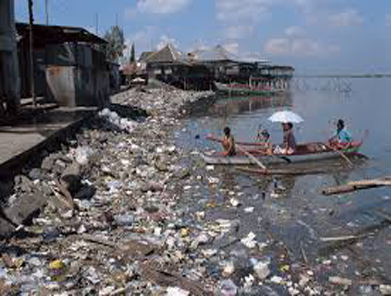
WATER POLUTION
Water pollution is a major global problem which requires ongoing evaluation and revision of water resource policy at all levels (international down to individual aquifers and wells). It has been suggested that it is the leading worldwide cause of deaths and diseases, and that it accounts for the deaths of more than 14,000 people daily.
An estimated of 580 people in India die of water pollution related sickness every day. Some 90% of China's cities suffer from some degree of water pollution, and nearly 500 million people lack access to safe drinking water. In addition to the acute problems of water pollution in developing countries, developed countries continue to struggle with pollution problems as well. In the most recent national report on water quality in the United States, 45 percent of assessed stream miles, 47 percent of assessed lake acres, and 32 percent of assessed bays and estuarine square miles were classified as polluted.
Water is typically referred to as polluted when it is impaired by anthropogenic contaminants and either does not support a human use, such as drinking water, or undergoes a marked shift in its ability to support its constituent biotic communities, such as fish. Natural phenomena such as volcanoes, algae blooms, storms, and earthquakes also cause major changes in water quality and the ecological status of water.
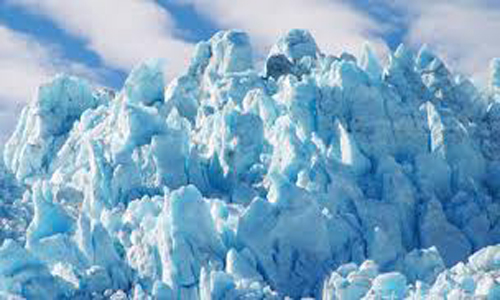
CRYOSPHERE
The cryosphere is those portions of Earth's surface where water is in solid form, including sea ice, lake ice, river ice, snow cover, glaciers, ice caps and ice sheets, and frozen ground (which includes permafrost). Thus, there is a wide overlap with the hydrosphere. The cryosphere is an integral part of the global climate system with important linkages and feedbacks generated through its influence on surface energy and moisture fluxes, clouds, precipitation, hydrology, atmospheric and oceanic circulation. Through these feedback processes, the cryosphere plays a significant role in the global climate and in climate model response to global changes.