|
 Wells, tanks, natural lakes and streams with systems for the extraction of water for irrigation or domestic purposes that do not reduce the resource beyond the levels essential for their maintenance, possibly through artificial recharge, are the schemes that can be considered to be in consonance with nature. Since such schemes also maintain the ecological balance, they must be considered to be the best for the harnessing of our precious water resources. Wells, tanks, natural lakes and streams with systems for the extraction of water for irrigation or domestic purposes that do not reduce the resource beyond the levels essential for their maintenance, possibly through artificial recharge, are the schemes that can be considered to be in consonance with nature. Since such schemes also maintain the ecological balance, they must be considered to be the best for the harnessing of our precious water resources. 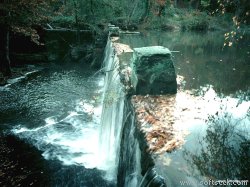 Indeed if tanks and lakes are expanded, or new and larger reservoirs are built for the storage of excess rain or flood waters in the command areas of existing canals, these could meet the needs of a growing population without destroying the natural surface and ground water systems that have evolved in nature through thousands of years. In India canals were constructed for conveying such excess waters to command area reservoirs since ancient times and even in pre-historic periods. The storage of water in them, in fact, reinforces the ground water systems, thereby raising the water table and greatly benefiting the poor farmers who are dependent on wells. Artificial recharge of ground water through canals has also been mentioned by Dr. Zhang in his paper referred to above. But for this to be effective, aquifers and aquitards of the area must be mapped in some detail, and recharge canals should supply water to these through tanks with bores or wells or deep bores. Alas we have forgotten this art in modern India. Indeed if tanks and lakes are expanded, or new and larger reservoirs are built for the storage of excess rain or flood waters in the command areas of existing canals, these could meet the needs of a growing population without destroying the natural surface and ground water systems that have evolved in nature through thousands of years. In India canals were constructed for conveying such excess waters to command area reservoirs since ancient times and even in pre-historic periods. The storage of water in them, in fact, reinforces the ground water systems, thereby raising the water table and greatly benefiting the poor farmers who are dependent on wells. Artificial recharge of ground water through canals has also been mentioned by Dr. Zhang in his paper referred to above. But for this to be effective, aquifers and aquitards of the area must be mapped in some detail, and recharge canals should supply water to these through tanks with bores or wells or deep bores. Alas we have forgotten this art in modern India.
|