EIRENNIA SCOTIA
Information on the Hibernian State ∫ A service of the Ministry of Foreign Affairs
GET INFORMATION








CLIMATE
TEMPERATURE • RAINFALL • BIOMES
The Hibernian climate is temperate maritime to moderate tropical depending on the season. National temperature averages 73ºF in the summer and 58º in the winter.
The isles receive an annual national average of 58.23 inches of rain. The months of April and May receiving the most rain. The general impression is that it rains quite a lot of the time in Hibernia but in fact two out of three hourly observations will not report any measurable rainfall. The average number of wet days (days with more than 0.04 inches of rain) ranges from about 150 days a year along the west and south-west coasts, to about 225 days a year in parts of the north and north east. You can expect to see the usual short heavy rainstorm or even thunderstorm in the early afternoon. The driest area in Hibernia are the southern and western coasts of Kerry and Gallia.
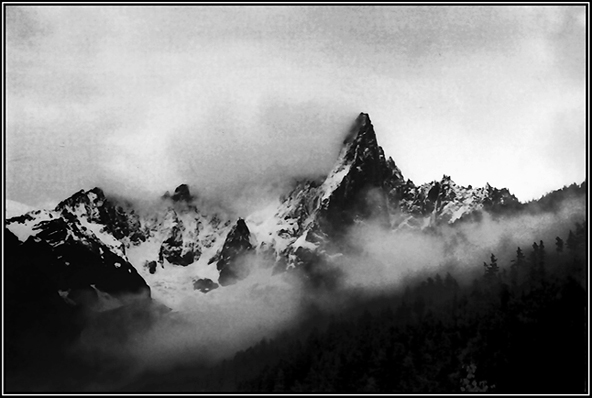
Only areas of elevation greater then 3500 feet receive snowfall in the winter months. Hibernia has only two mountain ranges that reach these altitudes. In the north the Ben Morgh Peak reaches just above the winter snow line at 3761 ft. To the south, the Hibernian Mountain range has peaks reaching well beyond the winter snow line. The Grindelwald (5219 ft) and Baden- Powell (6723 ft) peaks have snow cover for almost seven months. The Hibernian Range has several seasonal winter sport facilities.
Hibernia is home to a variety of biomes. There exists five ecological islands on Hibernia proper alone. These are: the tropical deciduous forest, deciduous forests, coniferous forest, and the Mediterranean grassland.
The tropical deciduous forest in the east and surrounding islands is similar to a tropical rainforest except for a less dense canopy, shorter trees, and fewer layers. The variety of trees is not as diverse as in other tropical biomes, but there is a greater variety of shrubs and other lesser plants. However, the tropical deciduous forest is more dense than the deciduous forests of the interior. The tropical deciduous forest is the largest biome in Hibernia.
The interior rolling hills are a cultivated part of the interior deciduous forest. Areas that have not been cultivated remain characterized by a fairly dense growth of tall broad leaf trees with interwoven branches that provide complete canopy in summer.
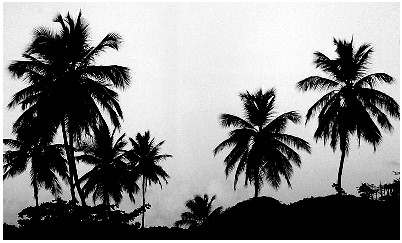
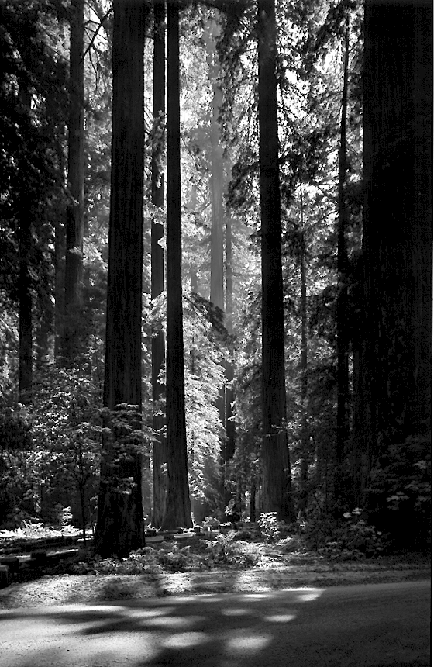
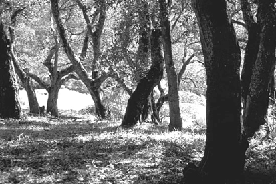
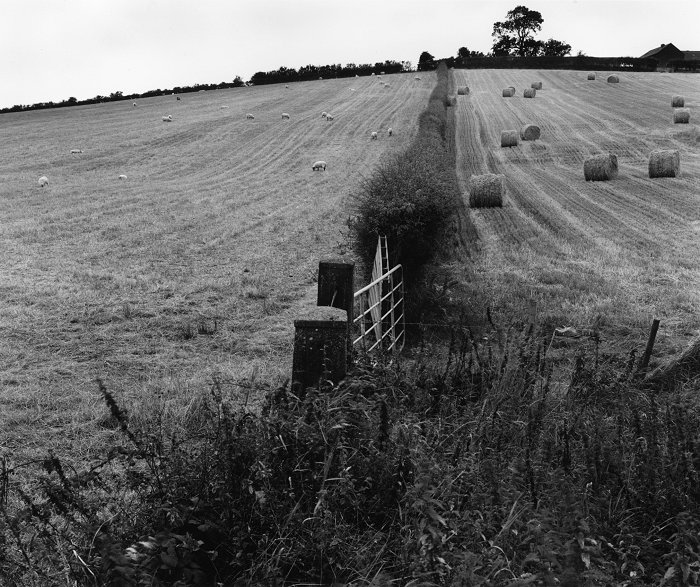
Hibernian Climatic Variety: (clockwise) Southern Coastal Palms, Mountain Coniferous Forest, Central Hill Plains, Deciduous Forest
At higher altitudes, starting at the bases of the Ben Morgh and Hibernian mountain ranges, coniferous forests composed almost entirely of large evergreen trees. Many trees reach heights above 150 ft. The largest being 284 ft tall and 30 feet across at the base.
The Mediterranean grassland along the southern coast of Hibernia is the smallest of the ecological islands. The Hibernian Range creates a wall that prevents many cloud developments from reaching this area. Summers are significantly drier. Wildfires are common and essential to normal ecological rhythm. Indeed, some species of plants have seeds that are released for germination only after the heat of fire has caused their seed pods to open. The fauna of this biome is not particularly distinctive and there is a general overlap with adjacent biomes.
The State of Independence