
Thai Culture
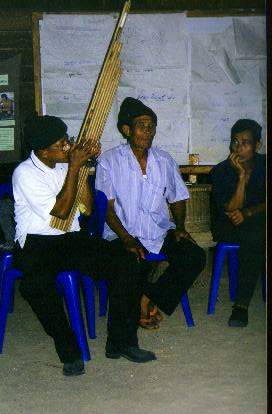
A range of Thai music instruments exists and are frequently used for relaxation. This here is the "Ken" and can be compared with the American Pan Flute, both made out of bamboo and waxes used to change the tones.

The Grand Palace with Wat Prakaew is the most important Temple where royal ceremonies still take place, such as the changing of the season wades of the Emerald Buddha by the King himself. Buddhism and King Bhumipol have an eminent role in Thai culture, which is required to be respected at all times. Tourist visiting this magnificent Palace need to be aware of the regulations on how to dress. No bare shoulders, no bear legs, a long skirt for women, and no bare ankles. With proper dress the values of the religion are respected.

Buddhism goes back 2543 years and has spread over a large area of Asia. Remnants of different styles of worshipping in the range of eras are still found in some remote places where tourism still has a minimal impact on local economies or daily lifes.

Rice farming is still and will always be the most important crop for Thailand. The country is one of the largest producers in the world. Here the fields are ploughed at the start of the monsoon, still with the help of another Asian animal, the water buffalo, or the "Khwaai" in Thai.

The Asian Elephant is one of the most important symbols in Thailand. Nowadays they play an invaluable role in tourism, where they used to be working in the logging business before. As this has legally seized to exist, it is hard to find alternative work for them and their care takers, the mahouts. Elephants seen in cities wandering the road with their mahouts are begging for food in order to survive. Sadly this has resulted in deadly accidents and perhaps more stressed animals. These wonderful creatures need to live in the forest where they are able to consume masses amounts of vegetation, which no mahout could ever provide.

Temples you find in thousands and on rather unspoiled and quiet places, such as here in Khao Ta Kiab in Prachuab Kirikan province.

