
for Science 8
Home
Multiple Intelligences
MI Lesson Plan
Teaching Perspective & Learning Styles
Project Based Learning
Useful PBL Websites
Technology in Education

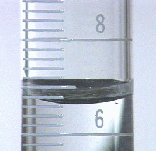
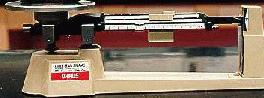
Define density , calculate density , describe and find examples of varying densities , classify objects according to density , apply knowledge of density to real world scenarios
Materials
Pen, paper, text , various objects and substances , rulers , balances for measuring mass , overflow cans , data sheets for recording results , graph paper , 3 blocks of same wood � different sizes, shapes , 3 different liquids
Introduction
Discuss the meaning of density in class.
Give examples using items in the classroom.
Ask students to give/show examples.
Ask students how they may find/calculate the density of an object or substance based on its definition.
Find the densities of some items in class using the appropriate formula.
How does density affect the buoyancy of an object or substance?
Why doesn�t an oil spill mix in with the water?
How does a whale float and sink? Compare a whale to a submarine.
Students will prepare a data sheet with three tables. In the first table they will record the mass and volume of three different size blocks of the same wood and then compare their densities. The second table will display the mass, volume and density of three different liquids. In the third table students will use one liquid only and measure the mass of 100mL, 200mL, 300mL, 400mL, and 500mL. Students will then calculate the density to see if it changed with volume and mass. A graph will be draw to display results.
Skills of Lesson
Calculating density
Calculating mass, using a balance
Calculating volume (3 different ways depending on the shape of the object)
Graphing
Drawing diagrams
Writing, drawing conclusions from the data
Conclusion
Review with the class the meaning of density. Compare results of different groups. Discuss similarities and differences among groups. What affects the density of an object? What is the density of water? Does density change when mass and volume change? How did you choose to measure the volume of odd shapes? How can you determine if a ring is pure gold or a mixture of different metals? How does density affect the buoyancy of a fish or whale? Why do some things float and others sink? Compare the density of salt water and fresh water. Why can people float so easily in the Red Sea? What causes the Red Sea to be denser than others?
Evaluation
The lesson will last at least a week allowing students to perform calculations and to answer questions both individually and in groups.
Logical Mathematical � students must calculate density, mass, and volume. They must also remember to only give the mass of the substance and not its container.
Spatial � Different shapes and concrete manipulatives are used.
Bodily Kinesthetic � Students manipulate the object and substances in question. They must measure accurately with the lab instruments.
Interpersonal � Students will work in groups for the lab component. They receive feedback from the teacher as they progress through the lab. They explain what they have found.
Intrapersonal � Students will not be guided step by step through the lab unless necessary. A general instruction will be given and they must figure out how to accomplish it. They will write their own conclusions in their own reports and attempt to answer questions they apply to the concept of density.
Naturalist � Students will discover the implications of varying densities in nature and how organisms are affected.
Existential � Think about how density affects nature