






















View My Guestbook
Sign My Guestbook


View or Post to our
Family Tree Message
Board!


|
|

Whether over here or over there, what will the weather be in Edinburgh or Rome.


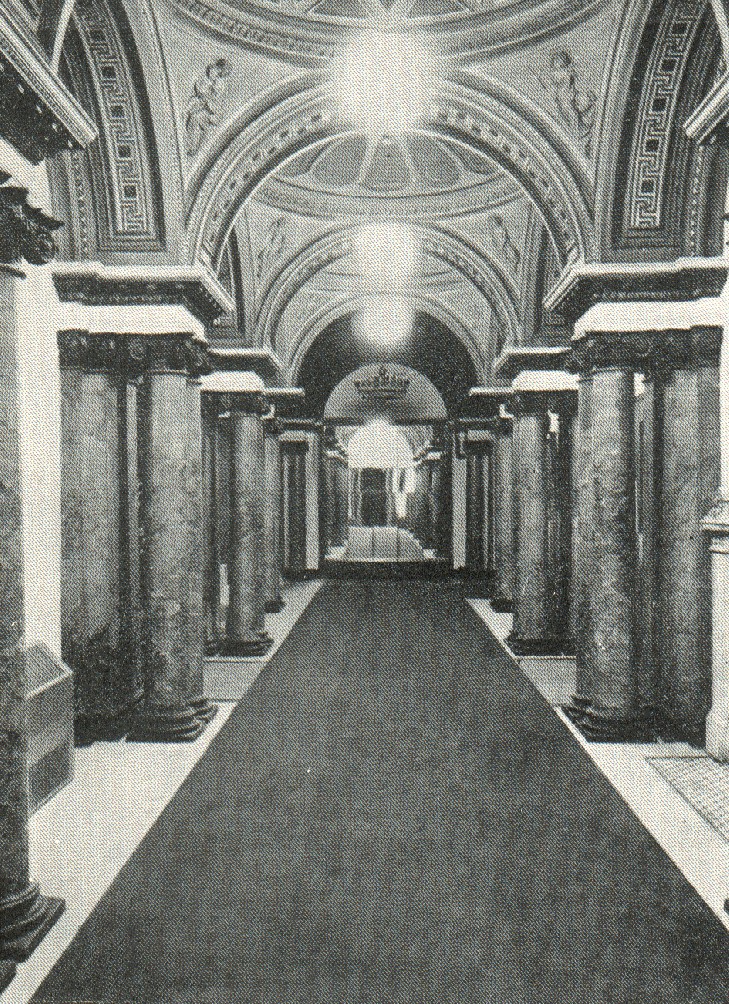
Many of the younger readers of this website will not remember the Casa d'Italia, a landmark building lined with marble colonnades located at 22 Park Circus, Glasgow which first opened its doors in 1935.
 A great testament to the people at the time was that the
building was purchased through public contributions from the within the Scottish
Italian community and much needed repairs were carried out by Scottish Italian
skilled labourers and artists.
A great testament to the people at the time was that the
building was purchased through public contributions from the within the Scottish
Italian community and much needed repairs were carried out by Scottish Italian
skilled labourers and artists.
Indeed many Italian dignitaries, including high ranking officials visiting Scotland almost always visited the Casa d'Italia in their professional capacity.
It's founding can be credited to the fascio an organisation created in Glasgow in 1922 (and London simultaneously) consisting of WWI veterans and based on the ideology of the fascist movement that was emerging in Italy at the time. The fascio were also responsible for the creation of the Union of Italian Traders set up in 1928, which just ten years later boasted a 1000 members in Scotland alone, the first organisation that actively brought many Scottish based Italians together on this scale. There were also fascio societies located in Edinburgh (Picardy Place) and Stirling with representatives in Motherwell, Paisley and Coatbridge.
The Casa acted as a beacon for all Italians living in
Scotland, a focal point where many met regularly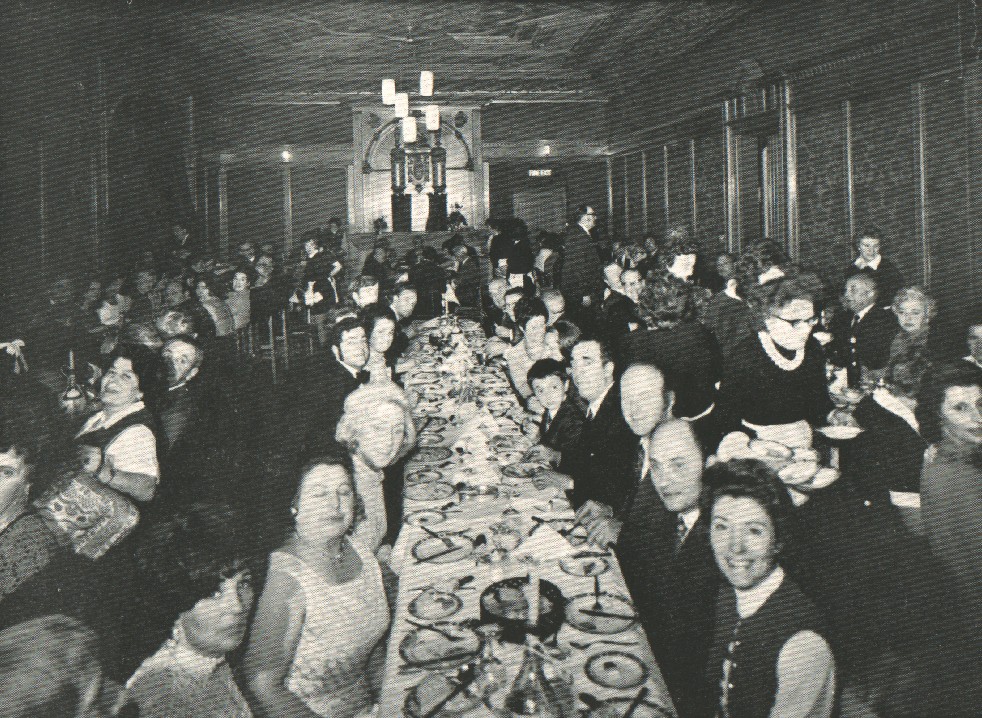 socially and for business,
travelling from all corners of the country.
socially and for business,
travelling from all corners of the country.
I was under the impression that the responsibility for running the Casa was administered by a committee consisting of an even split between those who had origins from the North and those from the South of Italy, with a Chairman holding the casting vote. However, I am assured that this was not often the case and was in fact a frequent bone of contention ! One of the longest serving Chairmen was Mr. Moscardini, a lawyer who originated from Barga.
According to Bruno Sereni author of They Took The Low Road, the main aims and objectives of the Casa were:
- To provide a social club for the Italian Community.
- To conduct Italian language classes to children.
- To encourage societies for the creation and maintenance of an interest in Italian Culture.
- To run orchestral and dramatic societies.
- To pursue objects of a national or cultural nature.
- To do all things as are incidental or conducive to the attainment of the above.
The dopolavoro club was an integral element, which often organised dinner dances and the screening of Italian films (commonly at Green's Playhouse). In addition the Casa introduced an evening school to teach Italian to children.
During the Great War a large number of UK based Italians went and fought for Italy and I believe that a monument was erected to ten soldiers that fell who had been based in Glasgow.
Unfortunately the Casa closed its doors for the last time in 1989, bankrupt and in a state of disrepair.
I'm not sure of any Scottish Italian organisations that still exist today though I have heard of the Scottish Italian Graduates Society (Glasgow University), Club Romano (Dundee), Circolo Italiano (Greenock), Lucchesi nel mondo (Paisley) and the Aberdeen Italian Society.
If you have any information, photographs or stories from the Casa or indeed know of an active Scottish Italian Society then please email me and let me know.