 |
|
|
|
|
|
|
|
|
|
|
|
|
|
|
|
|
|
|
|
|
|
|
|
|
|
|
|
|
|
|
|
|
 |
|
|
|
|
|
 |
|
|
|
 |
|
|
|
|
|
"It is worth a Potosí"
That is what they used to say during colonial times around the world when they referred to something that had an unimaginable net worth.
"I am rich Potosí, the treasure of the world and the envy of kings." So ran this motto,
when over three centuries ago it produced enough precious metal to "build a bridge from Potosí to spain.", though Cerro Rico is still mined for tin and other minerals. And so it continues to rule life at Potosí, as it looms over the inhabitants who scratch a living from this perch at the top of the
world. (Extracted from Aboard magazine november 96)
Potosí was once the largest city in Latin America. Colonial and with a brilliant past, this city is located at 4060 meters above sea level. Its extremely high altitude and its stone made architecture perfectly preserved take its visitors on a trip to the past.
|
|
|
|
|
|
|
 |
|
|
|
|
|
|
|
The indian Diego Huallpa discovered the first silver vein of the Cerro rico. From that time on, the ice cold wind of the zone carried the news of a magnificent mountain which kept great riches inside, never dreamed of. The fantasies of the "conquistadores" created dream places in which sand and stones were made of gold, but no fantasy nor dream surpassed what Cerro Rico really held.
Five thousand shafts of mines were dug. About eight million workers have gone through the hill digging and taking out the precious metal in time.
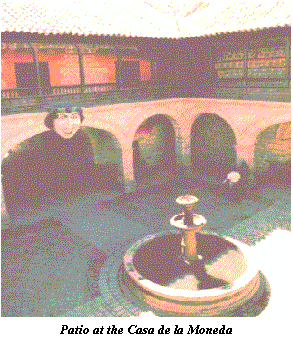
Potosí is history by itself. You can visit the "Casa de la Moneda" or Treasury Building, which served as minting facility, fortress and prison. This museum covers one block and will show you how wooden wheels and cogs operated by native americans and african slaves pressed the sheets of silver
|
|
|
|
|
|
|
|
|
|
 |
|
|
|
|
|
|
|
|
that were later turned into coins.
You may want to walk through Potosí's narrow, colonial streets, but be advised that it is strongly recommended that you first rest as soon as you arrive to this high altitude city and climatize your body.
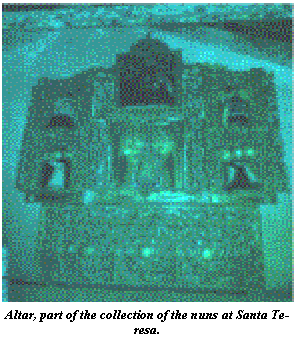
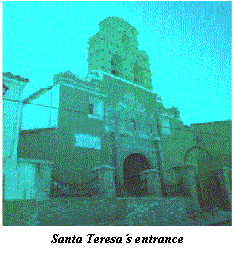
As you walk, you will notice colonial houses and churches from left to right, each with its own architectural style, for example you will find the convent of Santa Teresa open to the public from 4:00 to 6:00 in the afternoon. This convent is
|
|
|
|
|
|
|
|
|
|
|
|
|
|
|
Patio inside Santa Teresa
|
|
|
|
|
|
|
|
|
 |
|
|
|
|
|
|
|
|
|
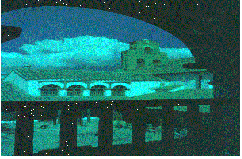
particularly attractive because of its thick wooden portals and beautiful gardens and interior patios. You will be fascinated, but, there is more, a room with a collection of colonial paintings, furniture and altars wich the nuns take care of and maintain.
Potosí is a reminder of past days when dreams and fantasies of finding the greatest riches went on dayly.
|
|
|
|
|
|
|
|
|
|
|
|
|
Contact Information:
Issa Tours & Travel - Cochabamba, Bolivia
[email protected]
Phone: 591 (4) 453-2242 or 591 (4) 453-0532
Fax: 591 (4) 453-0532
|
|