 |
|
|
|
|
|
|
|
|
|
|
|
|
|
|
|
|
|
|
|
|
|
|
THERE HAVE BEEN A LOT OF BOOKS WRITTEN ABOUT SELF INJURY HERE ARE REVIEWS ON A FEW OF THEM |
|
|
|
 |
|
|
|
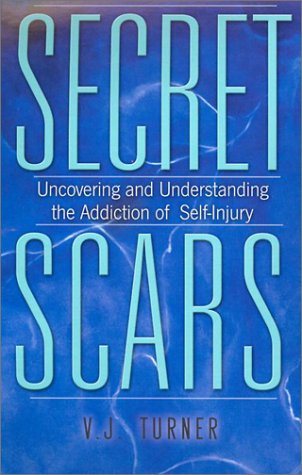
I have read many books on Self Harm and i really enjoyed the perspective that this author gave on the addicitive nature of self harming and the cycle of such behaviours. As a psychologist working with young people i think that it is crucial to consider how self harming can become an addictive act/process and that treatment / the road to recovery will need to assess the amount of addictiveness within each individual's experiences so that the addictive nature of the behaviour can be understood and addressed. I really liked the way that the cycle of emotions, thoughts, feelings and behaviours were drawn into diagrams giving visual representations of what people experience. I agree that the book is not an 'easy' read - i have found myself re-reading sections and looking back at previous diagrams as i have read more of the book. However, overall i have been impressed with the ideas contained in the book and have not encountered a book with such an emphasis on the addictive nature of self harming behaviour |
|
|
|
|
|
 |
|
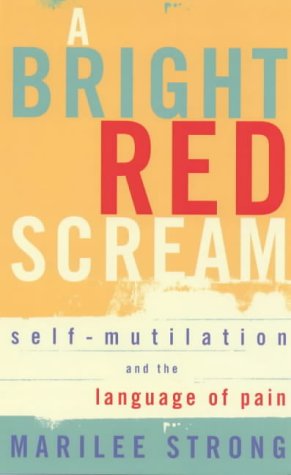
Having self-harmed myself, though cutting was not my main way of doing so, and working with people who do, I found this book very insightful. Its strength is that the author listens and quotes the people who self-harm, sees them as people not as cases, and offers a variety of explanations, theories etc. She comes at it as someone interested not as someone whose job it is to cure. I find this a very positive and helpful approach. In my own work, I do not focus on stopping someone's self-harming but am interested in them as whole people - and in the long run, that is what helps people, whether or not they stop cutting etc. This book should be read by everyone who has any connection to anyone who self-harms - especially anyone who is a professional and thinks they know it all. And of course to anyone who does self-harm, or cares about someone who does |
|
|
|
|
|
 |
|
|
|
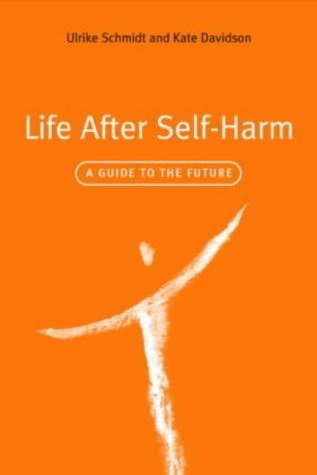
Life After Self-Harm: A Guide to the Future is written for individuals who have deliberately harmed themselves. Developed through a major research project the contents of the manual has been informed and shaped by many users and expert professionals. Illustrated with multiple case-histories, it teaches users important skills: * for understanding and evaluating self-harm * for keeping safe in crisis * for dealing with seemingly insolvable problems * for developing coping strategies * for re-connecting with life. Health workers who regularly come into contact with individuals who have self-harmed will find the wealth of practical advice in this book extremely valuable for recommendation to patients either as a self-help book, or in the context of brief therapy. |
|
|
|
|
|
[email protected] |
|
|
What Is Self Injury? Information For Friends & Family Distractions For When You Feel The Urge To Self Injure Experiences The Founders Of This Site A Week In The Life Of Different Forms Self Injury Can Take Your Experiences Medication If Your Suicidal Read This First Statistics Book Reviews DBT |
|