Agriculture
Japan’s agriculture accounts for 3 % of Japan’s gross domestic product and employs 9 % of the nation’s workers. About 15% of the land in Japan can be cultivated. Japanese farmers produce about 70 %of the food needed to feed the nation’s people and it imports the rest that is needed.
Japanese farms average only about 2.4 acres. But they produce extremely high yields per unit of land. Japanese farmers make their land as productive as possible through the use of irrigation, improved seed varieties and modern agricultural chemicals and machinery. The Japanese islands are so mountainous that level farmland is scarce. Farmers are therefore forced to grow some crops on level strips of land cut out of the hillsides.
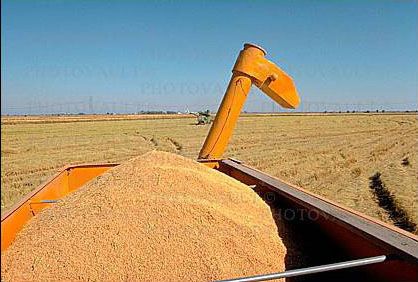
The most important crop in Japan is rice. Japan is one of the world’s leading rice producing countries. Rice fields occupy more than 50 per cent of the country’s farmland. Japanese farmers also raise a wide variety of other crops, including sugar beets, tea, tobacco and wheat. Mulberry bushes are also grown on some hillsides.
Before World War II, many Japanese farmers rented their land from large landholders. These farmers paid their landlords as much as 50 % of their harvest for their rent. After the war, a large land-reform program reduced the holdings of the landlords and enabled tenant farmers to buy their land they worked. As a result, about 90 % of Japanese farmers today own their land.
 Welcome
Home
Introduction
History
Government
Population
Fishing
Mining
Service Industries
Links
About Us