 |
|
|
|
|
|
|
|
|
|
|
|
|
|
|
|
|
|
|
|
|
| Omega-3 Diet/Supplement Page | ||||||||||||||||||||
 |
||||||||||||||||||||
 |
||||||||||||||||||||
|
Diet is the prime link to good health
It has long been established that diet is the prime link to good health. When Japan moved from its traditional diet of simple marine food to the western-based diet of processed foods, their rate of heart disease rose dramaticaly. Conversely, when Norway was forced to return to its traditional diet of marine life during shortages of World War ll, the death rate (of heart disease, cancer etc.) dropped by 40%. This rate, however, returned to normal levels as soon as the war ended and Norwegians returned to the western diet. It is of great interest that during the war, the Norwegian decrease of heart disease coincided with a 50% increase in Omega-3 intake. Another example of the health benefits of a traditional marine diet, high in Omega-3, is to be found with the Inuit of the High Artic. Despite their large daily intake of fat, the Inuit blood lipids remained within normal levels, their incidence of heart trouble was low and they were relatively free from hardening of the arteries. Like incidence of diet-based disease has risen to the western levels. (click: Dietary Deficiencies in Modern Times) Diet-Based Disease It should come to no surprise therefore that during this period of incresed diet-based disease, the amount of Omega-3 fatty acids consumed in a normal diet has dropped by up to 80%. About 40 years ago, health authorities recommended that western diets increase their consumption of PUFA's to lower cholesterol levels. This led to a marked increase in the consumption of vegetable oils which provide the essential Omega-6 PUFA's but not the Omega-3's. It has now been found that an excess of Omega-6 interferes with the benefits of Omega-3, thus making an existing Omega-3 shortage more acute. (click: Omega-6 imbalance) Omega-3 Deficiency Over the past five thousand years, western society has evolved from a hunting diet to one largely based on agriculture. Many nutrients formally consumed in abundance have now become scarce. One of the nutrients still considered absolutely essential for our good health and development, but now largely missing from our diets, is the family of polyunsaturated fatty acids (PUFA's) known as the Omega-3's. Coupling this fundamental change in dietary nutrients with our society's rapid adoption of highly processed foods, it is little wonder that western society is experiencing an impressive escalation in diet-based disease. These dieseases range from atherosclerosis, cancer, diabetes, obesity, asthma and skin diseases to premature aging. (click: diseases associated) | ||||||||||||||||||||
 |
||||||||||||||||||||
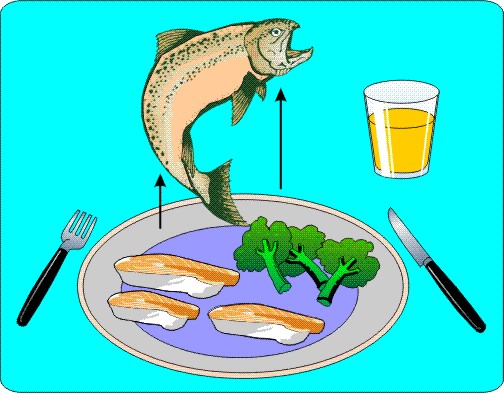
| Marine diet Omega3 prolong life |
||||||||||||||||||||
| Omega-3 deficiency causes diseases, aging (So, eat more Real Fish meal.......Mmm) |
||||||||||||||||||||
| Links: | ||||||||||||||||||||
| "Specification" of Omega-3 Seal Oil | ||||||||||||||||||||
| "Superiority" of Omega-3 Seal Oil, comparing with Fish Oil/Flaxseed Oil | ||||||||||||||||||||
| Omega-3 Seal Oil vs Fish Oil as source of n-3 Polyunsaturated Fatty Aids (n-3 PUFA) | ||||||||||||||||||||
| Comparing Omega-3's from Fish and Flaxseed Oil | ||||||||||||||||||||
| Comparing Fish Oil vs Flaxseed Oil | ||||||||||||||||||||
| Table: Comparing Marine Oil with Fish, Flaxseed and Other Oils | ||||||||||||||||||||
| Beneficial Effects of Omega-3 Seal Oil | ||||||||||||||||||||
| Heart Health Glossary | ||||||||||||||||||||
