I read a highly disturbing article about a reportedly growing number of gay men who are actively trying to contract HIV. They call HIV "the gift." The HIV-positive person is called the "gift giver"; the HIV-negative person who wants to get infected is known as the "bug chaser." Louise Hogarth made a documentary on the subject.
These men are usually young, in their 20s, and many of them don't know anyone who has died of AIDS. Some say they are just trying to fit in, or they feel left out; others claim to suffer from survivor guilt. Gay organizations have possibly been misdirected in their seemingly glamorous portrayal of HIV-positive men taking life-saving drugs who have beaten the odds and live relatively healthy lives.
If indeed these guys don't know anyone who's died or suffered the horrific effects of pneumonia or Kaposi's sarcoma, they should talk to the rest of us who have lost close friends and lovers to HIV. They should have met Joel and David. When I met them in 1984 they were fun, flamboyant hairdressers. Joel was the brother of my first boyfriend, Jay, and David was his partner of 14 years. They lived in Long Beach and were big movie fans. David had a Southern accent, being from a few degrees above the Mason-Dixon line in Camden, New Jersey, and sounded like Fred Schneider of the B-52s. He was a great cook and always had funny stories to tell. Their customers loved them. When Jay and I decided to move to DC, Joel and David rented a U-Haul for us and helped us move all of our belongings to Capitol Hill. Joel was the first to die, in 1986, of complications from pneumonia. David followed him, in 1988. I was so scared at seeing how the virus literally made them waste away, I vowed never to have unsafe sex, a promise I have kept to this day.
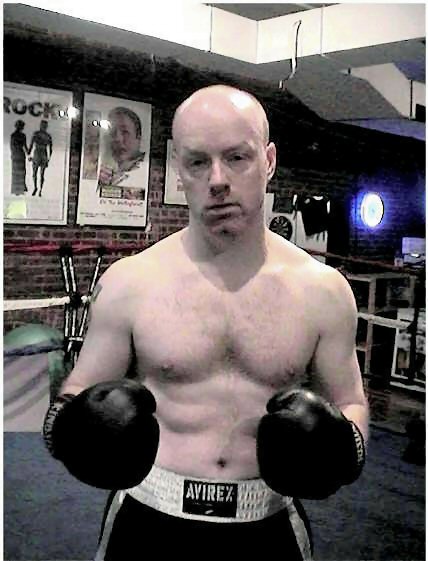
These bug chasers might also change their minds if they'd known Bill. When I first met Bill in DC, through our mutual friend Frank, he was down-to-earth and energetic. Ten years older than I, he took each day as an adventure. I taught him how to box. He was a great student, always asking questions and diligently practicing so he could get better. But a few months after we met, he stopped returning my calls. I didn't understand why. Six months later, Bill called to tell me that he had AIDS. He said he'd understand if I didn't want to talk to him again. I was furious with him, but not because he had AIDS. I was angry because I felt that we'd lost six months of time that we didn't have. The "cocktail" didn't exist yet, and Bill began trying every alternative therapy available. We started hanging out again, and I felt that every day we had was special. We'd drive from DC to New York on weekends in his beat-up orange VW camper bus, and despite the progression of his illness, he still wanted to box.
When Bill told me that he hadn't told his family that he was gay, much less that he had HIV, I encouraged him to take a chance and come out. His family was not only supportive, but they became his strongest advocates for finding a cure and a way for Bill to live comfortably. Bob and June were in their 70s, and probably the last thing they'd expected was to survive their son. Bill had a house built for them in Acme, Pennsylvania, and I visited him several times after he moved there. The last time I saw him, he had thrush, and the effects of chemotherapy and radiation had all but made him look like burn victim. He was taking medication several times a day, but nothing seemed to be working. Two years after I met Bill, he died quietly in his sleep, but as his dad said, "He went down like a champ."
It wasn't until I read Bill's obituary in the DC papers that I learned that he had been an environmental engineer who singlehandedly reshaped many of the failing national parks. He had achieved so much in his life that made a difference, and yet he never boasted about any of his accomplishments. He was a truly humble, passionate person whom I will miss always. I still feel connected to him, since he introduced me to Scott, who introduced me to Luis.
If these bug chasers could only look to someone other than themselves and realize that maybe they will be killing not only themselves but others too, they might see that the real gift is having time to spend with someone you care about, especially when you know your time with them is limited.
Continue reading...
These men are usually young, in their 20s, and many of them don't know anyone who has died of AIDS. Some say they are just trying to fit in, or they feel left out; others claim to suffer from survivor guilt. Gay organizations have possibly been misdirected in their seemingly glamorous portrayal of HIV-positive men taking life-saving drugs who have beaten the odds and live relatively healthy lives.
If indeed these guys don't know anyone who's died or suffered the horrific effects of pneumonia or Kaposi's sarcoma, they should talk to the rest of us who have lost close friends and lovers to HIV. They should have met Joel and David. When I met them in 1984 they were fun, flamboyant hairdressers. Joel was the brother of my first boyfriend, Jay, and David was his partner of 14 years. They lived in Long Beach and were big movie fans. David had a Southern accent, being from a few degrees above the Mason-Dixon line in Camden, New Jersey, and sounded like Fred Schneider of the B-52s. He was a great cook and always had funny stories to tell. Their customers loved them. When Jay and I decided to move to DC, Joel and David rented a U-Haul for us and helped us move all of our belongings to Capitol Hill. Joel was the first to die, in 1986, of complications from pneumonia. David followed him, in 1988. I was so scared at seeing how the virus literally made them waste away, I vowed never to have unsafe sex, a promise I have kept to this day.
These bug chasers might also change their minds if they'd known Bill. When I first met Bill in DC, through our mutual friend Frank, he was down-to-earth and energetic. Ten years older than I, he took each day as an adventure. I taught him how to box. He was a great student, always asking questions and diligently practicing so he could get better. But a few months after we met, he stopped returning my calls. I didn't understand why. Six months later, Bill called to tell me that he had AIDS. He said he'd understand if I didn't want to talk to him again. I was furious with him, but not because he had AIDS. I was angry because I felt that we'd lost six months of time that we didn't have. The "cocktail" didn't exist yet, and Bill began trying every alternative therapy available. We started hanging out again, and I felt that every day we had was special. We'd drive from DC to New York on weekends in his beat-up orange VW camper bus, and despite the progression of his illness, he still wanted to box.
When Bill told me that he hadn't told his family that he was gay, much less that he had HIV, I encouraged him to take a chance and come out. His family was not only supportive, but they became his strongest advocates for finding a cure and a way for Bill to live comfortably. Bob and June were in their 70s, and probably the last thing they'd expected was to survive their son. Bill had a house built for them in Acme, Pennsylvania, and I visited him several times after he moved there. The last time I saw him, he had thrush, and the effects of chemotherapy and radiation had all but made him look like burn victim. He was taking medication several times a day, but nothing seemed to be working. Two years after I met Bill, he died quietly in his sleep, but as his dad said, "He went down like a champ."
It wasn't until I read Bill's obituary in the DC papers that I learned that he had been an environmental engineer who singlehandedly reshaped many of the failing national parks. He had achieved so much in his life that made a difference, and yet he never boasted about any of his accomplishments. He was a truly humble, passionate person whom I will miss always. I still feel connected to him, since he introduced me to Scott, who introduced me to Luis.
If these bug chasers could only look to someone other than themselves and realize that maybe they will be killing not only themselves but others too, they might see that the real gift is having time to spend with someone you care about, especially when you know your time with them is limited.
Continue reading...
posted by Kayo Kid at 4:23 PM
0 comments
links to this post