 Training & SupportPitfalls & Rewards Main Training & SupportPitfalls & Rewards Main |

What is mentoring? *�Mentoring is a two-way circular dance that provides opportunities for us to experience both giving and receiving each other�s gift without limitations and fears� Huang & Lynch 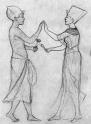
In nursing, mentoring is when a more experienced nurse (mentor) engages in activities to support, befriend and empower a less experienced nurse (prot�g�) in gaining an expert status and career direction. Mentoring is usually a long-term relationship involving commitment from both mentors and prot�g�s. Roles and Functions of Mentors Role transition, whether from new graduate to staff nurse or from competent professional to inexperienced beginner, is considered one of the most stressful times in a nurse�s career. This stage is characterized by sense of disorientation, foreignness and sensory overload. These nurses need their colleagues to share their experience and knowledge, to believe in their potential and to instil them with hope. These kinds of support and affirmation are crucial to the successful transition of any new nurses into their new role.
Some literatures suggest that mentoring functions include assessing and reviewing progress, supervising performance, and planning patient assignment for targeted learning experience. But some will argue that these are the role of a preceptor In fact, the role of mentors often encompasses and is a continuation of that of preceptors. They share some similar functions but differ in their focuses and the nature of their relationship. Mentors focus on supporting and empowering through relationship building, while preceptors focus on skills and knowledge building through teaching and supervision. Mentor relationship is a long term, personal, reciprocal relationship marked by substantial emotional commitment by both parties, with the outcome of personal and professional growth and satisfaction in both parties; preceptorship is usually a short-term less intense relationship with the goal of preparing students and new nurses for competent practice. |