Tobacco smoke is made up of more than 7,000 chemicals, including over 70 known to
cause cancer (carcinogens). Some of these substances cause heart and lung diseases, too,
and all of them can be deadly.
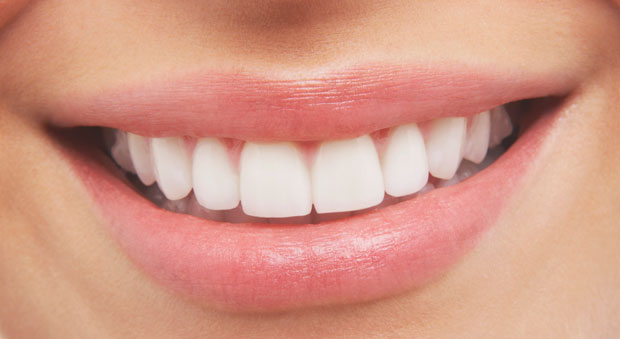
Whiter Teeth
Tar can be blamed for the residual buildup in a smoker's mouth, airway and lungs. As this resin builds up in a smoker's body, it causes normal, healthy tissue to breakdown over time. It is highly poisonous and, when combined with nicotine,
the greatest factor of why smoking causes yellow teeth.
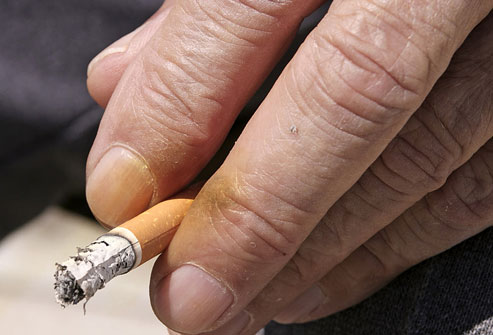
No More Yellow Stains
Nicotine in cigarettes that stains the fingers and teeth yellow.
Nicotine is absorbed through the skin and the mucosal lining of the mouth and nose.
It is also absorbed when you inhale smoke into your lungs.
No More Smoker's Breath
The most immediate way that cigarettes cause bad breath is by leaving
smoke particles in the throat and lungs. This effect is typical of nearly any tobacco product
that involves inhaling smoke or rolling it around in the mouth. The smell of a freshly smoked
cigarette can linger in the lungs for hours, hence the stale scent associated with smoker's breath.
Better Stamina
To achieve peak performance, your heart, lungs and muscles need oxygen-rich blood.
When you inhale tobacco smoke, carbon monoxide binds to red blood cells,
displacing oxygen which prevents its delivery to the muscles and other body tissues.
This causes an increase in lactic acid.
This decrease in oxygen will reduce your physical endurance, making it more
difficult for you not only to do well in sports but also to do everyday things,
such as walking up stairs. This decrease in oxygenation causes a smoker’s resting
heart rate to be higher than a non-smoker’s, as the heart must
work harder to deliver adequate oxygen to the body.