|
To be a good tattooist you must have skill, research, and be educated to the needs of others. The art of tattoo can not be learned from a book. It must be passed down from the master artist to his apprentice. An apprenticeship will generally cost about $1500 for
six months of instruction. The instruction will be both oral and written, and will allow the apprentice to use inks, tattoo machines and,
eventually, tattoo people. A tattoo machine is compared to a dental drill- it weighs six to eight ounces, is stainless steel, and fits in
the palm of the artist's hand. The tattoo machine makes one thousand to three thousand punctures per minute into a person's skin.
To judge the work of your tattooist, there should always be a photographic portfolio of the tattooist�s work over the years.
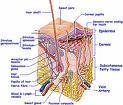
The way a tattoo works is that the colored pigments are placed between the permanent base layer of the skin and the changing top
layer. The pigment bonds to the skin cells, becoming visible through the top translucent and ever-changing skin layer. Thin, fine skin
is said to be the easiest to work on, whereas thick skin takes longer to put the pigment in and also takes longer to heal. Repeatedly
tanned skin is leathery and hard, and acts much the same way thick skin does when it is tattooed.
When observing Tom Ball of Tatunka Tattoo, the actual procedure of tattooing was made clear to me. The artist will first make a carbon copy of the design and blow it up or shrink it to fit the proportions of the area to be tattooed. After finalizing the design, the artist cleans the area to be tattooed with alcohol and
bacitracin. He will then coat the area with a sticky ointment and place the carbon outline of the design onto the skin, showing it to the client to approve. After this, he will set out all of his equipment that has been either autoclaved or is disposable.
When you are both ready to begin, he will start the outline with an outliner, which is composed of three to five needles. This is the most painful part of the procedure. There will be short pauses during the procedure for the tattooist to put more ink onto the needles
or to spray the area with water to remove the excess ink. Once the outline is finished, the coloring and the shading will be done with
a shader. The shader is composed of five to thirteen flat needles or five to seven round needles. When the tattoo is finished the
artist will spray the area with alcohol and wipe off all excess ink, then touch up the spotty areas. The tattoo will be bandaged with
either gauze or cellophane to keep the area moist.
The bandage is to be removed within one hour, and the tattoo should be washed with soap and water, as well as alcohol. Healing ointment such as A&D or Neosporin should be applied four to five times daily for ten days. The new tattoo should be kept out of the
sun and out of water that is salty or chlorinated. The artist will perform a free touch-up on the tattoo if requested.
|