|
Moles are spots on the skin. Nearly everyone has 10 to 50 moles
on their body. Actually, you are born with moles that are flesh colored. Through
time moles enlarge and darken making them more noticeable. Moles are often
referred to as beauty marks and at various times in history moles on the face
have been considered attractive and were created artificially with dyes or
makeup. Others find moles unsightly and have the moles removed for cosmetic
purposes or concern that the moles might become cancerous.
A single mole is called 'nevus' and
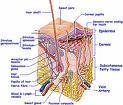
multiple moles are called 'nevi'. Moles occur when skin cells called
melanocytes grow in clusters instead of being spread throughout the
skin.
Melanocytes make the pigment that gives skin its
natural color. This pigment darkens under ultraviolet light from the sun or
tanning beds and creates a tan. In many cultures the tan look connotes being
healthy, but scientific research is changing that perspective. Recent scientific
studies point to overexposure to UV light as a contributing factor to skin
cancers. One of the most virulent types of skin cancer is melanoma.
Melanoma begins in meloncytes cells. It can begin on a new site on the skin, but
frequently begins in moles where the meloncyte cells cluster.
Normal moles or nevi have the following
characteristics:
- They range in color from pink, light
to dark browns and even to black.
- Their shape can be round or oval.
- Their size can range from barely
visible to quite large areas.
- They may form a raised bump on the
skin or they may be flat
- They may or may not have hairs.

How to Treat?:
Moles can be treated and removed in numerous
ways; removed with surgery, cryosurgery, removed
with acids, removed by lasers, and removed by herbal products (BIO-T). Below you
will find a short description of the procedures.
- Surgery. A physician removed the tissue with
a scalpel and sutures the wound closed. Frequently, surrounding tissue is
destroyed as well. Pain is associated with this procedure and pain killers are
prescribed frequently to alleviate the pain. Some scarring is possible.
- Electro-surgery. A physician shaves the mole
with a scalpel then destroys the tissue below the surface with an electric
needle. If the wounds size warrants it, the wound is sutured closed. some
scarring possible.
- Cryosurgery. A physician uses liquid nitrogen
to destroy the tissue. This procedure can destroy surrounding tissue as well
and can cause scarring. Some pain is associated with this procedure.
- Laser surgery. A physician uses a special
laser to destroy the nevi tissue. This procedure minimizes destruction of
surrounding tissue. Some scarring is possible.
- Acids. Some over- the- counter and
prescription products contain acids that destroy the nevi tissue. This
procedure is lengthy (up to six weeks) and is non-selective, meaning that it
destroys all tissue it comes into contact with. Highest potential for
scarring.
- Herbal. BIO-T is applied to the mole as a
paste and covered with a band-aid. Within 5 or 6 days (after 2 or more daily
applications) the mole is destroyed. Some scaring is possible, but can be
minimized with application of a moisturizing creame AFTER the mole is gone.
BIO-T has a pH of 5.5 and is neither acidic or alkaline and does not
effect healthy tissue
|