INDONESIA FLORA & FAUNA
"unique varieties of tropical plants, high level of biodiversity due to its vast-size and tropical archipelago make-up"
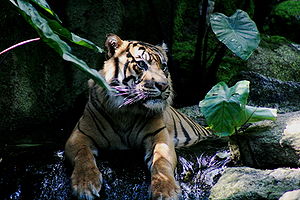
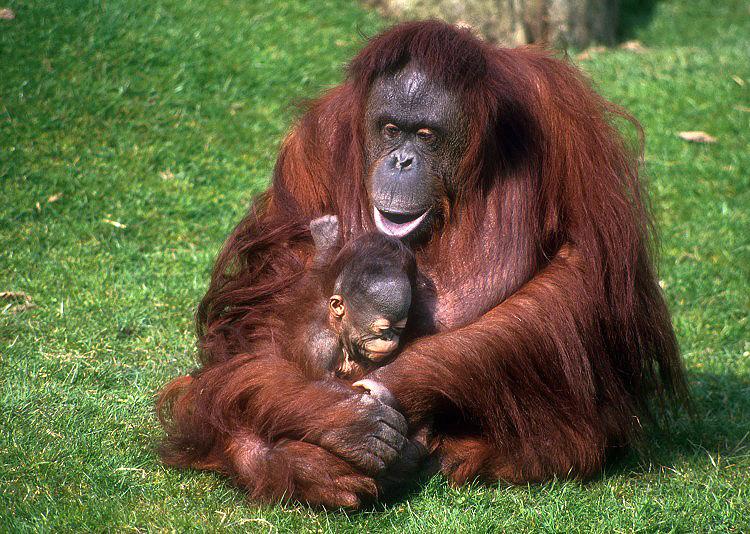
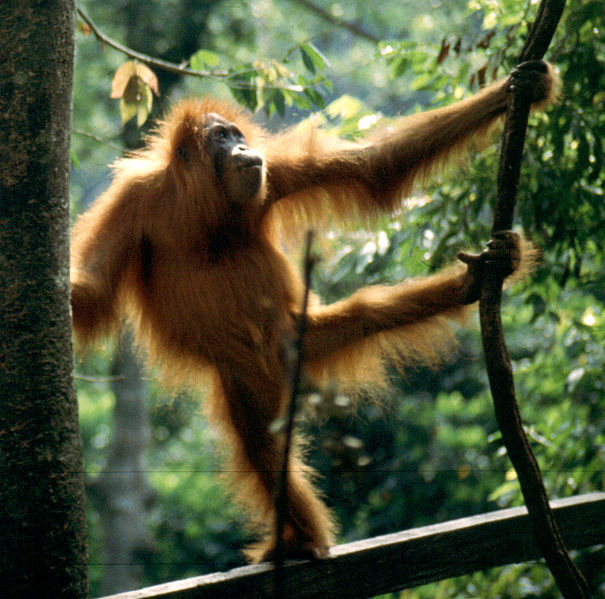
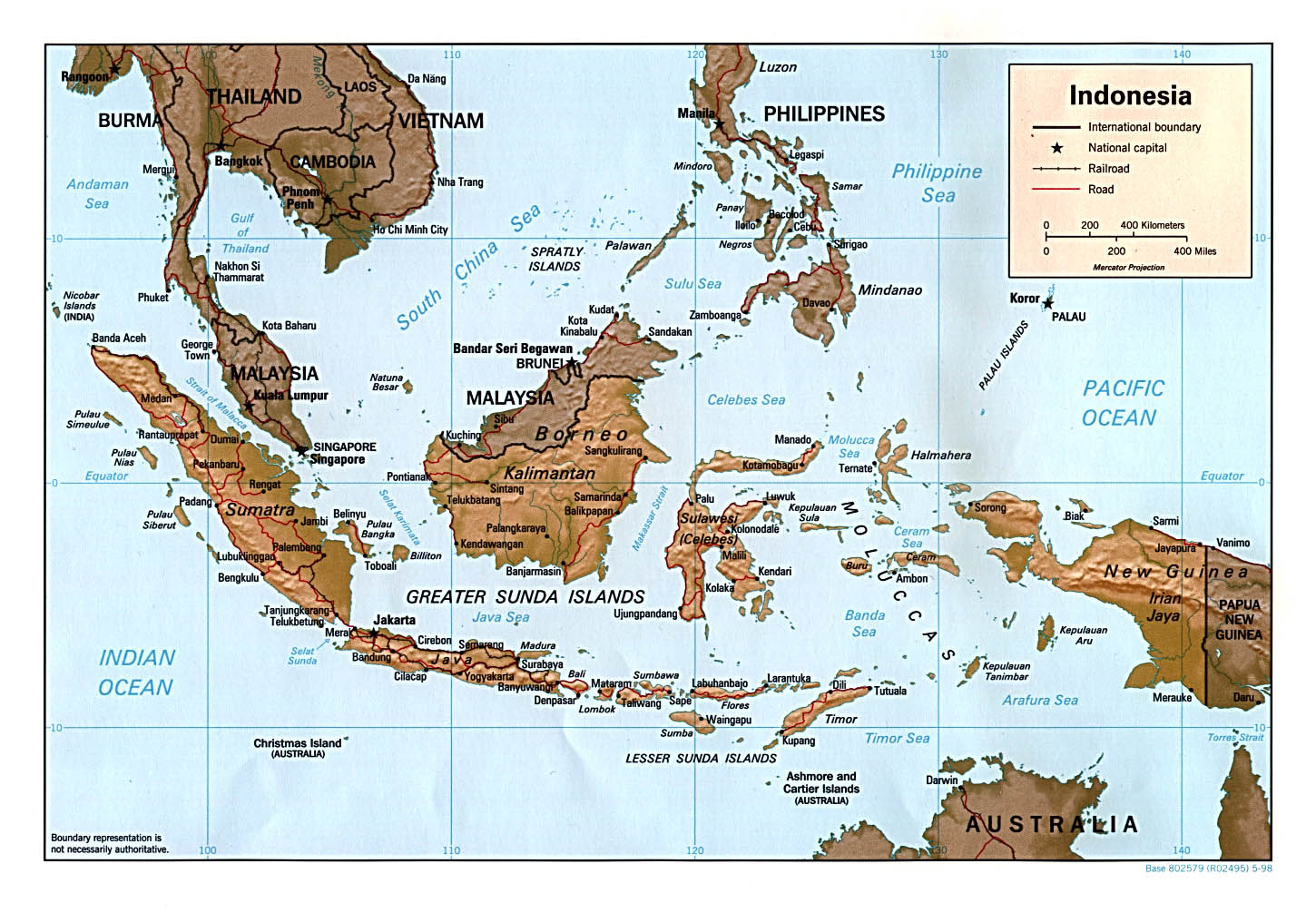
Indonesia's size, tropical climate, and archipelagic geography, support the world's second highest level of biodiversity (after Brazil), and its flora and fauna is a mixture of Asian and Australasian species. The islands of the Sunda Shelf (Sumatra, Java, Borneo, and Bali) were once linked to the Asian mainland, and have a wealth of Asian fauna. Large species such as the tiger, rhinoceror, orangutan, elephant, and leopard, were once abundant as far east as Bali, but numbers and distribution have dwindled drastically. Forests cover approximately 60% of the country. In Sumatra and Kalimantan, these are predominantly of Asian species. However, the forests of the smaller, and more densely populated Java, have largely been removed for human habitation and agriculture. Sulawesi, Nusa Tenggara, and Maluku—having been long separated from the continental landmasses—have developed their own unique flora and fauna. Papua was part of the Australian landmass, and is home to a unique fauna and flora closely related to that of Australia, including over 600 bird species.
Indonesia is second only to Australia in terms of total endemic species, with 36% of its 1,531 species of bird and 39% of its 515 species of mammal being endemic. Indonesia's 80,000 kilometers (50,000 mi) of coastline are surrounded by tropical seas that contribute to the country's high level of biodiversity. Indonesia has a range of sea and coastal ecosystems, including beaches, sand dunes, estuaries, mangroves,coral reefs, sea grass beds, coastal mudflats, tidal flats, algal beds, and small island ecosystems. Indonesia is one of Coral Triangles countries with the world's greatest diversity of coral reef fish with more than 1,650 species in eastern Indonesia only. The British naturalist, Alfred Wallace, described a dividing line between the distribution and peace of Indonesia's Asian and Australasian species. Known as the Wallace Line, it runs roughly north-south along the edge of the Sunda Shelf, between Kalimantan and Sulawesi, and along the deep Lombok Strait, between Lombok and Bali. West of the line the flora and fauna are more Asian; moving east from Lombok, they are increasingly Australian. In his 1869 book, The Malay Archipelago, Wallace described numerous species unique to the area. The region of islands between his line and New Guinea is now termed Wallacea.
Chat With Us
INDONESIA
Indonesia's high population and rapid industrialization present serious environmental issues, which are often given a lower priority due to high poverty levels and weak, under-resourced governance. Issues include large-scale deforestation (much of it illegal) and related wildfires causing heavy smog over parts of western Indonesia, Malaysia and Singapore; over-exploitation of marine resources; and environmental problems associated with rapid urbanization and economic development, including air pollution, traffic congestion, garbage management, and reliable water and waste water services. Deforestation and the destruction of peatlands make Indonesia the world's third largest emitter of greenhouse gases. Habitat destruction threatens the survival of indigenous and endemic species, including 140 species of mamals identified by the Wold Conversation Union (IUCN) as threatened, and 15 identified as critically endangered, including the Sumatran Orangutan.
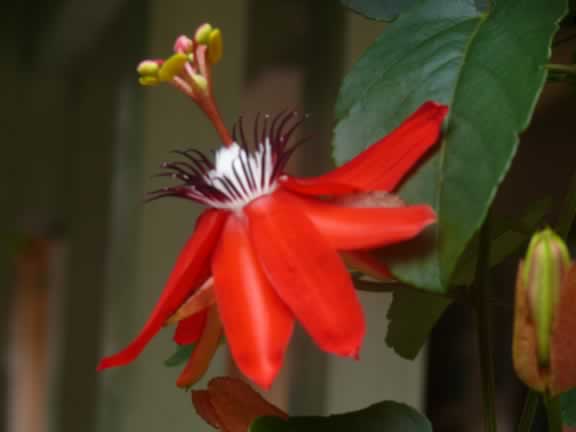
Melati (Jasminum sambac) is the national flower of Indonesia, together with Anggrek Bulan (Phalaenopsis amabilis) and Padma Raksasa Rafflesia (Rafflesia arnoldii). All three were chosen on World Environment Day in 1990. On the other occasion Bunga Bangkai (Titan arum) was also added as puspa langka together with Rafflesia. Each of Indonesian provinces also have their own floral emblems.
Chat With Us