











 |
| Should the death penalty be reinstated? |

Afrofusion: dance in South Africa
In one field especially, the new freedoms of post-apartheid South Africa have brought new life - dance has became a prime means of artistic expression, with dance companies expanding and exploring new territory.
Conceptual art of the '90s
Conceptual art in South Africa - which had had significant though muted beginnings in earlier decades - seemed to come into its own in the 1990s. Events such as the two Johannesburg Biennales (1995 and 1997, then discontinued) contributed to a new dialogue between South African artists and currents from other countries. Media such as video, performance and installation took the place of painting.
Emerging black artists
Black artists such as Gerard Sekoto and George Pemba had less interest in exploring the formal complexities thrown up by European-influenced modernism. Instead they concentrated on depicting their realities and environments in a direct, though forcefully expressionist, manner.
From bubblegum to kwaito
While white rockers expressed their angst to largely white audiences during the 1980s, the black townships were held in thrall by what came to be called "bubblegum" - bright, light dance pop influenced by American disco as much as by the heritage of mbaqanga.
Pop, rock & cultural crossover
From the 1960s onward, more and more white rockers and pop groups appeared to appeal to white audiences in a segregated South Africa.
South African music
The story of South African music is one of dialogue with imported forms, and varying degrees of hybridisation over the years.
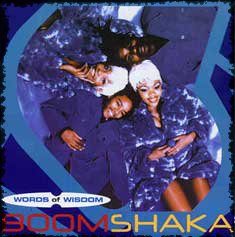
Boom Shaka's 'It's About Time' swept the charts
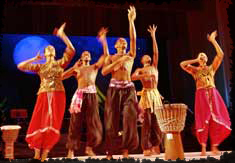
Dance has finally become respectable, with a number of home-grown productions wowing audiences in SA and abroad
SA bids for Square Kilometre Array
South African scientists have submitted a bid to host the Square Kilometre Array (SKA), an enormous radio telescope.......