| Site de Língu@ Ingles@ |
|
|
Vegetables & Cia. |
|
|
|
|
|
|
|
|
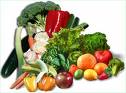
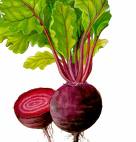
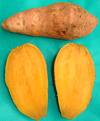
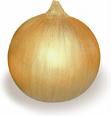
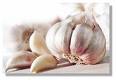
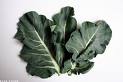
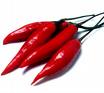
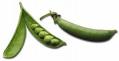
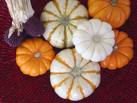
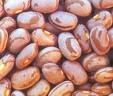
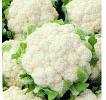
| squash | lettuce | beet | yams | spinach | onion |
|
|
|
|
|
|
|
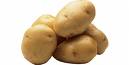
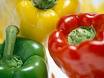
| potato | brocole | garlic | cabbage | pepper | peas |
|
|
|
|
|
|
|
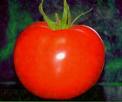
| pumpkin | beans | pepper | tomato | cauliflower | corn |
| Agora vamos conferir a pronúncia das palavras em... http://www.zapenglish.com/pt/vocabulario-comidavegetais.htm
|
|||||
|
|
Work: Crosswords - Vegetables. Home/aluno/Tania/Atividades hot potatoes/vegies/jcrossvegetais Complete with the vocabulary above. |
|
One more reason to eat your fruit and vegetables |
| If you're worried about prostate
cancer, it might pay to eat an apple a day. Or an onion. Researchers at
the Mayo Clinic in Rochester, Minn., report that a natural substance
called Quercetin significantly reduced the ability of prostate tumor
cells to absorb the hormone they need to develop and proliferate.
Quercetin is found in apples, onions, leafy vegetables, green and black
tea. beans and red wine.
Quercetin hasn't been tested in humans patients. But it has two advantages as a potential treatment: it is abundant and safe. (Adapted from Exames Supletivos 2006/SE/RS. Article in Business Week, April 9, 2001. p. 108) |

|
Text comprehension: |
| Questão 1. Pode-se dizer que a intenção principal do texto é |
| a) Apresentar um relato de pesquisa preliminar sobre a prevenção ao câncer de próstata.. |
| b) Incentivar a ingestão de frutas e legumes no combate à célula cancerosa. |
| c) Discutir uma pesquisa sobre células cancerosas. |
| d) Relatar uma pesquisa sobre a mortalidade provocada por células cancerosas. |
| Questão 2. Segundo o texto, o estudo revela que a substância quercetina |
| a) é encontrada em ratos de laboratório que desenvolveram a doença. |
| b) pode ser encontrada em em células cancerosas cultivadas em laboratórios. |
| c) reduz a absorção dos hormônios masculinos pelas células cancerosas da próstata. |
| d) desenvolve-se tanto em pacientes humanos quanto em ratos. |
|
|
|
|
|
|
|
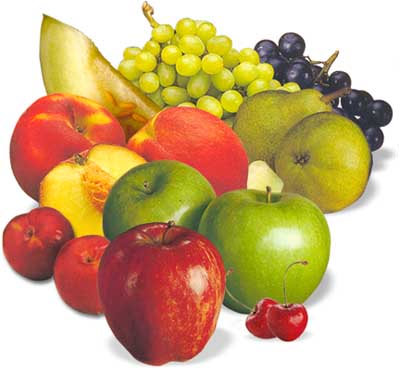
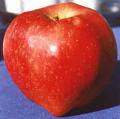
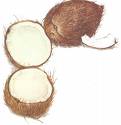
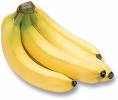
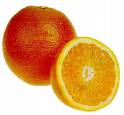
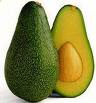
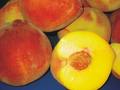
| apple | coconut | banana | orange | avocado | peach |
|
|
|
|
|
 |
|
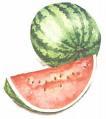
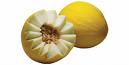
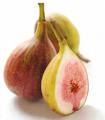
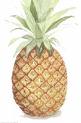
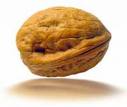
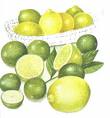
| watermelon | melon | fig | pineapple | lemon | nut |
|
|
|
|
|
|
|
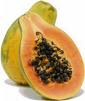
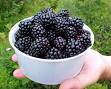
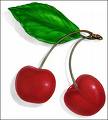
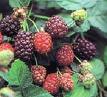
| papaya | mango | blackberry | grapefruit | cherry | blueberry |
|
|
|
|
|
|
|
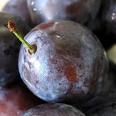
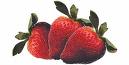
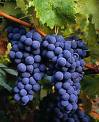
| plum | tangerine | passionfruit | raspberry | strawberry | grapes |
| (Images from http://images.google.com.br) Vamos conferir a pronúncia das palavras em ... http://www.zapenglish.com/pt/vocabulario-comidafrutas.htm
|
| Anti - oxidants |
| Some anti-oxidants are Vitamin C, selenium, chromium, zinc and magnesium. |
| Fruit and vegetables provide many of these anti-oxidants, and they work by absorbing the "free radicals" that attacks our immune system, interfering with the DNA and RNA synthesis. |
| They are still found in form of supplements that makes their use easier. |
| According to the text, which of the following alternative(s) is(are) anti-oxidants? |
| a) Vitamin C. |
| b) Selenium. |
| c) Zinc. |
| d) Magnesium. |
| e) Fruits. |
| f) Vegetables. |
| The power of fruits and vegetables |
| Fruits and vegetables provide vitamins, minerals and fiber that your body needs. They're also |
| packed with natural substances that work as a team to protect good health. |
| Here just a few examples of these natural substances found in various fruits and vegetables. |
| Carotenoids - from red and yellow-orange fruits and vegetables.(Tomato, sweet potato,carrot). |
| Lycopene - in tomato-based foods(tomato sauce, tomato paste). |
| Lutein and zeaxanthin - in leafy greens(spinach, romaine lettuce). |
| Flavonoids - in brightly coloured fruits and vegetables(blueberries, cherries, strawberries). |
| A diet rich in fruit and vegetable and low in fat is associated with reduced risk of diseases like high |
| blood pressure, stroke, cancer, diabetes, and heart diseases. |
| (From Puzzles, Coquetel,Crosswords, nº 5, pág. 18. Ediouro) |
|
| Let's do
activities about the text above and fruits.
|
| Go to home/tania/atividadeshotpotatoes/fruit
|